
 Caleb Turner
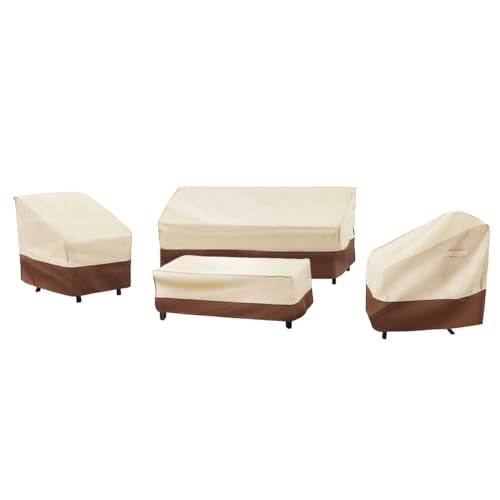
First, gather materials like tarps or plastic sheeting to shield your pieces from snow and moisture. Protecting surfaces with these coverings minimizes the risk of water damage and deterioration caused by freezing temperatures.
Next, disassemble any modular items if applicable. Removing cushions and smaller components not only conserves space but also ensures that these elements won’t be misplaced or damaged during the harsh conditions.

For those robust items constructed from metal or wood, applying a protective sealant can be a game plan. This step enhances durability and prolongs the lifespan of these essential pieces, making them ready for use come spring.
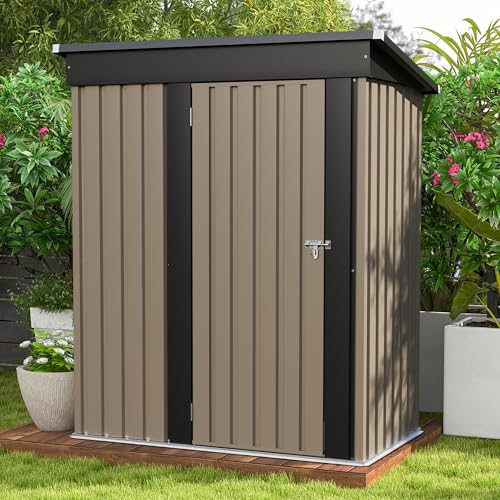
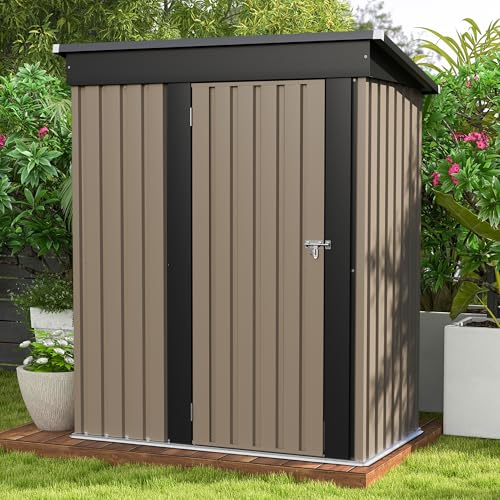
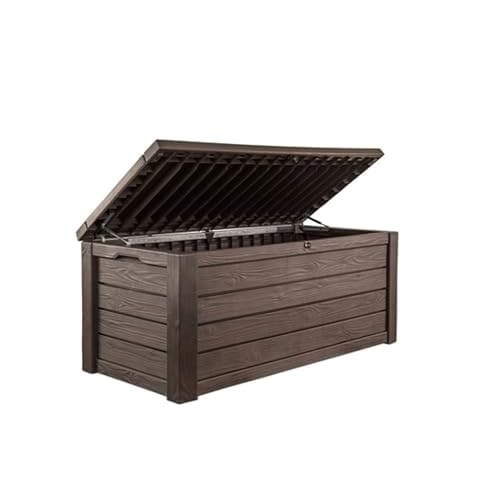
Lastly, consider storing these belongings in a garage or shed. If indoor space is limited, stacking items and utilizing vertical storage can greatly optimize your arrangement, preventing potential hazards during heavy snowfall.
Storing Patio Equipment During Cold Months
Begin with a thorough cleaning to remove dirt, debris, and potential stains. Use a mild soap solution and a soft cloth or sponge for most materials. Rinse well and ensure everything dries completely to prevent moisture retention.
Choose a Suitable Environment
Ideal conditions for storage include a dry, sheltered space like a garage, shed, or basement. Aim for a location that remains above freezing temperatures but is protected from direct moisture sources.
Protection Methods
- Use covers specifically designed for the type of items being preserved. These should be breathable to avoid condensation buildup.
- Consider stacking lightweight pieces to save space. Secure with straps or ropes to prevent shifting.
- If possible, disassemble larger units to make them more manageable and decrease the likelihood of damage.
- For items made from natural materials, such as wood, apply a protective sealant to enhance durability against humidity changes.
Regular inspections during the off-season can help catch potential issues before they worsen. This proactive approach extends the lifespan of your outdoor assets significantly.
Determine the Right Time to Store Your Furniture
I recommend watching the weather closely as temperatures begin to drop. Look for consistent forecasts where nighttime temperatures consistently fall below 50°F (10°C). This is generally a good indicator that it’s time to prepare for moving your seating arrangements and tables indoors.
Pay attention to local climate patterns. In regions prone to early snowfalls or heavy rain, consider moving your items earlier to prevent damage. Here’s a simple checklist to assist in determining the optimal time:
| Indicator | Action |
|---|---|
| Nighttime temperatures below 50°F (10°C) | Start preparation for moving items indoors. |
| First forecast of frost | Take immediate action to relocate to a sheltered area. |
| Consistent precipitation predicted | Secure items inside to avoid water damage. |
Monitor Seasonal Changes
I also keep an eye on the changing seasons. As fall transitions into winter, trees shed leaves, and humidity levels drop. This is often the point when I start evaluating the condition of my exterior seating. If I notice excessive debris or moisture settling, that’s my signal to act swiftly.
Lastly, consider your own local timeline. If you’re in a warmer area where temperatures can fluctuate significantly, plan to check in on your collection regularly. Flexibility will ensure the longevity of your outdoor items.
Clean Your Furniture Before Storing
I always begin with a thorough cleaning of my items to ensure they’re ready for hibernation. For this, I grab mild soap and warm water, using a soft cloth or sponge to wipe down all surfaces. It’s vital to remove dirt, grime, and any potential stains that could become permanent over time.
Pay Attention to Materials
For metal frames, I mix a solution of water and vinegar to tackle stubborn rust spots. For wooden pieces, a gentle wood cleaner helps preserve the finish while protecting against moisture damage. Make sure to dry everything completely with a clean towel to prevent mildew and mold growth.
Check for Damage
During the cleaning process, I inspect for any minor damages such as scratches or loose screws. Fixing these issues now can prevent them from worsening during the off-season. I keep a small toolbox handy for quick repairs, ensuring that everything remains in good shape for the next use.
Choose the Right Storage Location
Select a dry, well-ventilated area to prevent moisture buildup, which can lead to rust and mold. A garage, shed, or basement works well, but avoid damp spaces. If using a shed, ensure it is adequately weatherproofed.
Consider temperature fluctuations. A heated space is ideal, especially for materials like wood and metal. If that’s not possible, create insulation by placing items off the ground with pallets or similar materials to reduce exposure to cold.
Accessibility matters. Choose a location that allows for easy retrieval in the spring. Keep frequently used items toward the front, ensuring they’re easily reachable. This saves time and hassle when the season changes.
If you opt for an outdoor cover, ensure it is secured against wind and moisture. Avoid placing your belongings directly on the ground as this can attract pests and lead to degradation.
Use Protective Covers for Your Furniture
Protective covers are a practical investment for safeguarding your seating and tables against harsh elements. Ensure the covers are specifically designed for outdoor items and made from durable, waterproof materials. Look for breathable options to prevent mold and mildew build-up.
It’s crucial to choose the right size so that the cover fits snugly, reducing the risk of wind displacing it. Additionally, consider covers with straps or tie-downs for added security.
For easy access and convenience, I prefer covers that can be removed and put on quickly. This way, I can maintain the cleanliness and appearance of my belongings without hassle.
Always inspect the covers periodically throughout the cold months. Check for wear and tear or any accumulated debris that could damage the surface of the items beneath. Replacement might be necessary if they begin to deteriorate.
Using protective coverings not only extends the lifespan of my items but also saves time and effort in cleaning and prepping them for the next season. This practice alone makes my outdoor space more enjoyable year-round, with reduced maintenance needs when warmer weather returns.
Disassemble Furniture if Possible
Taking apart your seating and tables can significantly reduce the space they occupy, making them easier to protect during harsh conditions.
Start with simple items like chairs and small tables. Remove any detachable parts, such as legs or cushions, ensuring all pieces are securely stored together to avoid loss.
Label Everything
Clearly labeling screws, bolts, and separate sections will make reassembly a breeze come springtime. Use zip-lock bags for small items and attach them to the corresponding part to keep everything organized.
Follow Manufacturer Instructions
If available, consult the manufacturer’s guidelines for disassembly procedures. They often provide specific steps to prevent damage to the materials, ensuring longevity of your outdoor decor.
Ultimately, breaking down larger items not only saves space but also minimizes exposure to the elements, preserving the quality and integrity of your furnishings.
Avoid Humidity and Moisture Damage
Choosing a dry, well-ventilated area for your pieces significantly reduces the risk of moisture-related harm. Ensure that the chosen spot is away from direct contact with wet surfaces. Using pallets or platforms to elevate items off the ground can further protect them from moisture accumulation.
Use Desiccants
Placing desiccant packets, such as silica gel, around the items absorbs excess humidity in the air. This helps maintain a drier environment, reducing the chances of mold and mildew formation.
Monitor Airflow
Ensuring adequate airflow around your items prevents stagnant moisture. Avoid tightly packed storage solutions. Instead, allow space between pieces to enhance air circulation, which is crucial for keeping everything dry.
Store Cushions and Fabrics Properly
Before placing cushions and other fabric items away, I ensure they are clean and completely dry. I remove any dirt, debris, or stains using a mild detergent and water. For stubborn spots, a soft brush works wonders. Once clean, I let them air dry thoroughly to prevent mold and mildew during storage.
Next, I fold the cushions neatly. I avoid compressing them too tightly to maintain their shape. Using cloth bags or storage bins is my preferred method, as they protect against dust and critters. If I have multiple items, I label each bag or bin, making it easier to find everything in the spring. I also include a few silica gel packs in each container to absorb any excess moisture, adding another layer of protection.
Use a Climate-Controlled Space
Choosing a cool, dry location is vital. I steer clear of attics or basements with humidity, opting instead for a climate-controlled area like a garage or storage shed with proper ventilation. This helps prevent any damage and keeps the fabrics in prime condition for their next use.
Regular Checks
I check on the cushions periodically during the off-season. A quick inspection helps me catch any potential issues early, allowing for prompt action. If condensation builds up or signs of moisture appear, I adjust the storage environment immediately.
Inspect for Damage Before Storage
Before placing items away for the season, I carefully examine each piece for any signs of wear or damage. Identifying issues early helps prevent them from worsening.
- Check for rust on metal frames; if found, treat with rust-inhibiting spray.
- Examine wooden surfaces for cracks or peeling paint; consider sanding and applying sealant as needed.
- Inspect wicker weaves for fraying or breakage; repair any loose strands with appropriate adhesive.
- Look for tears or stains in cushions; wash removable covers and patch any damage to prolong their lifespan.
Taking these steps ensures that everything remains in optimal condition until next use, avoiding costly repairs later.
Organize Your Storage Space for Easy Access
I recommend creating designated zones in your storage area. Use shelving units to keep smaller items collected and easily retrievable. Label each shelf or bin clearly for quick identification, ensuring that all components are within reach when needed.
Utilize Vertical Space
Maximize vertical storage by using wall-mounted hooks or pegboards. Hang lighter items like chairs or tables off the ground to save space. This method prevents clutter and allows for better airflow, helping to prevent moisture buildup.
Group Similar Items Together
Sort your belongings by type, such as all cushions in one section and all frames in another. This organization streamlines the process of locating what you need quickly. Additionally, store items used together in close proximity to make setup easier in the spring.
FAQ:
What are the recommended steps to prepare outdoor patio furniture for winter storage?
To prepare your outdoor patio furniture for winter storage, begin by cleaning each piece thoroughly. Use mild soap and water to remove dirt, grime, and any mold. Let the furniture dry completely to prevent moisture buildup, which can lead to rust or mold. If your furniture has cushions, make sure to clean and dry them as well. Next, disassemble any furniture that can be broken down, such as folding chairs or tables with removable legs, which will save space during storage. For metal furniture, consider applying a protective coating to avoid rust, while wooden furniture may benefit from a wood conditioner to prevent cracks and splitting.
Is it necessary to use furniture covers for outdoor furniture during winter?
Using furniture covers is highly recommended for outdoor furniture during winter storage. Covers protect your furniture from dust, moisture, and temperature fluctuations, which can cause damage over time. When choosing covers, look for ones that are specifically designed for outdoor use, as these will be made from materials that resist water and UV rays. Ensure the covers fit snugly and securely to avoid them blowing away during windy conditions. However, if you have the space, storing furniture indoors is still the best way to keep it safe.
What materials of patio furniture require special care before winter storage?
Certain materials need special attention before winter storage. Wooden furniture should be treated with a wood protector to prevent cracking and moisture absorption. Metal furniture, particularly those made of aluminum or wrought iron, should be cleaned and possibly coated with a rust-inhibiting agent to prolong its life. Plastic furniture is generally more durable but should still be cleaned and stored in a dry location to avoid fading and brittleness. Wicker or rattan furniture should be kept in a dry place to prevent mold growth and deformation. Each material has its properties, so proper care varies accordingly.
How can I protect my patio furniture cushions during winter?
To protect your patio furniture cushions during winter, first, ensure they are clean and completely dry before storing them. Ideally, cushions should be brought indoors to prevent moisture accumulation and mildew growth. If indoor storage isn’t possible, consider using waterproof storage bins or bags to keep them safe from the elements. Another option is to stack the cushions in a dry, covered area, placing a tarp over them for additional protection. If possible, store the cushions in a place with stable temperatures to prevent damage from fluctuating weather conditions.
What should I consider if I plan to leave my patio furniture outside during winter?
If you decide to leave your patio furniture outside during winter, it’s crucial to consider a few factors. First, choose furniture made from materials that can withstand harsh weather, like teak or aluminum. Next, make sure to secure your furniture against strong winds, as heavy gusts can damage or relocate items. Consider using weighted covers to shield them from snow and ice. Additionally, regularly check your furniture throughout the winter to remove any debris that could accumulate and trap moisture. This will help maintain the furniture’s appearance and prolong its lifespan.
What are the best methods to store outdoor patio furniture during winter?
The best methods for storing outdoor patio furniture during winter include cleaning the furniture thoroughly before storage to remove dirt and grime, which can cause damage over time. If the furniture is made from wood, it’s advisable to apply a protective finish to prevent moisture absorption. Metal furniture should be treated with rust-resistant spray. After cleaning, store the furniture in a dry, covered area such as a garage, shed, or using furniture covers designed for winter protection. If storage space is limited, stackable furniture can be a great option, allowing you to save space without compromising the protection of your items.
How do I prepare my outdoor furniture for cold weather if I can’t bring it inside?
If bringing your outdoor furniture inside is not an option, there are several steps you can take to prepare it for cold weather. Start by cleaning all pieces to prevent mold and mildew growth. For metal furniture, apply a rust-resistant coating, and for wooden items, consider using oil or sealant to protect the surface. Cover all furniture with tarps or specialized outdoor furniture covers to shield them from snow and ice. Additionally, try to elevate the furniture off the ground using bricks or pallets to prevent moisture accumulation from the ground. Regular checks during winter can help you address any issues before they escalate, ensuring your furniture remains in good condition.


