
 Caleb Turner

To prolong the lifespan of your seat pads, invest in breathable storage bags specifically designed for garden accessories. These bags minimize moisture buildup while allowing air circulation, preventing mildew and odors.
Choosing a cool, dry spot, such as a garage or shed, is key. Avoid placing them in areas exposed to direct sunlight or high humidity, as these conditions can lead to fading and deterioration.
Occasionally, it’s beneficial to rotate the cushions during storage. This ensures even wear and helps maintain their shape over time. By following these straightforward practices, you can ensure your seat coverings remain fresh and inviting season after season.
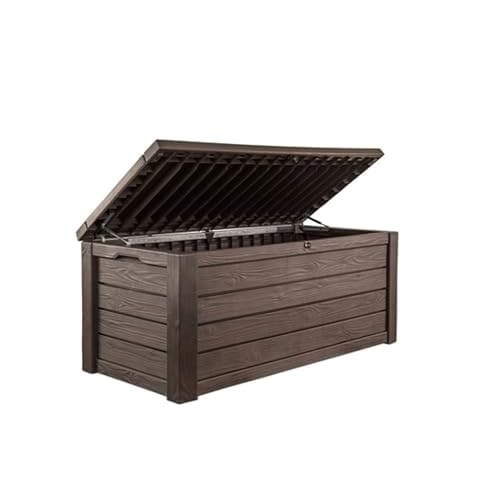


Optimal Ways to Secure Seating Accessories
I recommend using breathable storage bags designed for patio items. They effectively protect against moisture and pests. Ensure that the bags are made from UV-resistant material to prevent fading over time.
Consider stacking cushions on a sturdy shelf in a dry area. This avoids moisture accumulation at the bottom. If shelves are not available, placing them in a storage bin can work, too. Opt for bins with proper ventilation to keep air flowing.
Maintain a dry environment by utilizing silica gel packets in your storage solution. These absorb excess humidity and reduce the risk of mold growth. Regularly check and replace them as needed.
Before placing the accessories away, always clean them thoroughly. Use mild soap and water to remove dirt, and let them dry completely. This practice helps prevent stains and extends their lifespan.
Utilizing waterproof tarps can add an extra layer of protection if storing outside. Ensure that they are secured tightly to prevent wind from lifting them. This offers a secondary defense against rain and debris.
Lastly, consider organizing the items by size and color. This approach facilitates easier access when needed. Utilizing clear labels also simplifies identification, making it quick to find the specific accessory required.
Choose the Right Storage Location
First, opt for a shaded area. Direct sunlight can degrade materials over time, causing fading and deterioration. If possible, position the storage unit under a patio or in a garage.
Temperature Control
Avoid excessively hot or cold environments that could warp or degrade the materials. Aim for a location with a stable temperature. If you’re using a shed, ensure it’s well-ventilated to prevent moisture buildup.
Accessibility
Choose a location that’s easy to access. This makes retrieval quicker when you want to make your seating arrangements. Utilize vertical space in a shed or garage with shelving to maximize room for other items.
| Storage Location | Pros | Cons |
|---|---|---|
| Garage | Safe from weather, temperature control | May be cluttered, limited space |
| Shed | Good for dedicated storage, easy access | Can get humid, potential pests |
| Under Deck | Utilizes unused space, shaded | Risk of moisture, insects |
By selecting the right environment, I can prolong the life of my seating accessories, keeping them looking fresh and inviting for the next gathering.
Clean Cushions Before Storage
I recommend thoroughly cleaning each piece prior to putting them away. Begin by vacuuming to remove dust and debris from all surfaces. For stubborn stains, a solution of mild soap and water applied with a soft cloth works wonders. Ensure to use a sponge or brush with gentle bristles to avoid damaging the fabric.
After spot cleaning, rinse the material with clean water and make sure all soap residue is eliminated. Air drying is preferable; lay them flat in a shaded area to prevent any direct sunlight from fading colors. Avoid using a dryer as heat can warp the shape and integrity of the padding.
Consider applying a fabric protector once the pieces are dry. This additional layer can help repel future stains and moisture, prolonging their lifespan. Once cleaned and dried, they will be ready for safe accumulation, free of dirt or allergens.
Use Protective Covers
Whenever I plan to keep my upholstery in top condition, investing in reliable protective covers becomes a priority. These covers serve as a shield against dust, moisture, and various outdoor elements, ensuring longevity and preserving aesthetics.
Here are some key points to consider:
- Choose breathable materials to prevent moisture accumulation, which can lead to mold and mildew.
- Ensure the size of the cover fits snugly; oversized covers can trap water and debris, while undersized ones will not provide adequate protection.
- Look for UV-resistant options to minimize fading from sun exposure.
- Check for secure fastening methods like straps or elastic hems to keep the cover in place during windy conditions.
After selecting the right cover, I make it a point to regularly inspect the condition of both the upholstery and the covers themselves. A quick check ensures that everything stays dry and damage-free, even during the harshest weather conditions.
Consider Vacuum Sealing for Space Saving
I recommend using vacuum sealing as a highly practical solution for maximizing storage space. By removing air from storage bags, I can significantly minimize volume, allowing for efficient use of storage areas.
Choosing the Right Bags
Select durable, heavy-duty vacuum bags designed to withstand outdoor conditions. Ensure that the sealing mechanism is reliable to prevent any air leaks over time.
Steps to Vacuum Seal
Prior to sealing, make sure to clean the items thoroughly. Once cleaned, fold them neatly to fit into the vacuum bags without overstuffing. Use a vacuum cleaner or a manual pump to extract air efficiently. After sealing, store the bags in a cool, dry place for optimal protection.
This method not only saves space but also enhances protection against moisture and pests, which can be detrimental to fabric integrity.
Store in a Dry and Ventilated Area
Selecting a space with good airflow and low humidity is crucial. High moisture can lead to mold and mildew, which are damaging to fabrics. I ensure that the location is not damp, such as basements or garages that are prone to moisture. A dry shed or a dedicated storage room is ideal.
If storing indoors, I open windows or use fans to promote ventilation. When possible, I create some distance between the items and walls or floors. This avoids contact with excess moisture that may be present in those areas, allowing air to circulate freely around the items.
In warmer climates, a shaded area, like a covered porch or shed, can help maintain a stable environment while keeping items protected from the elements. I also avoid areas with extreme temperature fluctuations, as these can affect the integrity of the materials.
Regularly checking the storage environment helps maintain its quality. I make it a habit to inspect for any signs of dampness or condensation, addressing issues immediately to safeguard the longevity of my prized pieces.
Organize Cushions by Size and Shape
I categorize each piece based on dimensions to optimize space and accessibility. Grouping by size allows me to stack smaller items within larger ones, creating an efficient storage solution. For instance, square and rectangular options can share containers, while round ones might require separate housing due to their unique shape.
Label each container or section clearly, indicating the contents. This helps in quickly identifying what I need without rummaging through boxes. Color-coded labels can further simplify the process, aligning with the hues of the respective items.
After grouping, I position the various sizes to maximize vertical space. Placing bulkier pieces at the bottom ensures stability, while lighter or more delicate items can sit atop. This hierarchy not only protects the integrity of the softer elements but also makes retrieval hassle-free.
If multiple pillows share similar dimensions but differ in pattern or fabric, creating subcategories can assist in maintaining order. Having an inventory or checklist of what’s stored can save time during setup and takedown, helping to keep everything organized year after year.
Avoid Direct Ground Contact
Using pallets or raised storage shelves keeps items off the ground, allowing airflow and preventing moisture accumulation. This simple step can significantly prolong the lifespan of fabric items.
When selecting a platform for elevation, consider materials that resist rot and deterioration:
- Woven plastic bins
- Metal shelving units
- Wooden pallets treated with sealant
Ensure that the chosen solution is stable and can support the weight of the bags without sagging. Refrain from placing items directly on concrete floors, which can retain humidity and contribute to mold growth.
Additionally, incorporating breathable barriers, such as canvas or mesh, between the items and the ground enhances airflow and further reduces the risk of dampness. This setup is especially useful in areas prone to moisture or heavy rainfall.
Utilize Storage Containers for Protection
Select robust and weather-resistant bins to safeguard your items during the off-season. Choose containers made from materials like heavy-duty plastic or metal, which offer durability and prevent moisture buildup. Ensure that lids fit snugly to keep pests and dirt at bay.
I recommend various sizes of containers to accommodate different shapes and dimensions. Consider investing in bins with ventilation holes to allow air circulation, reducing the risk of mold and mildew. Label each container clearly to simplify the retrieval process when it’s time to put them back.
If space is a constraint, opt for stackable options that maximize vertical storage. Utilizing shelves can also enhance organization, making it easier to access your items without rummaging through a pile.
For extra protection, add a moisture-absorbing desiccant packet inside each bin. This small addition can significantly extend the lifespan of your items by preventing dampness. After packing, place the containers in a designated area, ensuring they are off the ground to avoid contact with potential moisture.
Check Regularly for Mold or Mildew
I recommend inspecting the seating pads every few weeks during storage periods. Look for any signs of mold or mildew, which can thrive in the right conditions. If anything suspicious appears, act quickly to prevent further damage. Use a clean cloth and a solution of mild soap and water to gently scrub affected areas. Rinse thoroughly and allow the fabric to dry completely before placing it back in storage. Regular checks not only help maintain the quality but also extend the lifespan of your accessories.


