
 Caleb Turner
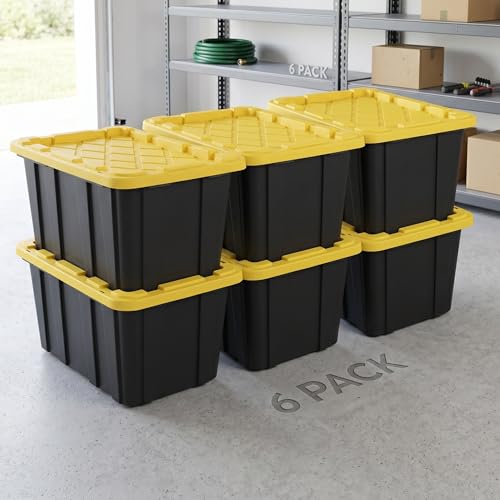
If you’re looking to maximize the available space, consider using shelving units to elevate items off the floor. This not only helps free up valuable space but also makes it easier to keep everything organized and accessible. I recommend adjustable shelves, as they allow for flexibility in accommodating objects of varying sizes.
Grouping similar pieces together is another effective strategy. For instance, categorize items based on their usage or type. By placing all outdoor gear in one area and indoor decorations in another, it becomes simpler to locate what you need without rummaging through disorganized piles.
Protecting your belongings from potential damage is crucial. Investing in covers or protective materials helps shield items from dust and moisture. Additionally, using plastic bins with lids can provide an extra layer of safeguarding against elements that may be present in the environment.
Lastly, keeping frequently used items within easy reach streamlines access. I find that creating a designated area for these pieces lowers the hassle of sorting through items, ensuring a quicker experience whenever I need to retrieve something. These practical strategies can significantly enhance how effectively I manage my stored possessions.


Organizing Items in a Storage Space
Utilize vertical space by installing sturdy shelves. Group similar pieces together and label boxes for quick identification. Applying this method maximizes efficiency and minimizes clutter, allowing for easy access when needed.
Protecting Surfaces
Prioritize minimizing damage by wrapping delicate components in bubble wrap or moving blankets. Use furniture sliders or blankets to prevent scratches on the floor when moving items around. This precaution preserves the quality of your possessions over time.
Climate Control
Ensure the environment remains consistent. If possible, maintain a stable temperature and humidity level to avoid warping or mold. Consider using dehumidifiers or heaters during extreme weather to safeguard your belongings.
Regularly inspect items for signs of damage or pest infestations. Staying proactive helps in maintaining the integrity of your possessions, ensuring they remain in good condition for future use.
Assessing Garage Space Before Storage
Begin by measuring the dimensions of the area you plan to utilize. This includes width, length, and height. Knowing the exact space available helps in strategizing the placement of items.
Creative organization is key. Identify any obstacles such as electrical panels, water heaters, or windows. These features will dictate how to utilize the remaining space efficiently.
Inventory Existing Items
Take stock of what is already in the vicinity. Discard or donate anything that’s no longer needed. This helps free up significant space for new items and avoids clutter.
Plan Layout
Sketch a basic layout of how everything will fit together. Consider stacking smaller pieces and keeping larger items toward the back or sides. Assign a specific zone for each item category to streamline access.
Choosing the Right Storage Containers
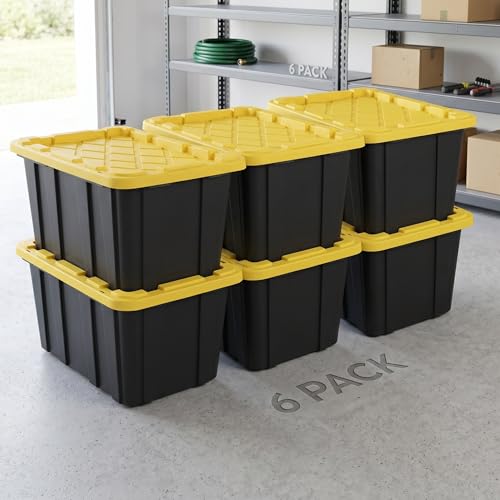
Opt for sturdy plastic bins to keep items safe from moisture and pests. They provide clear visibility of contents, allowing for easy identification without reopening. Select containers with airtight lids for additional protection.
Consider Size and Stackability
Choose varying sizes based on what needs to be housed:
- Smaller boxes for compact items, such as pillows or linens.
- Larger bins for bulky pieces like cushions or seasonal decor.
Ensure containers are stackable to maximize vertical space. This arrangement helps maintain order and accessibility.
Labeling for Easy Access
Implement a labeling system to streamline identification. This practice reduces time spent searching through multiple boxes. Use waterproof labels for durability:
- Write clear, concise descriptions of contents.
- Indicate priority items for quicker retrieval.
An organized labeling approach enhances efficiency, making future access straightforward.
Disassembling Furniture for Compact Storage
Remove any removable parts from items like tables and chairs. This significantly reduces their size and protects them from damage. For instance, take off legs from tables and chairs, and detach any shelves from cabinets.
Keep hardware organized. Use small bags or containers to store screws, bolts, and hinges. Label these bags clearly to avoid confusion during reassembly. I find that a simple zip-lock bag marked with the item name works well.
Utilize proper tools for disassembly. A basic toolkit with a screwdriver, wrench, and pliers should suffice for most pieces. Avoid forcing parts apart to prevent any injury or damage.
Take photos before disassembly. Documenting the original setup helps track how pieces fit together when I’m ready to reassemble them. This step eliminates guesswork and saves time later on.
When dismantling larger structures, like beds or bookshelves, follow the assembly instructions in reverse. This approach helps identify which parts can be easily removed and reduces the risk of breaking anything.
Store disassembled pieces flat or stacked in a designated area. Keep larger boards supported to prevent warping, and consider covering them with blankets or bubble wrap for extra protection.
Evaluate the space available after disassembling. I maximize storage by filling gaps and utilizing vertical space. Shelving units can also help organize small parts while providing room for larger items underneath.
Protecting Furniture from Moisture and Dust
I recommend investing in heavy-duty plastic sheeting or tarps to create a protective barrier against moisture. This material can help shield pieces from condensation, which is common in garages. Make sure to cover each item completely and secure it tightly to avoid exposure to humidity.
Humidity Control Solutions
Incorporating moisture absorbers such as silica gel packs or dehumidifiers in the storage area can significantly reduce humidity levels. Positioning a dehumidifier or placing absorbers strategically around items will help maintain a dry environment, preserving their integrity over time.
Sealing and Wrapping Techniques
Wrap wood surfaces in breathable fabric like cotton or use specialized furniture covers to minimize dust accumulation. Avoid using plastic wraps that trap moisture, as they can lead to mold growth. Ensure all items are clean before covering them, as any residues can promote deterioration. Regularly check on your pieces to ensure they’re well-protected and in good condition.
Organizing Furniture for Easy Access
To achieve quick accessibility, I categorize items based on their use and frequency. For instance, I place frequently used pieces, like chairs and small tables, toward the front. Seasonal or infrequently accessed items, such as outdoor furniture, go further back.
Utilizing vertical space is crucial. Shelving units or wall-mounted racks can hold smaller items like cushions or tools, saving floor space for larger items. I also use clear bins for storing smaller components, allowing visibility and ease in retrieving them.
I mark each container with labels that indicate the contents, making identification simple without opening every box. It’s also helpful to maintain a consistent organizational method, such as grouping items by type or room, ensuring everything has a designated spot.
As I rearrange, I aim to create pathways for easy maneuverability. This way, I can quickly access whatever I need without moving multiple pieces. If space allows, I use furniture sliders on heavier items for swift repositioning.
| Category | Placement | Storage Solution |
|---|---|---|
| Frequently Used | Front | Open racks or easy-to-reach areas |
| Seasonal | Back | Stackable bins or high shelves |
| Small Items | Vertical Space | Clear boxes or shelving units |
Regularly reassessing the arrangement keeps things functioning smoothly. Every few months, I review what I have, making adjustments as necessary to adapt to my changing needs. This proactive approach enhances both access and efficiency in my space.
Labeling and Inventory Management Techniques
For easy retrieval, I recommend using clear and descriptive labels on all containers. Include specifics like the contents and any relevant details such as dimensions or condition. Utilize a color-coding system to categorize items, which can simplify location identification.
Creating an Inventory List
I maintain an inventory list digitally or on paper. This should detail each item, its location, and notes on whether it’s stacked or stored in a specific container. I periodically update this list to ensure accuracy and avoid losing track of any pieces.
Utilizing Technology
Apps can assist in managing inventory. I opt for those that allow for photo uploads of each item, providing a visual reference. QR codes are also effective; scanning them can quickly display details about the item, enhancing organization.
Regularly review and rearrange items based on frequency of use. By keeping the inventory fresh, I enhance accessibility and ensure that neglected items are identified for potential sale or donation.
Maintaining Temperature Control in Your Garage
Insulating the space is a primary step I take to regulate temperature fluctuations. I install foam board insulation on the walls and ceiling, significantly reducing heat loss during cold months and keeping the area cooler in summer.
Investing in a good quality heater is another effective measure. A portable electric or propane heater helps to maintain a warm environment in winter, allowing me to preserve items sensitive to cold.
Air conditioning units are crucial in summer, so I typically opt for a window unit or a portable air conditioner to prevent excessive heat buildup.
I keep the garage well-ventilated to combat humidity. Installing exhaust fans or opening windows when the weather allows promotes airflow and helps mitigate moisture issues.
- Monitor humidity levels using a hygrometer to detect excess moisture.
- Consider a dehumidifier to maintain a consistent humidity level, protecting against mold and mildew.
- Seal any cracks or gaps in windows and doors to prevent outside air from affecting the internal climate.
Regularly checking the weather-stripping and insulation seals ensures no air leaks, thus maintaining the controlled environment efficiently.
Using thermal curtains over windows adds an extra layer of insulation while blocking direct sunlight during peak hours.
By implementing these methods, I achieve a stable climate within the storage area, creating an ideal environment for my belongings. Taking the time to control the temperature is a key factor in prolonging the lifespan of my possessions.


