Caleb Turner
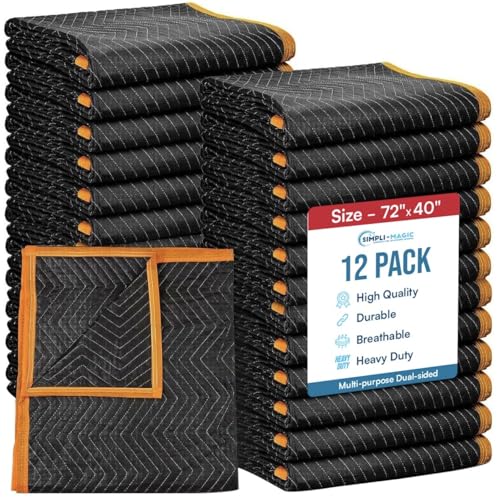
Acquire high-quality packing materials such as bubble wrap, cardboard boxes, and moving blankets. Carefully wrap each piece to avoid damage during transit. Investing in these supplies will save you from costly repairs later.
Choose a reliable carrier with a strong reputation for transporting large items. Ensure they offer tracking services, allowing you to monitor your belongings during transit. Obtain quotes from different companies to weigh your options effectively.
Disassemble items when possible. Removing legs from tables or separating components makes transportation easier and reduces the potential for damage. Keep all screws and parts organized in labeled bags for quick reassembly at the destination.
Consider insurance options for added protection against potential loss or damage. Many carriers provide coverage; review policies carefully and choose one that suits the value of the items being transported.
Communicate with the delivery team regarding timing and special instructions to facilitate a smooth transfer on arrival. Being proactive helps avoid misunderstandings and ensures your belongings reach their new home safely.


Utilize space efficiently by strategically loading larger items first, optimizing the available room in the transportation vehicle. This not only secures your items but also ensures a balanced load for safer travel.
Shipping Solutions for Large Items
Choose a reliable company that specializes in transporting large items. Research their customer reviews and ratings before making a decision. Get quotes from multiple providers to compare prices and services offered.
Preparation Steps
Disassemble pieces to save space and reduce the risk of damage. Use protective wrap or padding to secure delicate surfaces. Ensure that each component is labeled for easy assembly upon arrival.
- Gather essential packing materials: boxes, bubble wrap, tape, and blankets.
- Take measurements of each object to determine the best loading methods.
- Keep an inventory list for tracking purposes.
Transportation Options
Consider various transport methods based on budget and urgency.
- Freight Services: Ideal for bulky items, often more economical for long distances.
- Moving Companies: Provide comprehensive services, including loading and unloading, but may come at a higher cost.
- Rideshare or Peer-to-Peer Transport: Platforms may offer affordable solutions for non-professional transport.
Inspect the chosen carrier’s insurance policy to protect against potential damages during transit. Make sure to document the condition of your items before loading for reference.
Choosing the Right Shipping Method for Furniture
I recommend considering a few reliable options. For oversized or heavy items, a freight service is often the best choice. They can handle large volumes with specialized equipment, ensuring safe transport. Be sure to request quotes from multiple providers to compare rates and delivery times.
If time is a factor, express services may be beneficial, albeit at a higher cost. These services prioritize speed without compromising on care, helping you meet tight deadlines. However, confirm that the vendor has experience with delicate materials.
For smaller pieces, you might explore courier services. Many companies have tailored options for household goods, which can be convenient and cost-effective. Always check the insurance policies they offer; adequate coverage is vital in case of damages.
Consider also using a moving company when relocating items. They come equipped with adequate packing materials, ensuring protection during transit. It’s worth getting a detailed estimate, including any additional fees for packing and handling.
Lastly, don’t overlook DIY options. Renting a moving truck gives you complete control over the schedule and route. Just keep in mind the additional responsibilities, such as loading and unloading.
Preparing Items for Safe Transport
Disassemble large pieces whenever possible, removing legs, shelves, or any detachable components. This step minimizes bulk and aids in securing each item properly.
Utilize high-quality packing materials. I prefer bubble wrap for cushioning surfaces and corner protectors for fragile edges. Make sure to layer boxes with protective materials for added safety during transit.
Wrap each piece individually. For example, I wrap tabletops in multiple layers of bubble wrap, then follow up with blankets or moving pads to shield against scratches and impacts.
Secure all parts with strong packing tape. I recommend using multiple strips to ensure everything stays in place. Label each box with its contents for easy unpacking.
Consider climate control. If possible, transport sensitive materials, like wood, in climate-controlled vehicles to prevent warping or other damage caused by extreme temperatures.
Verify weight limits and dimensions. Check the transportation service’s regulations to avoid excess fees or complications during the move.
Place heavier items at the bottom and lighter ones on top in the vehicle or containers. This strategy helps maintain balance and reduces the risk of crushing smaller pieces during transit.
Finally, take photos of items before packing. Documenting their condition can be valuable for insurance purposes and provides a reference for any potential damage claims.
Finding Reliable Moving Companies and Services
To identify dependable movers, begin by seeking recommendations from friends or family who have used relocation services recently. Personal testimonials provide insight into the reliability and professionalism of potential candidates.
Conduct thorough online research. Use platforms like Google, Yelp, or Trustpilot to read reviews and assess ratings. Look for companies with consistently high ratings and positive feedback, particularly regarding punctuality and customer service.
Verify credentials. Ensure the moving service is licensed and insured. Check the Federal Motor Carrier Safety Administration (FMCSA) database for moving companies operating interstate. Each legitimate company should have a unique USDOT number.
Request quotes from multiple companies. This provides a range of pricing options and allows comparison of services included in each estimate. Be cautious of prices that seem excessively low, as they may indicate hidden fees or subpar service.
Inquire about their experience and specialization. If you have high-value items or specific requirements, ensure the movers are equipped and trained to handle them. Companies with a solid track record in particular services will have tailored solutions for various needs.
Ask about their approach to customer service. Understanding their process for addressing issues or complaints is crucial for peace of mind. A reputable company should have clear protocols for resolving problems and should prioritize customer satisfaction.
Evaluate their responsiveness. A prompt response to inquiries reflects their level of professionalism and commitment. Poor communication could signal larger issues during the relocation process.
Lastly, get everything in writing. A detailed contract outlining services, costs, timelines, and responsibilities protects both parties and minimizes misunderstandings. Ensure all verbal agreements are documented before proceeding.
Understanding Shipping Insurance and Coverage Options
When transporting items such as large decor pieces, it’s essential to have a solid understanding of insurance and coverage options. I recommend reviewing the policy coverage provided by the moving company first. Many services offer basic liability coverage, which typically reflects a rate per pound of the item being transported. Often, this coverage may not fully compensate the actual value of your possessions, so consider opting for additional insurance for more comprehensive protection.
Next, consider purchasing third-party insurance if the offered coverage isn’t sufficient. This option can safeguard against loss or damage during transit, often at a minimal added cost. Some companies also provide coverage based on the item’s declared value, allowing you to choose the level of protection that aligns with your financial comfort.
Additionally, review the terms and conditions carefully. Understand the claims process, including any requirements for filing a claim. This can involve submitting photos of the damaged items along with proof of value. Knowing this in advance will save headaches later if issues arise.
Finally, it’s wise to document everything. Take pictures of your items before loading, highlighting any existing damage. This record can serve as critical evidence should you need to file a claim, ensuring a smoother resolution process.
Calculating Costs for Cross-Country Furniture Shipping
To accurately estimate expenses, I first gather quotes from multiple moving companies. This price comparison provides insight into various options available based on distance, weight, and specific services offered.
Next, I determine the total weight of items being transported, as shipping rates often depend on weight. I use a scale or check the item specifications online to get precise measurements. Additionally, I calculate the cubic volume since some carriers charge based on space used in their truck.
Additional Charges to Consider
I factor in extra costs such as fuel surcharges, tolls, and fees for expedited services. These add-ons can significantly impact the overall budget. It’s also wise to inquire about any additional fees for stairs, long carry, or special item handling.
Insurance and Protection Costs
Including insurance is prudent. Assess the value of items and select coverage accordingly. This decision not only safeguards precious belongings but also influences total expenses. Most companies offer basic insurance, while additional coverage can be purchased for higher value items.
Ultimately, by compiling all these variables, I gain a clearer understanding of the financial commitment involved in my relocation plans and can make informed choices concerning budgeting for the move.
Tips for Tracking Your Shipment in Real-Time
Utilize the tracking system provided by your moving service or courier. Most companies offer online platforms or mobile applications that allow real-time updates on location and status. Input your shipment number or sign in to access this feature.
Enable Notifications
Activate push notifications on the app or subscribe to email updates. This feature will immediately alert you about any changes in your parcel’s status or projected delivery time.
Check Estimated Delivery Timeframes
Review the estimated delivery schedules as shown on the tracking platform. These timeframes are often adjusted based on current traffic, weather conditions, and other variables.
| Action | Description |
|---|---|
| Use GPS Tracking | Some companies provide GPS tracking for real-time location updates. |
| Contact Customer Service | In case of discrepancies or delays, reach out for assistance. |
| Document Updates | Keep a record of critical updates in case of disputes or claims. |
Monitor social media channels of the shipping service, as companies frequently post updates about delays or issues affecting deliveries.
Unpacking and Setting Up at Your New Location
Begin with the largest items first. Clear an area where they will go, ensuring enough space for maneuvering. Instead of pulling everything out at once, tackle one piece at a time. This makes the process manageable and less overwhelming.
Check each item for damage as you unpack. Report any issues to the transport service immediately; documentation with pictures helps significantly. Remove all packing materials to avoid clutter. If you have assembled parts that need to be put together, follow any provided instructions methodically to avoid confusion.
Design the layout of your space beforehand. Use a mobile app or graph paper to visualize where everything will fit. This planning phase saves time and frustration during setup. Once you have a solid plan, start placing the major pieces like sofas and tables according to your design.
Don’t hesitate to adjust placements as you go. It’s often necessary to move items around to achieve the best flow in your home. Utilize a level to ensure that shelves and tables are even, which can prevent accidents in the future.
Tackle the smaller items once the larger pieces are in place. This includes decor and accessories that add personality to your new space. It’s helpful to have a designated area for these items, allowing for easy access while you arrange your home.
Finally, take a moment to step back and assess your setup. This allows you to see how your arrangements feel and make any necessary tweaks. Enjoy personalizing your new environment; it’s a crucial part of making a new space feel like home.