
 Caleb Turner
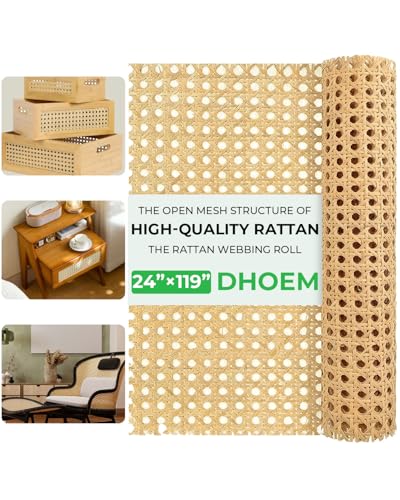
First, inspect for structural issues, such as loose or broken sections. For minor damages, I usually use a strong adhesive designed for outdoor materials. Apply the glue to the damaged area, hold it in place for a couple of minutes, and let it cure as per the product’s instructions.
For fraying or worn strands, I prefer to reinforce the furniture using nylon or similar weather-resistant cord. Cut the cord to size, then weave it through the existing framework, tightly securing any loose ends. This method not only repairs but also enhances the piece’s durability.
Cleaning is vital; I recommend using a mixture of warm water and mild detergent. A soft brush or cloth works wonders to remove dirt and debris. Regular maintenance will prevent mold and extend the life of your seating arrangements.


If painting or staining is needed for aesthetics, select a quality outdoor paint that can withstand the elements. Ensure to prepare the surface properly by stripping off any old finish, then apply the new coat evenly, allowing sufficient drying time.
Repairing Outdoor Wicker Seating
To address damage on outdoor seating made from interwoven materials, begin with cleaning. Use a soft brush and a mixture of mild soap and water to remove dirt and debris. Rinse thoroughly with a hose.
For broken strands, gather the necessary supplies: matching material for weaving, scissors, and a hot glue gun or waterproof adhesive. Carefully cut out the damaged piece, ensuring not to disrupt surrounding strands. Measure a new piece to the correct length and weave it into the framework, securing it with glue where necessary. Allow it to dry fully before use.
- Inspect for loose joints and re-glue them with waterproof adhesive.
- Consider using outdoor varnish to protect against moisture and UV damage.
- Repair any rust or corrosion on metal frames with rust-resistant paint.
Once repairs are complete, enhance longevity by covering the seating during harsh weather or using breathable covers to prevent moisture build-up. Regular maintenance will extend the life of your pieces significantly.
Assessing the Damage to Your Wicker Chairs
Begin by closely inspecting the seating pieces from all angles. Identify signs of wear such as fraying, broken strands, or loose joints. Touch the material to determine its flexibility and strength; brittle sections may indicate deterioration. Use a soft brush to remove dust and debris, revealing the extent of the damage more clearly.
Key Areas to Examine
Focus on these critical components during your assessment:
| Area | Signs of Damage |
|---|---|
| Weaving | Bent, broken, or missing strands |
| Frame | Cracks, loosening, or missing parts |
| Cushions | Stains, tears, or flattened shape |
| Finish | Peeling paint or varnish, discoloration |
Documenting the Damage
Take photographs of each damaged area for reference. This can help track progress and inform any sources of support, such as local repair specialists. If multiple parts need attention, prioritize based on severity to streamline the restoration process.
Gathering Necessary Repair Tools and Materials
First, I ensure that I have the right tools in hand. A pair of scissors or wire cutters is critical for trimming damaged strands. A staple gun is also useful for securing loose sections. If the damage is extensive, I opt for a hot glue gun to reattach larger pieces securely.
Materials to Collect
Next, I gather supplies such as replacement strands. These can often be found at local craft stores or home improvement centers. Additionally, I make sure to have a clear sealant on hand; it protects new materials from harsh weather. If there are any visible holes, I choose strong adhesives designed for outdoor use, which bond well with synthetic materials.
Safety Gear
I never forget to wear gloves to protect my hands from sharp edges or chemicals. A mask is essential if I’m working with adhesives to avoid inhaling fumes. Keeping a first aid kit nearby is always a good practice, just in case of any accidents during the process.
Cleaning Your Wicker Furniture Before Repairs
Begin cleaning by removing any loose dirt and debris from the surface. A soft-bristle brush or a handheld vacuum works well for this task. Pay special attention to crevices, where dirt tends to accumulate.
Next, prepare a gentle cleaning solution. Mix mild dish soap with warm water in a bucket. Dip a soft cloth or sponge into the solution and wring it out to prevent excess moisture.
Wipe down the entire surface gently with the damp cloth, ensuring to clean around each weave. Avoid saturating the material, as excessive water can weaken it. For stubborn stains, apply a paste of baking soda and water, scrub lightly, and rinse with a damp cloth.
After cleaning, make sure to dry the surface thoroughly. Use a dry cloth to absorb any remaining moisture, and allow the piece to air dry completely before proceeding with any maintenance work.
Periodic cleaning can prolong the life of your items. Establish a routine of wiping them down every month, especially in high-traffic settings. This helps maintain the appearance and integrity over time.
Fixing Loose Wicker Weaves
I first assess the affected weave, identifying which strands are loose or disconnected. I gather some fine gauge wire or strong twine, depending on the thickness of the weave. Starting with one end of the loose strand, I thread the wire or twine through the weave, ensuring it wraps tightly around the adjoining sections. This method stabilizes the loose weave without disrupting the overall design.
If a piece has completely detached, I take the time to backtrack and locate the original weave position. I then proceed to reinsert the strand, using the same secure threading technique as before. I gently tug to ensure tension is maintained, preventing future loosening.
After each repair, I visually inspect adjacent weaves to ensure they are not compromised, applying additional wire or twine as necessary for extra security. Once satisfied with the firm hold, I trim any excess wire or twine and secure the ends to avoid any sharp edges that could snag.
To wrap things up, I clean the area around the repairs once again to ensure no dust will compromise the integrity of the materials used. This attention to detail helps maintain the aesthetic appeal while ensuring longevity for the pieces.
Replacing Broken Wicker Strands
Begin by identifying the damaged sections of the weaving. Once located, carefully remove any loose or broken strands. Use scissors to cut the remaining piece at an angle for a smoother finish.
For replacement strands, select a material that closely matches the original. If possible, use the same type of synthetic resin or plant fiber to maintain consistency. Measure the length required by stretching the new strand alongside the existing ones.
Thread the new piece into the weaving pattern. It’s crucial to follow the original design for both strength and aesthetics. Use a pair of flat-nosed pliers to help pull the strand through tight spaces, ensuring a snug fit.
Once in place, secure the ends with a small dab of glue or a knot, depending on the weave type. For natural fibers, consider using a waterproof adhesive to provide additional protection against moisture. Finish up by trimming any excess material and ensuring the weaving remains tight.
After completing the installation, inspect the entire piece for any remaining weak spots. Making these adjustments will help prolong the lifespan of your patio accessories and maintain their appearance.
Reinforcing Weak Joints and Connections
To strengthen weak points in my woven pieces, I first inspect each joint for movement. If I notice any looseness, I apply a high-quality adhesive specifically designed for natural materials. This adhesive allows for flexibility while ensuring a strong bond. After applying, I hold the joint together with clamps or heavy objects for a few hours to let it cure properly.
For structural reinforcements, I can use small metal brackets or corner braces. I attach these using screws, making sure not to over-tighten to avoid cracking the material. This addition significantly enhances stability and prolongs the lifespan of the unit.
Next, if joints are made of flexible materials, I consider wrapping them with a braided cord. I use a synthetic type that mimics the original weave yet offers added support. This method not only adds durability but can also enhance the aesthetic appeal.
If I find any connections that are removable, like the detachable legs or arms, I take the opportunity to replace screws or dowels with new, sturdier ones. This proactive approach eliminates potential weak spots before they develop into larger issues.
Regularly checking these areas while performing maintenance ensures longevity and keeps my seating secure and comfortable for everyone who uses it. Taking these steps reinforces the essential connections, maintaining the integrity of my beloved pieces.
Applying Protective Coatings to Extend Lifespan
To ensure longevity for my garden seating, I prioritize protective coatings. I choose a high-quality outdoor varnish or sealant designed for resin-based materials. This creates a barrier against moisture and UV rays.
Here’s the process I follow:
- Surface Preparation: I clean the pieces thoroughly using a soft brush and a gentle soap solution. After rinsing, I let them dry completely.
- Application: Using a clean, soft cloth or a brush, I apply the protective coating evenly. I focus on weaves and joints where damage is most likely.
- Drying Time: I allow the first coat to dry as per the manufacturer’s instructions, typically 2-4 hours.
- Additional Coats: For optimal protection, I apply multiple coats, ensuring each one dries completely before the next. This builds up a thicker protective layer.
- Post-Application Care: Once done, I store the items in a shaded area or cover them during harsh weather to prevent damage.
I conduct maintenance checks every season. If I notice any signs of wear, I sand the affected area lightly and reapply the coating to maintain protection.
Repainting or Touching Up Wicker Finish
For a refreshed look, I recommend selecting a high-quality, outdoor-rated spray paint or liquid coating designed for rattan or resin. Begin by thoroughly cleaning the surface to remove dirt and grime, ensuring proper adhesion. Once dry, use painter’s tape to protect adjacent areas from overspray.
Apply a light coat of paint from a distance of about 15-20 inches, moving steadily to prevent drips. If necessary, I layer multiple thin coats, allowing each layer to dry completely before adding the next for a smooth finish. Pay attention to any spots that may need extra coverage due to wear.
If the original color is fading and I want to maintain the same shade, I may also mix paint with a bonding agent, ensuring a seamless transition. For spot touch-ups, I use a small brush to carefully apply the paint, blending it with the existing finish.
After repainting, applying a clear sealant can enhance durability and protect against UV rays and moisture. This step prolongs the life of the updated look and maintains the vibrancy of the color. Regular inspections can ensure that any wear or damage is addressed promptly, preserving the renewed aesthetic.
Preventive Measures for Future Repairs
To enhance the longevity of my outdoor seating, I apply a protective sealant annually. This raises the resilience against moisture and UV rays. I make sure the sealant is suitable for natural fibers, preventing deterioration due to environmental exposure.
Covering items during winter months safeguards against freezing temperatures and snow, which can lead to structural weakening. I select breathable covers to prevent moisture buildup underneath.
Regularly inspecting connections helps identify signs of loosening early. Tightening screws and bolts, along with applying adhesive to vulnerable joints, maintains strength and stability.
I store cushions indoors during harsh weather conditions to avoid water damage and mildew. This maintains their integrity and appearance for longer periods.
Choosing a shaded area for placement reduces sun damage. If necessary, using an umbrella or shade cloth offers extra protection against direct sunlight.
| Action | Frequency |
|---|---|
| Apply sealant | Annually |
| Inspect connections | Monthly |
| Store cushions | As needed |
| Cover items | Seasonally |
| Shade placement | Whenever possible |
By implementing these strategies, I reduce the likelihood of needing extensive adjustments and preserve both the aesthetic and functionality of my seating for years to come.


