Caleb Turner

I recommend stripping the current finish before applying a fresh layer. A quality paint stripper will save time and ensure even results. Apply it according to the manufacturer’s instructions, and be prepared to use a scraper for stubborn areas. Make sure to wear gloves and a mask for protection. Once stripped, wash the surface with water to remove any residue.
The next step involves sanding the surface. I use a fine-grit sandpaper to smooth out any imperfections. This preparation is vital for adhesion. After sanding, wipe down the piece with a damp cloth to eliminate dust particles, letting it dry completely.
Choosing the right coating is essential. I opt for a high-quality acrylic or chalk-based option, as these provide excellent coverage and durability. Applying a primer first can enhance the final finish and prevent color bleeding, especially on previously dark surfaces.
When it’s time to apply the new color, use a foam roller or a high-quality brush for a smooth finish. I often apply multiple thin layers rather than one thick coat. Allow each layer to dry fully before adding the next for the best results. After achieving the desired hue, seal the surface with a protective topcoat for longevity.
Brush Techniques for Transformation
Prior to applying any color, I ensure the surface is adequately prepped. A smooth finish starts with sanding, which I perform using a fine-grit paper to eliminate imperfections and prior coatings. Afterward, I wipe it down thoroughly to remove any dust.


For a flawless outcome, I prefer a high-quality primer. This step enhances adhesion and prevents previous colors from bleeding through, especially when moving from dark to light shades. I apply a thin layer, allowing each coat to dry completely.
While choosing color, I often opt for high-hiding formulas. Using a fine brush or a roller, I apply in thin layers to avoid drips and achieve an even tone. I patiently wait for each coat to dry before adding an additional one, usually applying two to three layers for optimal coverage.
After the final application, I contemplate the protective finish. Depending on the desired sheen, I choose between matte, satin, or gloss sealants. A final layer not only enhances durability but also brings out the depth of the color.
For maintenance, I make a point to clean the surface with a damp cloth, avoiding harsh chemicals that could degrade the new surface over time. This helps keep the fresh look intact.
Choosing the Right Paint for Furniture
To ensure a successful transformation, select a high-quality acrylic or latex option. These types provide durability and are less likely to chip or wear over time. Consider using chalk-type finishes for a matte look, which also makes surfaces smooth and easy to work with.
Type of Finish
Decide between satin, semi-gloss, or matte finishes based on desired aesthetics and usage. Satin offers a soft sheen, making it ideal for pieces that will see daily use. Semi-gloss is more reflective and easy to clean, great for items that might get messy. For a rustic or vintage vibe, look into matte varieties.
Color Selection
Choosing the right hue affects the overall ambiance of the space. Use color samples to test how different shades appear under various lighting conditions. Neutrals provide flexibility, while bold colors can become focal points. Consider the existing décor to ensure a cohesive look.
Preparing the Surface Before Repainting
Begin with a thorough cleaning. Use a mixture of warm water and mild detergent to wipe down the entire item. This removes dust, grease, and any residues that could interfere with adhesion.
Next, inspect for any inconsistencies. If there are scratches or dents, sand the surface to create a smooth finish. Use fine-grit sandpaper, typically between 220 and 320 grit, for this step.
After sanding, use a damp cloth to remove the dust created during the process. Ensuring the surface is dust-free improves the bond between layers.
For items previously coated with a glossy finish, consider a primer. Applying a bonding primer enhances the surface’s ability to hold new color. Select a primer that suits your specific base material.
Ensure the item is completely dry before proceeding. Allow ample time for drying after cleaning and priming. This step is crucial for achieving a lasting result.
Finally, evaluate the surroundings and conditions. Ensure good ventilation and appropriate temperature for optimal curing performance. Adequate conditions will significantly enhance the outcome.
Techniques for Applying Paint Smoothly
Choosing the right tools is paramount. A high-quality synthetic brush works well for detailed areas. For larger surfaces, a foam roller is preferable to minimize texture.
Before I start, I ensure the environment is suitable. Adequate lighting helps me see any imperfections as I apply the coating.
Here are steps I follow to achieve a flawless finish:
- Thin Coats: I prefer applying multiple thin layers instead of one thick coat. This prevents sagging and allows for even drying.
- Maintain a Wet Edge: While working, I keep a wet edge. This technique helps blend the sections seamlessly, avoiding marks where the paint has dried.
- Brush Techniques: For a smooth appearance, I use long, even strokes. I start from one side and move to the other, applying light pressure without pressing down too hard.
- Rolling Technique: If I’m using a roller, I apply paint in a zigzag pattern, then smooth it out using long strokes. This prevents bubbles and ensures an even layer.
- Working Indoors: In a non-humid environment, I can control the drying time better. However, if I’m outside, I plan for less windy days to avoid dust particles sticking to the surface.
For touch-ups, I go back with fine sandpaper once the layer dries and apply a new coat to any uneven areas.
After finishing, I allow adequate time for the finish to cure completely. This ensures durability and improves appearance in the long run.
Drying and Curing Time Considerations
For optimal results, I always allow ample drying and curing time. Standard drying might take a few hours, but full curing could extend to several days or even weeks, depending on the conditions. Check the manufacturer’s instructions for the specific product used, as they provide accurate timelines.
Factors Affecting Drying and Curing
Humidity and temperature significantly influence the process. In humid environments, moisture in the air slows down drying, leading to longer waiting times. Conversely, high temperatures can speed up initial drying, but may not always allow for complete curing. Adequate airflow is another aspect that enhances drying speed, so consider placing items in well-ventilated spaces.
| Context | Recommended Drying Time | Full Curing Time |
|---|---|---|
| Normal Conditions (70°F, 50% humidity) | 1-4 hours | 2-7 days |
| High Humidity | 4-8 hours | 1-3 weeks |
| Low Temperature | 2-6 hours | 1-2 weeks |
Surface Touch and Handling
Before putting items back into regular use, I recommend testing the surface by lightly touching it. If it feels tacky or leaves fingerprints, it likely needs more time to cure. Always exercise caution during this phase to avoid any permanent marks or damage on the surface.
Sealing and Protecting Repainted Surfaces
Prior to applying a topcoat, ensure that the base layer is completely dry. I prefer using a high-quality clear sealant for enhanced protection against scratches and stains. Look for options labeled as polyurethane or polycrylic; both offer durability, but polycrylic is typically better for water-based applications.
Application Techniques
When sealing, use a clean, soft brush or a foam applicator to avoid streaks. I recommend applying multiple thin layers rather than a single thick one, allowing each coat to cure fully before adding the next. This method prevents bubbling and ensures a smoother finish.
Maintenance Tips
After sealing, avoid harsh cleaners. Instead, opt for a damp cloth and mild soap to maintain the surface. For ongoing protection, consider reapplying the sealant annually, particularly in high-use areas, to keep the finish looking fresh and new.
Maintenance Tips for Longevity of Repainted Furniture
Regularly clean the surface with a soft, damp cloth. Avoid harsh chemicals that can damage the finish. I prefer using a mild soap solution for general cleaning.
Conditioning the Finish
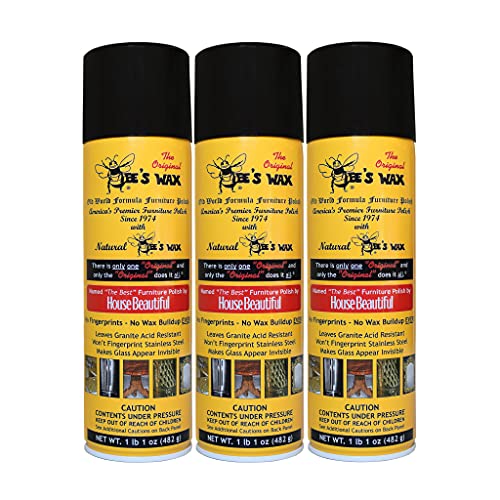
Once every few months, apply a quality furniture polish or wax to nourish the surface. This can enhance shine and protect against scratches. Test on a small area first to ensure compatibility.
Avoiding Damage
Place coasters beneath drinks and avoid direct sunlight exposure. UV rays can fade colors over time. When moving items, lift instead of dragging to prevent surface scuffs.
If noticeable blemishes appear, repairing them promptly with touch-up paint can help maintain the overall appearance. Regular inspections can catch minor issues before they worsen.
Keep humidity levels consistent in the room, as extreme fluctuations can warp wood or compromise the integrity of the new layer. Aim for a stable environment to prolong durability.