
 Caleb Turner

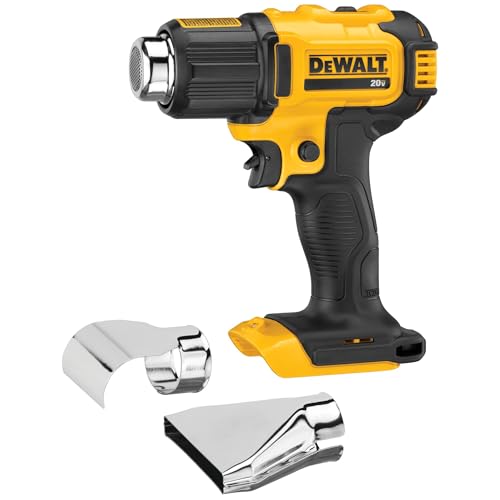
Begin by gathering the necessary tools: a heat gun or a scraper and a suitable adhesive remover. This approach minimizes potential damage to the underlying structure. Apply heat carefully to loosen the adhesive that binds the upper layer to the base. Maintain a distance of about two inches to avoid scorching the surface.
Once the adhesive yields, use a sturdy scraper to gently lift the top layer. Work slowly to prevent splintering the underlying structure. If you encounter stubborn spots, alternate between the heat application and scraping. Patience is key; rushing this process may lead to unintended damage.


After detaching the surface, assess any residual adhesive. Utilize a cloth dampened with adhesive remover to clean the area thoroughly. Ensure you follow the manufacturer’s instructions for proper usage. The final step involves sanding the area lightly to achieve a smooth finish, preparing it for refinishing or other treatments.
Removing Top Layer of a Wooden Surface
Heating the surface with a hairdryer or heat gun works wonders. This softens the adhesive, making it easier to peel off the top layer. Maintain a distance of about 6 inches to avoid scorching the underlying material.
Employ a putty knife or a scraper for precision while lifting the layer. Slide it gently underneath, and once it begins to lift, continue to apply heat. It’s crucial to check frequently to ensure the wood below isn’t getting damaged.
For stubborn spots, applying a solvent such as denatured alcohol can help. Dampen a cloth with the solution, and press it against the area for a few minutes, allowing the adhesive to break down. Wipe clean with a dry cloth to prevent residue.
After removing the layer, sand the surface with fine-grit sandpaper to achieve a smooth finish. Feather the edges to blend any areas that might have lifted unevenly. This step ensures a seamless transition to refinishing if desired.
Always remember to work in a well-ventilated area. Safety goggles and a mask are advisable to protect against dust and fumes during this process.
Assess the Type of Veneer Before Removal
Determining the category of laminate is crucial prior to undertaking any extraction effort. I examine whether it’s a natural wood surface or a synthetic alternative. Real timber is generally more forgiving during the separation process, while composites can be problematic due to adhesives used in their assembly.
I also consider the thickness of the overlay. Thicker layers allow for easier peeling, while thinner ones may require more meticulous techniques to prevent damage to the underlying surface.
Next, I analyze the bonding agent. Water-based glues are simpler to work with, as moisture can help weaken their grip. Conversely, urea-formaldehyde adhesives necessitate additional care since they can withstand moisture better.
Identifying the finish is another key point. If a lacquer or varnish is present, I ensure to strip it away first to expose the edges for a smoother disassembly. A heat gun becomes useful here, as it can soften the finish and facilitate the task.
Documentation or consultation with an expert can provide insight into specific types of laminates, offering guidance tailored to the particular situation at hand. This assessment forms the foundation for a successful extraction process, preventing potential damage and ensuring the best possible outcome.
Gather Necessary Tools and Supplies
Prepare a heat gun or an iron, as these are key for softening adhesive. A putty knife or a wide scraper will allow me to lift the surface gently without damaging the underlying structure. I also need a chisel for more stubborn sections, ensuring that my approach is precise.
Safety should be a priority. I’ll equip myself with protective goggles and gloves to safeguard against potential splinters or fumes. A drop cloth can help manage any mess, while a vacuum cleaner or a brush will assist in cleanup afterward.
A reliable adhesive remover is essential for tackling particularly challenging areas. Some suggest using vinegar or a commercial solvent, which can dissolve residues. Keeping a container of water nearby can come in handy for managing any excessive heat during the process.
Finally, I’ll require sandpaper or a sanding block to refine the surface after the layer is lifted. By gathering these items beforehand, I can ensure the task proceeds smoothly and efficiently.
Test Heat Method for Softening Adhesive
I recommend using a heat source to soften the glue that bonds the overlay to the substrate. A heat gun or an iron may be suitable for this process. Ensure the temperature doesn’t exceed what the material can tolerate to avoid damage.
Begin by laying a damp cloth over the area to be treated. This helps distribute the heat evenly while preventing scorching. With the heat gun set to low, keep it at least six inches away from the surface to control the temperature effectively.
If using an iron, set it to a medium heat setting without steam. Place the iron on the damp cloth for a few seconds, then lift and check the progress. Repeat this process, monitoring closely until the adhesive feels soft.
It’s essential to test a small, inconspicuous area first. This allows checking the reaction of the substrate and ensures it won’t buckle or scorch. Once the adhesive has softened, use a putty knife to gently pry the overlay away, working in small sections for better control.
| Method | Tool | Notes |
|---|---|---|
| Heat Gun | Heat gun | Maintain distance to prevent overheating |
| Iron Method | Iron and damp cloth | Use medium heat without steam for best results |
Be patient and proceed slowly to protect the integrity of the surface beneath. After the adhesive is softened, you can continue with further detachment steps effectively.
Utilize Chemical Strippers for Stubborn Veneers
For particularly persistent layers, chemical strippers offer a powerful solution. These products penetrate the adhesive and dissolve the surface material, making it easier to detach. I recommend selecting a gel formulation, as it clings better to vertical surfaces.
Follow these steps for effective application:
- Ensure the workspace is well-ventilated. Open windows and use fans to circulate air. Wear appropriate personal protective equipment, including gloves and safety goggles.
- Apply a generous layer of the stripper with a brush, focusing on one section at a time. Avoid over-saturating the area.
- Allow the stripper to sit for the recommended time, usually indicated on the product label. This can range from 15 minutes to several hours, depending on the formula.
- Check the progress by gently scraping a small section with a putty knife. If the material loosens easily, proceed with removal.
- Use the putty knife to carefully lift the softened layer. Work slowly to prevent damage to the underlying surface.
- Once complete, neutralize the chemical residue as instructed, typically with water or a specific neutralizing solution.
After finishing, clean the area thoroughly to avoid any lingering chemicals. This method can significantly reduce the time and effort required for tough tasks. It’s crucial to test the stripper on a small, inconspicuous area first to ensure compatibility with the base material.
Employ Manual Methods with a Scraper
For tackling stubborn layers, I recommend a handheld scraper as a primary tool. Choose one with a sharp blade for clean cuts to prevent damage to the underlying surface. Position the scraper at a slight angle for better leverage and control while gradually applying pressure to lift the material.
Technique and Technique
Start at a corner or edge, working toward the center. This approach minimizes the risk of gouging the surface beneath. If the adhesive is particularly tenacious, I find that gently rocking the scraper back and forth helps to break the bond without requiring excessive force, which could lead to unwanted dents.
Safety Precautions
Always wear gloves to protect your hands, and goggles for eye safety. Ensure the area is well-ventilated, especially if you are working near any heating elements or chemical products. Take breaks to avoid fatigue, which can lead to mistakes in technique. Using a scraper can be labor-intensive, but careful attention yields rewarding results.
Handle Corners and Edges with Care
When tackling the edges and corners of cabinetry, controlling the process is paramount. I recommend using a utility knife to score the adhesive at the edges meticulously. This method minimizes the risk of damaging the underlying substrate while allowing for easier lifting at those critical junctions.
Utilize a Gentle Approach
For corners, patience is key. Rather than applying excessive force, I apply heat to soften the adhesive gently. This can be achieved with a heat gun or an iron set on low. After softening, I use a plastic scraper to gradually peel away the material, ensuring I don’t gouge the surrounding area.
Focus on Precision
Employing a fine-toothed saw can be beneficial for particularly stubborn edges. I cut along the seam where the veneer meets the substrate, making clean lines. This technique helps to maintain the integrity of the furniture piece. Always remember to work slowly, inspecting the area frequently to avoid mistakes.
In summary, a careful, methodical approach is my best ally when addressing corners and edges, ensuring a successful reduction of the outer layer without compromising the furniture’s structure.
Clean the Surface After Veneer Removal
Begin with gentle cleaning using a damp cloth. Wipe down the entire area to eliminate any lingering adhesive residue and dust. For stubborn spots, a soft sponge with warm soapy water can be effective. Avoid soaking the surface, as excess moisture may damage the underlying material.
Dealing with Adhesive Residue
If remnants persist, consider using a specialized adhesive remover. Apply the product according to the manufacturer’s instructions, allowing it to penetrate any stubborn patches. Use a plastic scraper to carefully lift off softened residue without scratching the surface beneath.
Final Touches for a Smooth Finish
After thorough cleaning, sand lightly using fine-grit sandpaper for a smooth texture. This step helps to prepare the area for refinishing or new surfaces. Finally, wipe down the cleaned area again to ensure no particles remain before proceeding with any subsequent treatments or finishes.
Inspect for Damage Underneath the Veneer
Before proceeding with the extraction, it’s crucial to assess the surface beneath the facing layer. I carefully inspect the edges and corners to identify any existing cracks, chips, or water damage. Pay special attention to areas where the facing may have lifted or bubbled, as these can indicate underlying issues.
Steps to Follow
- Use a flashlight to illuminate dark spots, revealing hidden defects.
- Gently press on various areas to check for softness, which may suggest rot or decay.
- Look for discoloration or staining, which can signify moisture exposure.
- Check joints and seams for gaps that may indicate structural problems.
If any damage is detected, I document it for future reference. This information can help determine if repairs are necessary before continuing with the project. Assessing the condition of the underlying material not only prepares me for the next steps but also prevents further complications during the process.
Prepare for Refinishing the Exposed Wood
After completing the task of stripping away the thin layer, focus on preparing the underlying surface for refinishing. First, inspect for any adhesive residue that may remain. Utilizing a solvent or a specialized cleaner can help eliminate these remnants, ensuring a smooth foundation for your upcoming work.
Inspect and Sand
Examine the surface for imperfections, such as scratches or dings. Address these issues by sanding the area with fine-grit sandpaper. Apply even pressure and work in a circular motion to avoid creating flat spots. Subsequently, switch to a higher grit to refine the surface further, ensuring it is even and ready to accept the new finish.
Clean Thoroughly
Once sanding is complete, thoroughly clean the area with a damp cloth to remove dust and debris. Allow the surface to dry completely. Prior to applying any finish, consider wiping the wood down with denatured alcohol to eliminate any oils or residues that may hinder adhesion.
These steps will create a well-prepared surface that promotes a successful application of stain or sealant, enhancing the natural beauty of the timber.
FAQ:
What tools do I need to remove veneer from wood furniture?
To remove veneer effectively, you will generally need a few essential tools. Start with a utility knife or a chisel to carefully lift the veneer from the surface. You may also need a heat gun or a clothes iron to soften the adhesive. Additionally, have a putty knife or scraper on hand to help peel the veneer off. Sandpaper might be required to smooth the surface after the veneer is removed. Always prioritize safety by using gloves and eye protection during the process.
How can I tell if my furniture is made from solid wood or if it has a veneer finish?
You can identify whether your furniture is solid wood or has a veneer layer by examining the edges and underside of the piece. Solid wood typically has a consistent grain pattern throughout, while veneer often shows a different grain on the edges due to the thin layer. You can also look for signs of wear; solid wood may have more scratches and dents, while veneer is more prone to chipping and separation at the edges. If you’re still unsure, take a small area where it’s less visible and check how deep the wood layer goes.
Is it possible to remove veneer without damaging the wood underneath?
Yes, it is possible to remove veneer while minimizing damage to the underlying wood. The key is to work slowly and carefully. Use a heat gun to warm up the adhesive, making it easier to lift the veneer. A utility knife or chisel can help you gently separate the veneer from the wood. Be cautious and avoid applying too much force, as this may gouge the wood. If damage occurs, minor fixes like sanding can help restore the surface.
Are there any chemicals that can help in removing veneer?
Certain chemical solvents can assist in removing veneer, especially if the adhesive used is particularly stubborn. Products like adhesive removers or mineral spirits can help break down the glue. However, utilize these chemicals cautiously and test them in a small area first to ensure they don’t damage the wood. Always follow safety precautions by working in a well-ventilated area and wearing protective gear, such as gloves and masks, to avoid inhaling fumes.
What should I do if the veneer is damaged during removal?
If the veneer gets damaged during the removal process, you have a few options depending on the extent of the damage. If the veneer is only partially lifted, you might be able to reattach it using wood glue. For more severe damage, consider replacing the area with a new piece of veneer. Regardless of the situation, sanding and refinishing the area afterward can help blend the repair with the surrounding surface. If the damage is significant, consulting a professional for repair may be advisable.
What are the best tools to use for removing veneer from wood furniture?
When it comes to removing veneer, having the right tools can make a significant difference. Common tools include a heat gun or a hair dryer, which can help loosen the adhesive. A putty knife or a chisel can be used to gently pry off the veneer once it is heated. Additionally, a scraper can be useful for cleaning up any residual glue left on the wood surface. It’s also recommended to have some protective gloves and safety glasses on hand for safety while working. Always work carefully to avoid damaging the underlying wood as you remove the veneer.


