
 Caleb Turner

Begin with a sturdy pair of pliers or a flathead screwdriver. Slide the tool under the edge of the metal piece, applying steady pressure to lift it from the surface. This method minimizes damage to the material below.
After extracting the main portion, some remnants may remain lodged within the fabric or wood. Use a seam ripper for fabric or a putty knife for wooden surfaces to carefully coax these stubborn bits free without causing further harm.
Keep your workspace tidy by placing all removed items into a container. This approach not only avoids litter but also ensures nothing is missed during the process. Safety gloves may help protect your hands, particularly when dealing with sharp edges.


Consider finishing with a gentle clean of the area to remove any dust or debris that may have accumulated during the effort, restoring the piece to its former glory.
Removing Fasteners from Upholstered Items
Begin with a pair of pliers or a flathead screwdriver. Carefully insert the tool beneath the metal piece and gently wiggle it to loosen it from the material. If it proves resistant, apply a bit of penetrating oil to reduce friction before retrying. Always pull straight out to avoid damaging the surrounding fabric.
Techniques for Stubborn Pieces
If some fasteners are deeply embedded, a heated technique may be useful. Warm the area with a hairdryer for a few seconds; the heat may soften the fabric and adhesive properties, making extraction easier. Utilize the pliers again for better grip.
Post-Extraction Care
After extraction, inspect the area for any leftover bits. A fine sandpaper can smooth out rough edges, while a touch of upholstery glue can help adhere any fabric that lost attachment during the process. Always opt for repair materials that match the original to maintain aesthetics.
Choosing the Right Tools for Staple Removal
Selecting appropriate instruments is critical for a smooth process. I’ve found that a good pair of pliers is an ideal starting tool. They provide the necessary grip to extract fasteners effectively. Look for ones with a flat nose for better leverage.
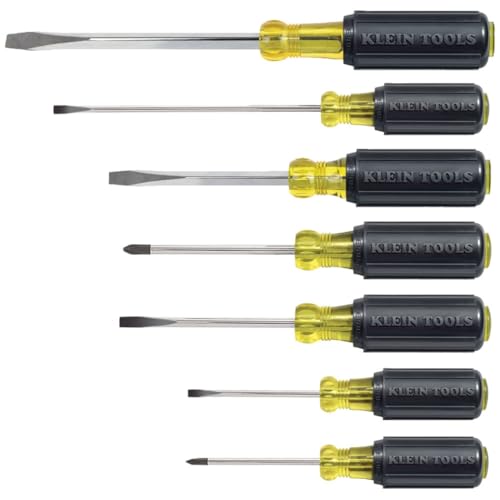
A flathead screwdriver can also be beneficial. It assists in prying the fasteners from different angles. Make sure to choose one with a sturdy blade to prevent bending during use.
Utility knives are another handy choice. I use them to cut through any fabric or material that may be in the way. Always exercise caution when using this tool to avoid injuries.
Consider a staple puller specifically designed for the task. These tools are crafted to minimize damage to the surrounding material. They can be found at hardware stores or online, and they simplify the extraction process.
Lastly, having a small container nearby for the extracted fasteners is useful. It helps keep the workspace tidy and ensures that nothing gets lost along the way.
- Pliers – Flat-nosed for better grip
- Flathead screwdriver – Sturdy blade for leverage
- Utility knife – For cutting through underlying materials
- Staple puller – Minimizes damage during extraction
- Container – For organizing removed fasteners
Assessing the Type of Staples Used in Your Furniture
Begin with a close examination of the piece at hand. Identifying the specific type of fasteners is critical for a straightforward extraction process. Furniture may utilize different varieties, such as light-duty, heavy-duty, or specialized staples. Each type requires distinct approaches for removal.
| Type of Fastener | Common Uses | Identification Tips |
|---|---|---|
| Light-duty | Upholstery, lightweight panels | Thin, narrow with little depth |
| Heavy-duty | Thicker woods, commercial upholstery | Wider and deeper with robust hold |
| Specialized | Specific applications like automotive or industrial | Unique shapes or materials, often not easily recognizable |
Using a flashlight can help reveal deeper fasteners that aren’t immediately visible. Observe the spacing between the fasteners; closer spacing often indicates a more secure hold, suggesting a heavy-duty variant may be present. Completing this assessment allows for a more informed choice of removal tools.
Preparing the Furniture for Safe Staple Removal
First, ensure that the piece is stable and secure. If it wobbles, set it on a flat surface or use a sturdy table to avoid movement during extraction. This reduces the risk of injury and damage.
Clear the Surrounding Area
Remove any nearby items, such as decor or small furniture, to create ample space. An organized workspace minimizes distractions and accidents.
Protective Gear
Consider wearing safety glasses and gloves. Eyewear protects against flying debris, while gloves prevent injury from sharp edges or unexpected splinters during the process.
Lastly, inspect the area around the fasteners to identify any visible damage or irregularities. This assessment helps in planning the removal process with care, ensuring minimal harm to the item.
Using Pliers for Easy Staple Extraction
Pliers provide a simple method for pulling out bothersome fasteners. Select a pair with narrow jaws to grip tightly without damaging the surrounding material. Ensure the gripping surface is clean to prevent slipping.
Begin by positioning the pliers around the staple. Squeeze the handles firmly to create a secure grip. It’s important to pull directly upwards to prevent bending the staple or tearing the surface underneath.
For staples deeply embedded in the material, twisting the pliers slightly may help ease their extraction. If resistance is encountered, consider gently rocking the pliers back and forth while pulling to loosen the staple.
Utilize the leverage of the pliers effectively. Instead of using brute force, leverage the tool’s design to lift the staple slowly but steadily. This technique minimizes the risk of damage to the furniture.
Once the fastener is removed, inspect the area for any debris or leftover pieces that may require further attention.
| Tip | Details |
|---|---|
| Grip Type | Narrow jaws for precision |
| Technique | Pull directly upwards for best results |
| Leverage | Use gradual pressure, avoid excessive force |
| Safety | Wear gloves if necessary to protect hands |
Employing a Flathead Screwdriver for Staple Extraction
Using a flathead screwdriver proves effective for extracting metal fasteners embedded in upholstery. Here’s a step-by-step approach:
- Position the Tool: Insert the tip of the screwdriver beneath the edge of the metal fastener, aiming for the base to avoid damage to surrounding material.
- Leverage Carefully: Gently leverage the screwdriver upward while maintaining control. A slight twist can help dislodge the fastener.
- Lift and Pull: Once the fastener begins to rise, grab it gently with pliers for easier extraction.
- Repeat if Necessary: For stubborn fasteners, reposition the screwdriver and repeat the process until complete removal.
This technique minimizes risk of tearing the upholstery while allowing access to the underlying structure. Always ensure your hands are clear and utilize protective gloves to avoid injury during this process.
Applying Heat to Loosen Stubborn Staples
Utilizing heat can significantly ease the process of extracting difficult fasteners. A heat gun or hair dryer works well for this purpose. Set the tool to a low setting to avoid damaging surrounding materials.
Follow these steps:
- Hold the heat source a few inches away from the designated area.
- Evenly distribute heat over the stubborn fasteners for about 30 seconds.
- Test the temperature by placing a finger near the area to ensure it’s warm but not too hot.
Once the area is adequately heated, attempt to lift the fasteners with pliers or a flathead screwdriver. The heat will often cause the fasteners to loosen, making it easier to extract them without excessive effort.
Be cautious of any flammable materials nearby and wear protective gear, such as gloves, to prevent burns. If any residue remains after extraction, it can typically be cleaned off with a suitable adhesive remover.
Handling Staples That Break During Removal
When a fastening device breaks while attempting to take it out, it’s crucial to stay calm and employ a systematic approach. First, assess the remaining part protruding from the surface. If a piece is visible, carefully grasp it with needle-nose pliers. This can provide the necessary grip to pull the fragment out.
If nothing is left above the surface, gently drill into the area using a small drill bit, being cautious not to damage the surrounding material. The goal is to create a pathway for a tool. After drilling, use a magnet to see if the segment can be extracted easily.
In case the magnet proves ineffective, consider using super glue. Apply a small amount to a toothpick, touch it to the remaining fragment, and then wait for it to set. Once hardened, gently pull to extract the remnant.
For particularly stubborn parts, applying heat can help loosen adhesives or rust. A heat gun or hair dryer can be used briefly, ensuring not to overheat any nearby materials. After heating, attempt extraction again with pliers or a magnet.
Always keep safety in mind. If necessary, use protective eyewear and gloves before proceeding with any method. Patience is key; rushing through could lead to further damage. If all else fails, consulting a professional may be the best course of action.
Cleaning Up After Removing Staples
After extracting the fasteners, it’s crucial to address the mess left behind. Start by thoroughly vacuuming the area to eliminate any metal pieces that may have fallen. A handheld vacuum or a nozzle attachment can reach tight spaces and ensure debris is cleared effectively.
Inspecting the Surface
Carefully examine the surface for any remaining fragments. Sometimes, tiny bits of metal may stick to the fabric or wood. Using a lint roller or a sticky tape can help lift these off easily. For fabrics, gently rolling the lint roller over the area can pick up stubborn small pieces without causing damage.
Final Touches
Once the area is clean, check for any marks left by the extraction process. For wooden surfaces, a little furniture polish can help restore shine. In cases of fabric, steam cleaning or spot cleaning with a suitable fabric cleaner can refresh the upholstery. Always test a small, inconspicuous area first to avoid any unwanted reactions.
Preventing Damage During the Removal Process
To protect surfaces while extracting fasteners, I place a piece of cardboard or a soft cloth underneath the area being worked on. This acts as a cushion, minimizing scratches and dents from tools or the fasteners themselves.
Using Caution with Tools
While using pliers or screwdrivers, I maintain a steady grip and avoid excessive force. If a fastener resists, gentle wiggling rather than brute strength helps prevent damage to the surrounding material. For stubborn fasteners, introducing heat first can make them easier to handle.
Working Slowly and Methodically
I take my time during this process, ensuring that each fastener is gently pulled or lifted out rather than rushed. Monitoring the material for any signs of stress or cracking leads to better outcomes and a safer extraction experience.
FAQ:
What tools do I need to remove staples from furniture?
To remove staples from furniture, you typically need a flathead screwdriver or a staple remover. For larger staples, needle-nose pliers can be very helpful. Additionally, having a pair of gloves can protect your hands from sharp edges. If the staples are deeply embedded, a small hammer may assist in gently prying them out without damaging the material.
Are there specific techniques for removing staples without damaging the furniture?
Yes, it’s important to be careful when removing staples to avoid harming the furniture. Start by inserting the flathead screwdriver under the staple head and gently lifting it upward. You can also use the staple remover to grip the staple and pull it straight out. Make sure to work slowly and apply even pressure to prevent tearing the fabric or wood around the staple.
What should I do if the staples are rusted or hard to remove?
If you encounter rusted or stubborn staples, applying a small amount of penetrating oil can help. Let the oil sit for a few minutes to loosen the rust. After that, use your flathead screwdriver or staple remover. If the staple still won’t budge, consider using needle-nose pliers to grip and twist it out, being careful to avoid damaging the surrounding material.
Can I use any alternative methods or tools for staple removal?
Yes, some people find success using household items like a credit card or plastic putty knife as a makeshift flathead screwdriver to pry up staples. Additionally, a heat gun can sometimes soften the material around the staple, making it easier to remove. Always ensure that any method you choose does not damage the furniture’s finish or fabric.


