
 Caleb Turner

For swift and successful treatment of an unpleasant scent on wooden surfaces, begin with a combination of white vinegar and water. Mix equal parts of these ingredients in a spray bottle, and lightly mist the affected area. Allow it to sit for several minutes before wiping it away with a clean cloth. This method neutralizes odors effectively without damaging the finish.
If the scent persists, consider using baking soda. Sprinkle a generous amount over the area and let it absorb the odor for several hours or overnight. Afterward, simply vacuum or brush away the residue. Baking soda acts as a powerful absorbent, making it an excellent choice for persistent smells.
In instances with particularly stubborn odors, a diluted solution of hydrogen peroxide can be employed. Mix one part hydrogen peroxide with two parts water, apply it to the surface, and let it sit briefly. Be cautious and test on an inconspicuous spot first to ensure it does not alter the wood’s color or finish.
Lastly, sealing the surface may provide long-term protection against future incidents. Once cleaned thoroughly, consider applying a wood conditioner or sealant. This step not only restores the surface’s sheen but also creates a barrier against moisture and potential stains.
Steps for Eliminating Odors from Wooden Surfaces
Combine equal parts of distilled white vinegar and water in a spray bottle. Lightly mist the affected area, ensuring the solution doesn’t soak the finish. Wipe gently with a soft cloth, working with the grain of the material.

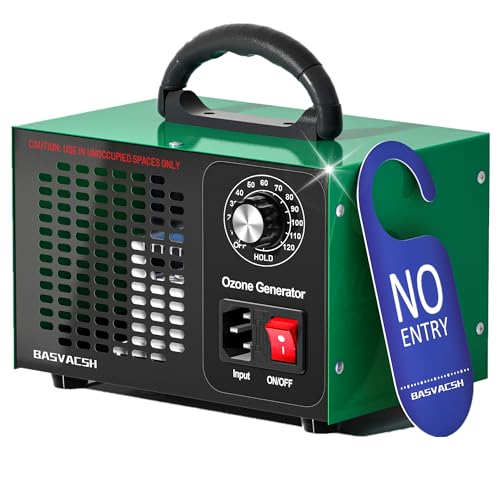
Neutralizing with Enzymatic Cleaners
Consider using an enzymatic cleaner specifically designed for tackling organic odors. Apply according to package instructions, allowing it to penetrate for the recommended duration, then blot the area with a clean, dry cloth.
Surface Restoration
After applying any cleaning solutions, evaluate the finish. It may require reconditioning. Use furniture oil or appropriate polish to restore the shine and protect the surface, ensuring the wood stays nourished and looks its best.
Identify the Source of the Odor
Pinpointing the source of the unpleasant scent is critical. Start by inspecting all surfaces and crevices, as the liquid can soak into multiple layers. Pay attention to corners, seams, or hidden areas in the structure.
Visual Inspection
- Look for discoloration or dark spots on the material.
- Check for dampness in areas where the scent is strongest.
- Notice any unusual stains that might indicate absorption.
Smell Test
Using your sense of smell is often an effective method. Move slowly around the item to identify where the odor is most potent. This can help narrow down the specific locations.
- Consider using a flashlight to enhance visibility in dark spaces.
- Get close to suspect areas to detect subtle scents.
Once the source is identified, targeted treatment can effectively tackle the issue. Remember that multiple locations may need attention, so be thorough in your examination.
Gather Necessary Cleaning Supplies
For tackling the issue at hand, I recommend collecting several items before starting the cleaning process. Here’s what I find most helpful:
| Item | Purpose |
|---|---|
| White vinegar | Neutralizes odors and breaks down stains |
| Baking soda | Absorbs moisture and eliminates smells |
| Enzymatic cleaner | Targets organic compounds, breaking them down effectively |
| Soft cloth or sponge | For gently scrubbing surfaces without causing damage |
| Water | Dilutes solutions and helps with rinsing |
| Rubber gloves | Protects hands during cleaning |
| Plastic container | To mix solutions and hold cleaning materials |
Having these supplies ready simplifies the process and enhances effectiveness, ensuring a thorough clean that maintains the integrity of your surfaces.
Test Cleaning Solutions on a Small Area
I recommend selecting a hidden spot on the item to conduct a test before applying any cleaning products. This precaution helps determine if the solution will affect the finish or color.
To begin, use a cotton swab or a clean cloth to apply a small amount of the chosen cleaner onto the selected area. Gently rub it in and observe the reaction. Wait for a few minutes to see if there are any adverse effects, such as discoloration or damage to the surface.
If the product does not cause any visible changes, proceed to a larger area, but maintain caution. Apply the cleaner in a consistent manner, ensuring even coverage. Always follow up with a damp cloth to remove any residue and prevent long-term exposure to the chemicals.
If any negative reaction occurs during the test, discontinue use immediately and consider alternative cleaning agents suitable for sensitive finishes.
Apply the Cleaning Solution to the Affected Area
Once I have the appropriate cleaning agent ready, I apply it generously to the stained section. It’s important to ensure that the area is adequately saturated but not overly drenched, which can lead to damage.
Steps to Follow
- Using a clean cloth, I dab the solution directly onto the stain, working from the outside in. This technique helps prevent the spread of the liquid to other areas.
- I gently rub the area in circular motions, allowing the product to penetrate the surface. If the stain is particularly stubborn, I let the solution sit for several minutes to break down the source.
- After sufficient dwell time, I wipe the excess mixture away with a damp cloth, ensuring no residue remains.
If the odor persists, I repeat the application process, as the scent often requires multiple treatments to fully dissipate. Once satisfied with the results, I dry the area thoroughly using a soft towel to avoid moisture damage.
Final Considerations
- It’s wise to avoid using abrasive materials, as they can scratch and harm the surface.
- Testing the solution on a less visible area beforehand can prevent unforeseen damage.
Neutralize Residual Odor After Cleaning
To effectively tackle lingering smells, I recommend creating a mixture of equal parts water and white vinegar. After cleaning the infected section, lightly spritz this solution onto the area and allow it to air dry. Vinegar not only masks odors but also helps break down any remaining scent molecules.
Using Baking Soda
After the area is dry, I sprinkle baking soda over the surface. This natural deodorizer absorbs any persistent smells. I let it sit for a few hours or, preferably, overnight. Vacuum the baking soda afterward, ensuring to remove all residues.
Essential Oils for Freshness
For a pleasant aroma, I add a few drops of essential oils to the cleaning solution. Options such as lavender or tea tree oil provide both fragrance and antibacterial properties. This step enhances the freshness while ensuring that any remaining odors are neutralized.
Prevent Future Incidents with Training Tips
Focus on positive reinforcement to build desired behavior. Whenever I notice my pet using the designated areas for elimination, I always reward them with treats or affection. This method encourages repeat behavior and helps establish a strong connection between the act and a positive outcome.
Establish a Routine
Consistency is key. I maintain a regular schedule for feeding and bathroom breaks. By observing my pet’s natural rhythms, I can anticipate when they need to go outside or to their litter box, minimizing accidents indoors.
Create a Comfortable Environment
It’s critical to ensure that my pet feels secure and content in their living space. I provide safe, welcoming spots where they can rest, play, and groom themselves. A stress-free environment reduces anxiety-related issues that often lead to inappropriate elimination.
Regularly cleaning the areas where my pet spends most of their time reinforces the boundaries of acceptable behavior, reminding them of where they should go. Additionally, monitoring their health with routine check-ups can uncover any medical concerns that may lead to disobedience in litter box habits. By combining these approaches, I establish a more harmonious living arrangement for both of us.


