
 Caleb Turner

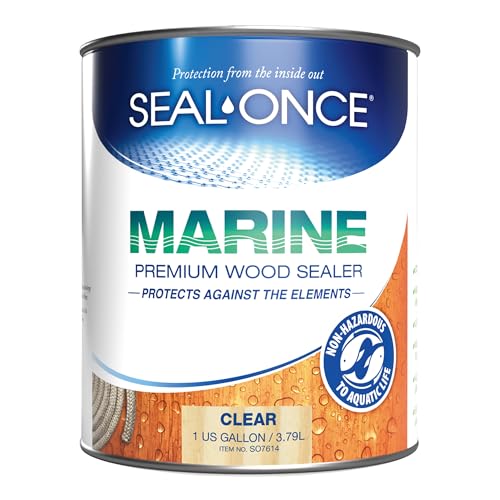
Apply a high-quality UV-resistant sealant every couple of years to guard your exterior timber creations against harmful rays. This simple act significantly prolongs lifespan and keeps the natural beauty intact. Selecting a product suitable for the type of wood used is key; this ensures optimal adherence and protection.
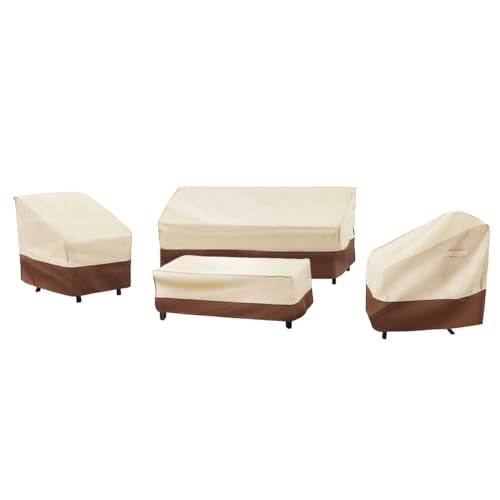
Consider investing in protective covers when not in use. Fabric or vinyl covers can prevent direct exposure to sunlight and rain, ultimately reducing wear and tear. When choosing a cover, ensure it is breathable to prevent moisture buildup underneath, which can lead to unsightly mold development.

Establish a routine cleaning schedule with mild soap and water to eliminate dirt and debris. Accumulation of grime can accelerate deterioration. Regularly inspecting for signs of wear or discoloration helps catch issues early, allowing for timely maintenance and repairs.
Positioning these creations in shaded areas can also make a significant difference. Strategic planning during placement can minimize sun exposure, enhancing longevity. If surroundings allow, consider incorporating plants or other structures to provide natural shade, offering both aesthetic appeal and practical benefits.
How to Protect Outdoor Wood Furniture from Sun Damage
I recommend regularly applying a high-quality water-repellent sealant specifically designed for exterior applications. This forms a protective barrier that defends against moisture and harmful UV rays. Choose a product that contains UV inhibitors to prolong the life of the finish.
Applying a thick coat of oil, such as teak or tung oil, can nourish the grain while providing a layer of protection. Reapply every few months, especially after heavy rain or prolonged sun exposure, to maintain the finish and appearance.
When possible, relocate seating to shaded areas, utilizing umbrellas or pergolas to mitigate exposure during peak sunlight hours. This not only prolongs lifespan but enhances comfort during use.
A wet cloth can assist in dusting and maintaining cleanliness. It’s advisable to avoid harsh chemical cleaners, as they can strip protective coatings and alter the finish. Instead, opt for mild soap diluted in water.
For long-term preservation, consider going for furniture covers made from breathable materials. This is particularly useful during off-seasons, providing a barrier against weather influences without trapping moisture.
Regular inspections for signs of wear, such as fading or cracking, allow timely interventions, ensuring the longevity of the pieces in your outdoor space.
Choosing the Right Wood for Outdoor Furniture
Certain varieties of timber significantly withstand the elements better than others. Teak, for instance, is known for its high oil content, making it naturally resistant to moisture and insects. This property allows it to retain its integrity and appearance for years, needing minimal maintenance. Mahogany also offers excellent durability, providing a rich aesthetic along with longevity.
Key Characteristics to Consider
When selecting timber, I focus on a few essential traits:
- Resistance to Rot: Opt for species like red cedar or cypress, which contain natural preservatives.
- Stability: Look for dense hardwoods that are less prone to warping or cracking.
- Color Retention: Lighter woods may fade faster, while darker types often conceal wear more effectively.
Comparison Table of Wood Varieties
| Wood Type | Durability | Maintenance | Cost |
|---|---|---|---|
| Teak | High | Low | $$$ |
| Mahogany | High | Medium | $$$ |
| Red Cedar | Medium | Low | $$ |
| Pine | Low | High | $ |
Beyond aesthetics, the long-term performance of your selection hinges on its innate properties. Choosing wisely ensures fewer headaches and enjoyable use for years to come.
Understanding the Impact of UV Rays on Wood
Regular exposure to ultraviolet radiation leads to significant alterations in the structural and aesthetic qualities of timber. The rays penetrate the surface, causing discoloration and loss of luster over time.
Here are specific effects of UV exposure:
- Color Fading: Light hues can lose their vibrancy, turning into washed-out shades.
- Surface Damage: Prolonged irradiation can result in a rough texture, making the surface prone to splintering.
- Weakened Fibers: Continuous exposure compromises the integrity of the material, affecting its overall durability.
To mitigate these effects, consider the following measures:
- Choose finishes specifically designed to filter UV rays.
- Apply sealants that enhance resistance to ultraviolet light, ensuring longevity.
- Regularly maintain surfaces with appropriate products to preserve their quality.
Understanding these implications of UV rays allows for informed choices in maintaining the appearance and lifespan of timber items in exposed environments.
Applying Protective Finishes: Stains and Sealants
For optimal shield against deterioration, I recommend using high-quality stains and sealants specifically designed for exterior use. These products not only enhance the aesthetic but also provide necessary barriers against harmful elements.
Choose an oil-based stain for deeper penetration, which offers lasting protection. Water-based alternatives dry quickly and are easier to clean up, so consider your priorities.
- Application Timing: Apply the finish during mild weather. Temperatures between 50°F and 90°F (10°C and 32°C) are ideal for proper adhesion.
- Surface Preparation: Clean surfaces thoroughly. Sanding helps in achieving better adhesion of the finish.
- Layering: Opt for multiple thin layers rather than one thick coat. This enhances durability and prevents peeling.
- Maintenance: Regular touch-ups are key. Reapply every one to two years, or as soon as you notice signs of wear.
Consider UV-blocking additives within stains and sealants. These can provide additional defenses against color fading and structural weakening over time.
Test the products on a small, inconspicuous area to ensure compatibility with the material. Always follow the manufacturer’s instructions regarding application and drying times.
Utilizing Covers to Shield Furniture When Not in Use
Investing in high-quality covers is a practical step for maintaining the integrity of your outdoor seating arrangements. These protective layers can significantly extend the lifespan of your pieces by providing a safeguard against harsh environmental elements.
Choosing the Right Cover Material
- Water-resistant fabrics: Opt for fabrics that can repel moisture while allowing ventilation to prevent mildew.
- UV-resistant options: Covers treated with UV inhibitors will minimize degradation from sunlight exposure.
- Durable construction: Select heavy-duty materials that can withstand winds and other external forces.
Proper Fitting and Maintenance
- Ensure a snug fit: Covers should fit tightly without gaps to prevent wind from blowing them off.
- Cleansing before storage: Regularly clean the covers to avoid dirt accumulation and potential staining.
- Storage considerations: Store covers in a dry place when not in use to prevent mold and mildew formation.
By employing these covers effectively, I find that my seating stays pristine, preserving the aesthetic and structural integrity of my investments. Regular maintenance of both the covers and the items beneath them ensures that they remain functional and appealing over time.
Strategic Placement of Furniture for Sun Exposure
Position items in shaded areas during peak daylight hours. Placing them near structures, such as walls or pergolas, reduces direct light exposure. If possible, orient pieces at angles to minimize sun contact.
Consider using existing natural elements, like trees or shrubs, to create a canopy effect. This approach not only offers shade but also enhances the aesthetics of the space.
Utilize movable seating options to adapt to changing sunlight throughout the day. By shifting arrangements, I can ensure that these items benefit from shade when needed.
Evaluate the geographic location and seasonal variations in sunlight. This information allows for more informed placement decisions, optimizing shading throughout different times of the year.
Maintain awareness of the sun’s path. Tracking its movement helps determine which areas will remain shaded longer, allowing for intelligent placement choices.
Use decorative canopies, awnings, or umbrellas. These not only stave off light but also add to the ambience, creating inviting and comfortable spaces.
Regular Maintenance and Cleaning Practices
To keep your outdoor seating in excellent condition, I routinely brush off dirt and debris using a soft broom or cloth. This simple action prevents buildup that can lead to surface stains.
Wash with a mild soap solution and a soft sponge every month. Rinse thoroughly to remove any soap residue. Avoid harsh chemicals that could harm the finish or the fibers of the material.
Inspect for Signs of Wear
I regularly examine for signs of cracks, splinters, or any other deterioration. Addressing these issues early with a light sanding can prevent further damage. After sanding, I apply an appropriate finish to restore protection and appearance.
Seasonal Preparations
As seasons change, I ensure to apply fresh coats of UV-blocking sealants to maintain integrity. This task often coincides with spring cleaning, which keeps the structure ready for use during warmer months. During autumn, I store items or cover them to shield from harsh elements.
Using Umbrellas and Shade Structures Effectively
Investing in high-quality umbrellas offers immediate and adjustable coverage. Choose models with UV-resistant fabric to prevent harmful rays from penetrating. It’s beneficial to have umbrellas that tilt or have a rotating feature for optimal positioning throughout the day.
Incorporating permanent or semi-permanent shade structures, such as pergolas or canopies, provides consistent shelter. Selecting the right materials is crucial; opt for treated wood or metal to enhance durability and resistance to harsh weather. Additionally, integrating climbing plants can create natural shading while adding aesthetic appeal.
Strategic Placement of Shade Solutions
Positioning these shade items thoughtfully can maximize their effectiveness. Aim to place them where they will block the maximum amount of light during peak hours, typically between 10 a.m. and 4 p.m. Additionally, consider the surrounding landscape, such as trees or larger structures, which may already provide partial cover.
Regular Adjustment and Maintenance
Regularly adjust the angle of your umbrellas to follow the sun’s path, ensuring that the shaded area shifts appropriately. Inspect fabric for any signs of wear or fading, and clean it periodically to maintain its protective qualities. For permanent structures, routine checks for stability and wear will prolong their lifespan.
Recognizing Signs of Sun Damage and Restoration Techniques
Look for faded colors as a first indicator that exposure to light may have taken its toll. Deep hues often lose their vibrancy, appearing washed out over time. Cracking and splitting can manifest in the surface, indicating that the structural integrity is compromised due to prolonged heat exposure.
Moreover, a rough texture may signal the breakdown of the finish, leading to a splintered surface that is unwelcoming and potentially hazardous. Inspect for signs of warping or bending, which can alter the shape and usability of the item.
Restoration Techniques
Begin restoration by thoroughly cleaning the surface to remove dirt and debris. A gentle scrub with a soft brush and diluted soap can help restore some luster. For items showing discoloration, consider sanding to remove the damaged layer, preparing it for refinishing.
Apply a high-quality stain or sealant specifically formulated for durability and weather resistance. Follow the manufacturer’s guidelines for application to ensure even coverage and longevity. After application, allow the piece to cure as recommended, typically for several days, before exposing it to the elements.
Table of Common Signs and Restoration Methods
| Signs of Exposure | Restoration Techniques |
|---|---|
| Faded Colors | Sanding and refinishing with appropriate stain |
| Cracking and Splitting | Fill with wood filler, sand, and refinish |
| Rough Texture | Clean, sand, apply sealant |
| Warping or Bending | Reposition or reshape if possible; reinforce with brackets |
Take action promptly upon noticing these signs to extend the lifespan of your belongings and keep them looking appealing. Regular inspections and maintenance can prevent minor issues from escalating into major concerns.


