Caleb Turner

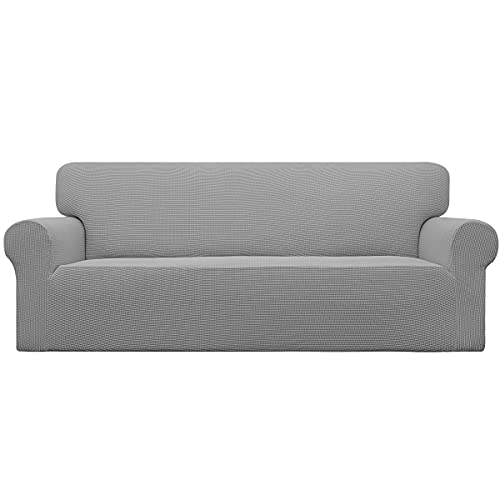
Investing in protective covers is a practical solution to keep your sofa pristine. These removable and washable options serve as a barrier against scratches and stains while adding a layer of comfort.
Regularly trimming your pet’s claws can drastically reduce damage to your seating. A well-groomed cat is less likely to cause deep marks or tears during playtime.
Utilizing furniture sprays designed to repel cats can discourage unwanted scratching. Many of these products use safe ingredients that create an unpleasant scent for cats while remaining harmless to humans.
Creating designated scratching posts nearby can redirect your feline’s energy away from valuable upholstery. Positioning these alternatives closer to your preferred seating area encourages positive habits.
Lastly, covering surfaces with throws or blankets can help absorb potential messes. Easy to wash and replace, these linens not only protect but also bring a cozy aesthetic to your space.


Ways to Safeguard Your Leather Seats from Feline Activities
Regularly apply a high-quality protective spray designed for animal coats. This creates a barrier that makes it harder for scratches and stains to penetrate.
Incorporate a variety of scratching posts and pads throughout your home. Position them near the areas where your pet tends to perch to redirect their attention.
Use double-sided tape on specific spots where your pet likes to scratch. Cats dislike the sticky texture, providing an unpleasant experience that encourages them to avoid those areas.
Establish no-go zones by utilizing pet gates or playpens. This limits access to specific areas that house valuable items, ultimately minimizing potential damage.
Regular grooming sessions are vital. Keeping your pet’s claws trimmed reduces the likelihood of accidental damage to your seating.
Consider incorporating slipcovers or throws, which can easily be washed and replaced. This serves as an additional layer of defense against potential mishaps.
Invest in soft, stylish mats or rugs under seating areas. They can absorb any unexpected spills or scratches while adding to the decor.
Establish a comfortable space for your pet close to your seating. A cozy bed or blanket can attract them and help keep them off your prized possessions.
Choosing the Right Type of Leather for Pet Owners
Investing in the correct material is crucial for anyone with furry companions. My recommendation is to opt for corrected grain or pigmented options. These types are more resilient to stains and scratches, making them highly suitable for homes with pets.
| Type of Material | Durability | Maintenance | Comfort |
|---|---|---|---|
| Corrected Grain | High | Easy | Moderate |
| Pigmented | Very High | Simple | High |
| Aniline | Low | Complex | High |
While aniline options are luxuriously soft and comfortable, they are not ideal for households with pets due to their vulnerability to damage. I would steer clear of this category if you want to maintain the appearance and longevity of your investment.
It’s also worth considering semi-aniline alternatives, which offer a balance between softness and durability. They are less prone to damage yet still provide a reasonable level of comfort. For those with active animals, this could be a fantastic compromise.
Ultimately, choosing the right type means evaluating your lifestyle and the behavior of your pets. Prioritizing durability paired with ease of upkeep ensures that your space remains stylish and functional for many years.
Using Protective Covers for Leather Furniture
Consider investing in quality covers. They shield surfaces while allowing for easy cleaning and maintenance. Look for breathable materials that won’t trap heat or moisture, as this can harm the underlying material over time.
Opt for fitted slipcovers specifically designed for your seats. These offer a snug fit, minimizing movement while your feline friend is around. Ensure the fabric is durable and resistant to scratches.
Add removable, washable throws or blankets to areas frequently occupied by your pets. This not only protects but also adds a layer of comfort for both you and your furry companions.
Choose colors and patterns that blend with existing decor. This way, the protective layers blend seamlessly with your home while serving their purpose effectively.
Regularly wash and maintain these protective layers. This keeps them looking fresh and extends their lifespan, while also maintaining the aesthetic appeal of your space.
Training Your Cat to Avoid Leather Surfaces
Begin by associating a specific area with positive reinforcement. Designate a cozy spot for your feline, complete with soft blankets and toys. Over time, they will naturally gravitate towards this designated space.
Utilize deterrent sprays that are safe for pets. Apply them to the surfaces you’d like to protect, as the scent will create an aversion for your kitty, encouraging them to stay away.
Implement a command or cue, such as “off,” consistently whenever your pet approaches the protected surfaces. Use treats or affection as rewards for complying with the command. This reinforces their understanding of the boundaries you’ve set.
Behavioral training can be enhanced by introducing a clicker. Click and reward immediately when they choose the designated area over the undesired one. Consistency in this process is key to effective learning.
Distraction techniques can work wonders. If you catch your cat in the act, redirect their attention to a scratching post or interactive toy. This shift will help them connect fun with appropriate areas and activities.
Lastly, patience is crucial. Gradually encourage your cat to respect the boundaries you’ve established. With time and consistent training, they’ll develop an understanding that certain surfaces are off-limits.
Implementing Scratching Posts Near Leather Furniture
Place multiple scratching posts in close proximity to the seating. This encourages my feline companions to use them rather than the upholstery.
Choosing the Right Location
- Select spots where my pet frequently lounges.
- Position posts near corners or areas they naturally gravitate towards.
- Avoid isolating the posts; they should be easily accessible and visible.
Enhancing the Appeal
- Opt for posts with varied textures, such as sisal or carpet, to attract interest.
- Engage my feline by sprinkling catnip on the posts regularly.
- Consider furniture that comes with integrated scratching areas to provide convenience.
By creating an appealing environment, I direct their attention away from the more delicate areas and encourage good behavior.
Regular Maintenance and Cleaning of Leather
I recommend establishing a consistent cleaning routine to ensure the longevity of your high-quality seating. Dust surfaces weekly with a soft, dry cloth to prevent dirt accumulation.
For deeper cleaning, use a damp cloth paired with a gentle leather cleaner formulated specifically for this material. Avoid harsh chemicals that can damage the finish. Always test any product on a hidden area first.
Conditioning your items every six months is vital. Choose a conditioner free from dyes and fragrances, which can affect the color and texture. Apply a small amount with a soft pad, buffing it in to maintain suppleness.
For stains, address them immediately. Blot spills with a clean cloth without rubbing, which could spread the stain. If needed, use a specialized stain remover designed for your specific type of material.
Incorporate preventive measures by placing coasters under drinks and using trays for food. This practice avoids accidental spills while enhancing the aesthetic appeal.
Lastly, maintain a controlled environment. Avoid exposing your items to direct sunlight or extreme temperatures. Humidity should be kept at a moderate level, as too much moisture can lead to mold, while too little can cause cracking.
Utilizing Deterrent Sprays for Cats
I highly recommend using deterrent sprays specifically designed for felines. These products emit scents unpleasant to cats while remaining imperceptible to humans. Before applying, always test a small hidden area to ensure that the surface won’t be damaged.
Select sprays containing natural ingredients such as citrus or vinegar; these are often less harsh compared to synthetic options. Apply the spray to areas that your pet frequently approaches or scratches, reapplying as needed, especially after cleaning.
Consistency is key; I found that regular application reinforces the aversion. Additionally, combining these sprays with positive reinforcement methods, such as treats or playtime away from restricted areas, can enhance their effectiveness.
Monitoring your feline’s behavior post-application helps to assess success. If your pet continues to ignore the deterrent, experimenting with different formulations may yield better results. Always keep the environment enriched with alternatives, like scratching posts or toys, to redirect their energy.
For the best protection, consider integrating these sprays into a broader strategy alongside the measures already established. Each approach can contribute to safeguarding your cherished items while ensuring a harmonious living space for both you and your pet.
Creating a Cat-Friendly Environment Away from Furniture
Designate specific areas for your feline to explore and play. Set up a cozy corner with soft bedding, toys, and scratching elements. This encourages your pet to use these spaces rather than the surrounding decor.
Consider using vertical spaces with cat trees or shelves that appeal to their climbing instincts. This provides a thrill for them while keeping them off your prized possessions.
Incorporate interactive play areas with tunnels and hideaways. These spaces can stimulate their natural behaviors and keep them engaged, minimizing their interest in your belongings.
Introduce enticing catnip toys and treats in their designated zone. This can help divert their attention effectively from other areas. Regularly rotate these items to maintain interest and excitement.
Ensure that their essential needs–litter box, food, and water–are in separate spaces from your personal items. This segregation promotes their use of designated areas while reducing the likelihood of them venturing into restricted locations.
Limit access to areas with valuable items by using baby gates or barriers. This not only protects your decor but also provides an indication to your pet about their boundaries within the home.
By creating a stimulating and comfortable environment, I noticed my own cat has been less tempted to engage with surfaces I want to keep safe.