Caleb Turner

Begin with a thorough cleaning of each piece to remove dust and grime, which can lead to deterioration over time. Utilize a damp cloth for wood surfaces, ensuring no moisture accumulates, and consider using a gentle cleaner for fabric. Let everything dry completely before moving forward.
Next, disassemble large components whenever possible. This step simplifies transport and maximizes space. Keep small parts, such as screws and bolts, in labeled bags taped to the furniture, preventing them from going missing.
Wrap items in protective materials. For wooden pieces, use moving blankets to guard against scratches. Plastic wrap is excellent for fabrics; it keeps them safe from moisture and pests. Bubble wrap is ideal for delicate objects, offering cushioning during any movement.


Choosing the right location for your belongings is vital. Elevate items off the floor using pallets, providing airflow and protecting from potential water damage. Ensure the environment is climate-controlled to maintain consistent temperature and humidity levels, preventing warping or mold growth.
Lastly, make a comprehensive inventory of what you’re placing away. Detailed listings with photos serve as an easy reference, ensuring that every item remains accounted for when needed in the future.
Preparation for Safe Keeping
Remove any detachable parts, such as legs or cushions, to create a more compact package and prevent damage during the move. Store these elements in labeled bags to avoid misplacement.
Cleaning and Conditioning
Thoroughly clean each piece with suitable products. For wooden items, apply a high-quality polish or wax, which helps to protect the surface against moisture and dust during the absence of use. For upholstered pieces, a gentle fabric cleaner can alleviate any stains before wrapping.
Protection Against Damage
Wrap items securely using bubble wrap, blankets, or specialized furniture pads. Focus on corners and edges, as these areas are prone to dents and scratches. Avoid plastic wraps for long-term storage, as they can trap moisture and cause mold or mildew.
Clean and Disinfect Your Items
I thoroughly clean all surfaces before placing items away. I use a soft cloth and mild soap solution to wipe down wood and metal parts. For upholstery, I vacuum carefully to remove dirt and dust.
Disinfection Process
To ensure safety, I mix equal parts of water and white vinegar in a spray bottle. I lightly mist non-porous surfaces and wipe them down with a clean cloth. This solution is effective against bacteria and germs without damaging surfaces.
Special Materials Care
For leather, I apply a dedicated leather cleaner or conditioner after regular cleaning. I never soak the material; instead, I use a slightly damp cloth. With glass items, I utilize a glass cleaner for a streak-free finish.
Disassemble Large Items When Possible
Taking apart bulky pieces simplifies the moving and packing process. Begin with those items that have removable parts such as beds, shelves, or tables. For beds, separate the mattress, box spring, and headboard. This not only saves space but also reduces the risk of damage to each component.
For tables, remove legs if possible. Most dining and coffee tables allow for this type of disassembly. Store legs separately and use protective wrap to shield them from scratches. Keep screws and hardware in labeled bags for easy reassembly later.
Always consult the manufacturer’s instructions for specific disassembly techniques. If you no longer have the manual, online resources often provide guidance. Additionally, photograph each step during the process to serve as a visual reference when reconstructing.
After disassembling, wrap each section individually using furniture blankets or bubble wrap. This approach prevents jostling and impact damage during transit. Lastly, consider placing larger flat pieces, like table tops, vertically in the storage area to free up floor space while maintaining stability.
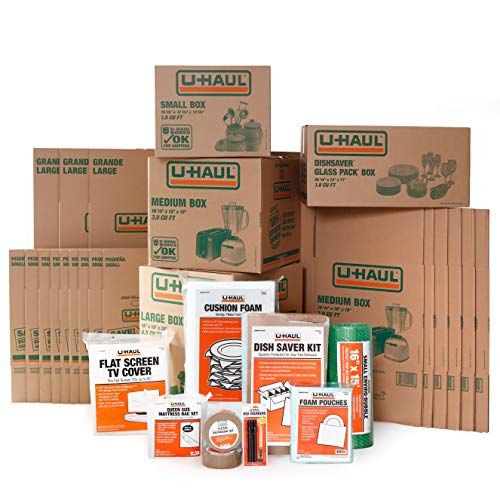
Use Appropriate Packing Materials
High-quality packing materials significantly reduce the risk of damage during transit and while in a holding space.
- Bubble Wrap: Ideal for cushioning fragile surfaces and sharp edges. Wrap glass sections and delicate embellishments individually.
- Moving Blankets: Thick and padded, these are perfect for draping over larger pieces to protect against scratches and dings. Secure with tape to keep them in place.
- Cardboard Boxes: Use sturdy boxes for smaller items. Reinforce the bottom with extra tape to prevent collapsing. Label each box clearly.
- Plastic Wrap: Useful for holding together smaller parts like legs or cushions. It keeps them organized and prevents dust accumulation.
- Foam Sheets: Place between surfaces to avoid scratches. Especially effective for wooden pieces, adding a buffer layer for protection.
I prefer to avoid newspaper, as the ink can smudge and stain surfaces over time. Instead, I use acid-free tissue paper for wrapping items that are particularly prone to scratching.
When securing pieces together, I opt for non-abrasive materials like fabric straps instead of rope or twine, which can leave marks or even damage finishes.
Proper selection of packing materials ensures my belongings remain in pristine condition, ready for use when needed again.
Protect Surfaces from Scratches and Damage
To safeguard the finishes on your items, I recommend wrapping each piece with soft blankets or moving pads. Make sure to cover all exposed surfaces before transportation. This prevents contact with other objects and avoids friction, which can cause scratches.
- Use bubble wrap on more delicate areas, such as corners and edges, to offer extra cushioning.
- Employ plastic stretch wrap around larger pieces to keep coverings secure and prevent shifting during transit.
- Avoid using tape directly on surfaces; instead, secure wraps with ties or additional layers that won’t leave residue.
Store smaller items in boxes and employ crumpled paper or foam inserts to stop them from moving around inside. Label these containers for quick identification later.
Consider placing felt pads under the legs of major pieces. This tactic minimizes potential gouges on your flooring and protects the furniture’s bases during relocation.
Always stack or arrange items with care, ensuring heavier pieces are on the bottom and lighter ones on top. This strategy helps maintain stability and reduces the risk of crushing.
Finally, if the climate is variable, consider using climate-controlled environments to protect against humidity and shifts in temperature, both of which can warp materials or degrade finishes.
Label All Boxes and Components Clearly
I always ensure that every box and individual piece is clearly labeled. This prevents confusion and saves time when unpacking later. Use a bold marker for legibility, and label sides that will be visible, not just the top. This helps when boxes are stacked.
Include Details
In addition to labeling contents, I specify whether the items are fragile or require special handling. This additional information can help anyone involved in the moving or unpacking process to treat the contents carefully.
Color-Coding for Quick Recognition
Employing a color-coding system for different rooms or types of items simplifies the identification process. For example, using blue for kitchen items and green for living room decor can expedite sorting when unpacking.
Choose a Suitable Storage Environment
Selecting the right environment is paramount. Climate-controlled units help regulate temperature and humidity, preventing warping or mold issues. I always check the local weather patterns before deciding on a location.
Temperature and Humidity Control
Opt for spaces maintaining consistent temperatures between 60°F to 75°F (15°C to 24°C). Humidity should ideally stay below 50%. This range will safeguard against moisture damage and insect infestations.
Access and Security Features
Choose a facility that offers secure access. Features like surveillance cameras, gated entry, and personal access codes enhance safety. I prefer locations that provide convenient access hours and are easily reachable for visiting.
| Feature | Benefits |
|---|---|
| Climate Control | Prevents damage from temperature fluctuations and excessive moisture |
| Good Ventilation | Reduces the risk of mildew and stale odors |
| Security Measures | Protects belongings from theft and vandalism |
| Accessibility | Allows for easy visits and checks on one’s items |
Carefully evaluating these aspects ensures that my possessions are in a well-suited and secure environment, minimizing potential risks during their time away.
Check on Your Furniture Regularly During Storage
I set a schedule to inspect items at least every few months. Consistent check-ups help identify issues like moisture buildup, pests, or unexpected odors. I document my findings to track any changes over time.
During each visit, I physically examine the condition of surfaces, ensuring they remain intact and free from damage. If I notice any signs of mildew or pests, I take immediate action–cleaning, treating, or contacting professionals as necessary. This proactive approach keeps my possessions in good shape.
Monitor Temperature and Humidity
I keep an eye on the environment where items are located. Extreme temperatures or high humidity can cause deterioration. If fluctuations occur, I consider using dehumidifiers or climate-controlled units to maintain a stable atmosphere, which is critical for preserving the integrity of valuable belongings.
Reassess Packing Materials as Needed
During inspections, I also evaluate the packing materials used around each piece. If cushioning becomes compressed or boxes weaken, I replace them immediately. This preventive measure safeguards against potential damage and ensures everything remains secure. Regular checks give me peace of mind and help in maintaining my investment.