Caleb Turner
I recommend beginning with a gentle approach to restore the initial charm of your cherished pieces. A soft, lint-free cloth works wonders for dust removal; dampening it slightly can assist in lifting stubborn residues without causing harm. Be cautious with excess moisture, as it may warp delicate surfaces.
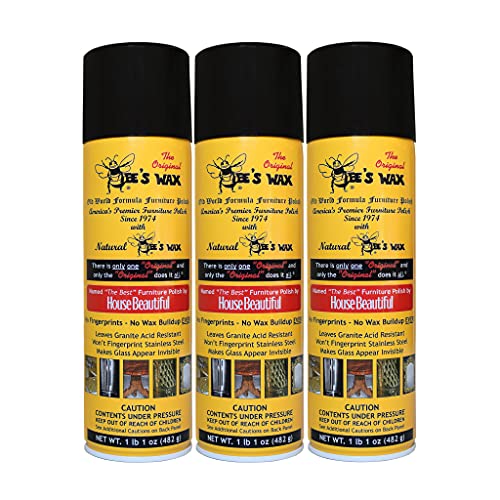
Next, choose a suitable wax or cream formulated specifically for restoration. I personally prefer products that are free from harsh chemicals to maintain the integrity of the finish. Apply a thin layer with a soft cloth, using circular motions to ensure even coverage. This technique not only enhances the visual appeal but also creates a protective barrier against future wear.
Afterward, allow the applied substance to sit for a few minutes before buffing it with a clean, dry cloth. This step brings out a natural sheen, reviving the beauty of the craftsmanship. Regular maintenance using this method can greatly prolong the life of your beloved wooden items and keep them looking exquisite.
Steps to Renew Classic Craftsmanship
Use a mixture of equal parts olive oil and white vinegar. Apply it with a soft cloth to revive the natural beauty.

Start in a discreet area to test the mixture. Wipe gently in the direction of the grain to enhance shine without damaging the surface.
After applying the mixture, let it rest for approximately 15 minutes. This allows the ingredients to penetrate and nourish the material.
Gently buff the surface with a clean, dry cloth. This brings out the luster and removes any excess residue.
For a deeper clean, consider using a fine paste of baking soda and water. Apply sparingly and rinse promptly to prevent any potential harm.
- Maintain consistent care; dust regularly with a microfiber cloth.
- Keep away from direct sunlight to prevent fading and cracking.
- Avoid harsh chemicals that can strip protective finishes.
Recapture the elegance of your classic pieces by following these straightforward steps consistently for the best results.
Identify the Type of Wood Finish
Begin with a close examination of the surface. If it feels waxy or greasy to the touch, it’s likely a wax finish. In this case, use a soft cloth to apply a mild cleaner followed by a new layer of wax. For lacquer finishes, look for a hard, shiny surface that can often be scratched with a fingernail. A solvent-based lacquer thinner can be used to gently clean the surface without damaging it.
Recognizing Other Finishes
For oil finishes, such as tung or linseed oil, the surface may appear matte and have a more natural feel. These types can be rejuvenated by applying additional oil directly. If you discover a polyurethane finish, it’ll have a smooth and shiny look, often resisting water. Cleaning with a mild soap and water solution is usually sufficient for upkeep.
Testing for Finish Type
If unsure about the finish type, perform a small test in an inconspicuous area. Applying a little mineral spirits can help identify a varnish or lacquer; if the finish softens or becomes tacky, it’s likely one of these. This test will guide you in choosing the proper treatment without risk to the overall piece.
Gather Necessary Cleaning Supplies
For optimal results, gather the following items:
| Item | Purpose |
|---|---|
| Soft Cloths | Use for gentle wiping and buffing surfaces. |
| Mild Soap | Ideal for creating a gentle cleaning solution. |
| Wood Conditioner | Prepares the surface and enhances longevity. |
| Beeswax or Natural Wax | Provides a protective layer and adds luster. |
| Microfiber Cloth | Effective at trapping dust without scratching. |
| Soft Brush | Useful for reaching crevices and details. |
| Water | Required for diluting cleaning agents. |
Avoid abrasive cleaners or harsh chemicals to prevent damage. Gather these tools ahead of time to ensure a smooth process.
Test a Small Area for Compatibility
I recommend selecting an inconspicuous spot for the initial test, ideally on the back or underside of the piece. Apply a small amount of your chosen cleaning product or solution with a soft cloth, gently rubbing in a circular motion.
After a few moments, observe the area for any adverse reactions, such as discoloration or lifting of the finish. If there are no negative effects after 10-15 minutes, it’s likely safe to proceed with the entire surface.
Ensure that the tested area dries completely to assess the final appearance accurately. This method helps prevent potential damage while retaining the integrity of the classic design.
If the initial test shows undesirable results, refrain from using that particular cleaner. Instead, seek alternative products specifically designed for older surfaces, and repeat the testing process.
Apply Polish Using Proper Techniques
Begin with a clean, lint-free cloth for application. Avoid using paper towels, which can scratch surfaces. Dampen the cloth slightly with the chosen formula, ensuring it’s not dripping wet.
Technique for Application
Work in small sections, applying the solution in circular motions. This method encourages even distribution and helps to avoid streaks. Allow the mixture to penetrate for a few minutes before buffing it out with a clean, dry cloth, enhancing the sheen.
Final Steps
After buffing, inspect the surface for any missed areas. Repeat the process if necessary, focusing on uneven spots. Regular touch-ups can maintain the brilliance and safeguard against dust and moisture.
Address Scratches and Minor Damage
I recommend using a high-quality furniture repair marker or wax stick matched to the original finish to efficiently fill in scratches. Apply a small amount directly onto the affected area, and then gently buff with a soft cloth to blend it with surrounding surfaces.
For Deeper Scratches
If the scratches are deeper, consider using wood filler. Choose a shade closest to the original shade of the piece. After applying the filler according to the manufacturer’s instructions, sand it lightly with fine-grit sandpaper once it dries. Follow up with a coat of clear finish compatible with your item’s surface to maintain uniformity.
Preventative Measures
<pTo avoid future damage, place felt pads under objects that may scratch the finish and regularly dust with a soft cloth. Additionally, keeping items out of direct sunlight will help preserve the integrity and appearance of the surface.
Maintain Your Furniture After Polishing
To ensure the longevity of your refinished pieces, I recommend applying a protective wax or a suitable sealant every few months. This creates an additional barrier against dust and moisture, preserving the finish.
Regular Dusting
Dust is a frequent enemy of shiny surfaces. Use a soft microfiber cloth weekly to gently wipe away any particles. Avoid abrasive tools to prevent scratches.
Control Humidity and Temperature
Keep your space at a stable temperature and humidity level. Sudden changes can lead to cracking or warping. A humidifier or dehumidifier can help maintain an ideal environment.
Place coasters under drinks and avoid exposing surfaces to direct sunlight to avert fading. If spills occur, clean them immediately with a damp cloth, followed by drying the area thoroughly.
Inspect your pieces regularly for any signs of wear. Address any scratches or damage promptly to prevent them from worsening. Minor marks can often be hidden using a matching touch-up pen or color-matched wax fill.
Lastly, limit the amount of heavy items stored or placed on these surfaces, as they can cause indentations or uneven wear over time.