Caleb Turner
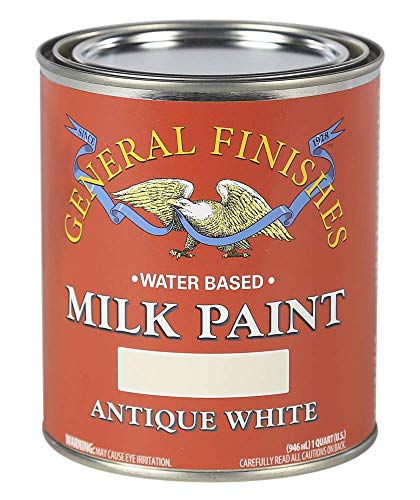
For achieving a beautiful, weathered look on your beloved items, I recommend mixing equal parts of water and your chosen hue of acrylic or chalk substance. This solution provides the perfect blend for an effortless application across various surfaces. Using a natural bristle brush, gently apply the mixture in long, sweeping motions to ensure an even distribution.
Allow each coat to dry fully before adding additional layers for depth. If you desire a more rustic appearance, consider lightly sanding the edges once the final layer is dry; this creates a stunning contrast against the base tone. To seal your work and enhance durability, finish with a clear matte or satin coating.
Additionally, be mindful of the environment in which you work. Adequate ventilation is key, so choose a well-ventilated area or use a mask if you’re sensitive to fumes. There’s an art to the balance between simplicity and detail in this process, so take your time and enjoy the transformation of your items.


Techniques for Achieving a Distressed Look
For a rustic vibe, I recommend using a dry brush technique. This involves dipping a clean brush in your chosen finish and wiping off excess paint on a rag. Lightly dragging the brush over the surface highlights edges and details without overpowering the piece.
Materials Needed
| Item | Purpose |
|---|---|
| Fine-grit sandpaper | To create a smooth base and distress edges |
| Brushes | For applying the finish and highlighting texture |
| Rags | To wipe off excess and blend layers |
| Sealant | To protect the final layer and enhance durability |
Step-by-Step Process
Begin by preparing the surface with sandpaper to remove any old finish and create a smooth foundation. After ensuring everything is clean, apply a base coat using a standard application method, allowing adequate drying time between coats.
Once dry, take your brush and lightly dip it into your second color; remember to remove excess. With a gentle hand, accentuate the smallest details like knobs and corners. Follow up with a sealant to preserve and protect your style.
Selecting the Right Paint for Wash Furniture
Opt for water-based acrylics to ensure flexibility and ease of cleanup. These types dry quickly and offer a range of finishes, from matte to glossy, allowing customization for your piece.
Key Factors to Consider
- Compatibility: Make sure the chosen color adheres well to the existing surface materials.
- Durability: Select finishes designed for surfaces that endure wear and tear.
- Sheen Level: Low-sheen provides a more vintage look, while higher sheen reflects light for a modern touch.
- Color Purity: Test samples to ensure the shade aligns with your vision under different lighting conditions.
Types of Products
- Chalk-Based: Great for a soft, matte appearance, but may require sealing for protection.
- Milk Paint: Offers a natural finish with eco-friendly properties, ideal for a rustic vibe.
- Latex Variants: Provide good coverage and washability, suitable for high-traffic areas.
Testing the selected product on a small, inconspicuous area will help avoid any unexpected results. This step allows adjustments before committing to the entire piece.
Preparing Your Furniture for Painting
Cleaning the surface is my first action; I use a mixture of warm water and mild soap to remove dirt and grease. It’s crucial to ensure a smooth application later. After cleaning, I thoroughly rinse and let it dry completely, preventing any moisture from affecting the outcome.
Next, I examine the surface for imperfections. Any scratches, dents, or old finishes must be addressed. I lightly sand these areas with fine-grit sandpaper to create an even surface, which enhances adhesion. Following sanding, I wipe again with a damp cloth to eliminate dust generated during this process.
For a successful finish, I apply a primer suitable for the material involved. Using a quality brush or roller ensures an even application. It’s significant that the primer dries according to the manufacturer’s instructions before moving on to the next step.
Finally, I tape off areas that shouldn’t be coated with my chosen medium. This includes hardware and edges against other surfaces. Taking the time to cover these areas protects my work from unintended splashes and ensures clean lines.
Applying the Wash Technique Step-by-Step
Prepare a mix of paint and water in a container, aiming for a ratio of about 1 part paint to 2 parts water. The consistency should resemble that of a heavy tea.
First Coat Application
Using a wide, flat brush, apply the first coat generously in the direction of the grain. Start from a corner and work your way across the surface, ensuring even coverage. Avoid overloading the brush to prevent drips.
Blending and Finishing Touches
While the first layer is still damp, take a clean rag or sponge and gently wipe away excess material. This technique softens the finish and highlights the texture beneath. Allow the layer to dry completely before assessing if a second coat is necessary. If you desire a deeper effect, repeat the mixing and application as detailed.
Choosing the Right Brushes and Tools for Wash Painting
I prefer using synthetic brushes for applying the diluted hue because they hold water well and offer a smooth application. Flat brushes are particularly effective for broad surfaces, while round brushes provide better control for detailed areas. A 1-2 inch flat brush is my go-to for larger sections, while a smaller round brush works well for intricate parts and edges.
For those wanting to achieve texture, a sponge or a rag can create a unique effect. Simply dab the sponge or rag into the mixture and lightly apply it, resulting in a more distressed look. Disposable paint trays and high-quality painter’s tape are also recommended to keep edges clean and prevent drips.
Additional Tools to Consider
A water container is essential for rinsing brushes between colors or dilutions. I also keep a palette knife handy for mixing the medium accurately. A spray bottle filled with water helps keep surfaces moist during the process, making blending easier. Lastly, don’t forget a drop cloth to protect the surrounding area from spills and splashes.
Care and Maintenance of Brushes
After completing the task, it’s vital to clean the tools properly. I rinse synthetic brushes with warm soapy water immediately to maintain their shape and functionality. For sponges and rags, a quick wash with soap ensures they remain in good condition for future projects. Storing brushes upright and separate from one another prevents bristle damage, prolonging their lifespan.
Sealing and Protecting Your Wash Finished Furniture
Using a quality sealant is crucial for maintaining the longevity of your transformed pieces. I recommend applying a water-based polyurethane, which dries clear and provides durable protection without altering the original appearance.
- Choose the right type: Select a product specifically designed for interior surfaces to ensure compatibility with your technique.
- Application tools: Utilize a high-quality synthetic brush or foam applicator for a smooth finish. Avoid natural bristle brushes, as they may leave brush marks.
- Thin layers: Apply multiple thin coats rather than one thick layer. This approach minimizes the risk of drips and runs.
- Drying time: Allow each coat to dry completely before adding another. This ensures proper adhesion and creates a more resilient barrier.
For areas with heavy use, consider adding an extra layer of protection. I like to finish with a soft wax after the sealant has cured for additional moisture resistance and a subtle sheen.
- Apply the sealant with even strokes, following the grain of the surface.
- Lightly sand between coats using fine-grit sandpaper to enhance adhesion.
- Once finished, allow the final layer to cure for several days before introducing heavy use.
Regular maintenance also helps keep your items looking fresh. Wipe down surfaces with a damp cloth and avoid any strong cleaners that could damage the sealant. By taking these steps, my revitalized pieces remain beautiful and functional for years to come.
Maintaining Your Wash Furniture Over Time
Regular cleaning is key. I use a soft cloth dampened with mild soap and water to wipe surfaces gently. Avoid harsh chemicals that can damage the finish. After cleaning, I always dry the surface thoroughly to prevent moisture damage.
Inspect for any wear or scratches periodically. If I notice minor scratches, I touch them up with a small amount of the original finish to keep the appearance consistent. For deeper scratches, sanding lightly around the area and reapplying the finish ensures it blends seamlessly.
Conditioning the Finish
I apply a light coat of furniture wax or oil every six months. This step rejuvenates the protective coating while enhancing the visual appeal. I buff the surface with a soft cloth, ensuring an even layer.
Environmental Considerations
Keeping the piece away from direct sunlight and humidity helps to preserve its condition. I use coasters and placemats to prevent heat and moisture damage from everyday use. Every few months, I evaluate its environment to ensure it remains protected.
FAQ:
What materials do I need to paint wash furniture?
To paint wash furniture, you will need a few key materials. Start with a piece of furniture to work on, ideally made of wood or a similar material. You will also need a good quality water-based paint or chalk paint for the base color. Additionally, prepare a clear topcoat for protection. Tools such as paintbrushes, a sponge or rag, a palette for mixing, sandpaper, and a drop cloth to protect your workspace are essential as well. Don’t forget to have water and a container for cleaning brushes on hand.
How do I achieve a wash effect while painting?
To achieve a wash effect, begin by mixing your paint with water. A typical ratio is about one part paint to one part water, but you can adjust this for a more translucent look. After mixing, apply the paint using a brush or a sponge, ensuring even coverage. Wipe away excess with a clean rag to create the desired transparency. You can layer multiple washes for depth. Allow each layer to dry before adding another to keep the colors distinct and avoid muddying.
Can I use any type of paint for a wash finish?
While you might be tempted to use any paint for a wash finish, it’s best to stick with water-based paints or chalk paints. These types of paints are more workable when diluted and provide better adhesion on surfaces such as wood. Oil-based paints tend to be thicker and may not achieve the desired wash effect as easily. Always test your chosen paint on a small area first to see how it adheres and the effect it gives.
What are the steps to prepare furniture for a wash treatment?
Preparing furniture for a wash treatment involves several steps. First, clean the surface thoroughly to remove any dirt, grease, or old finish. If the furniture has a glossy finish, lightly sand the surface to help the paint adhere better. Next, fill any holes or imperfections with wood filler, and allow it to dry before sanding it smooth. Lastly, wipe down the furniture with a damp cloth to remove dust created from sanding, and let it dry completely before applying the paint wash.
How can I protect my painted wash furniture?
To protect your painted wash furniture, applying a clear topcoat is highly recommended. A water-based polyurethane is a great option as it provides durability without altering the appearance of your wash finish. After the painted surface has dried completely, brush on or spray the topcoat in thin layers, allowing adequate drying time between coats. This will help guard against scratches, stains, and moisture, extending the lifespan of your beautifully washed furniture.
What materials do I need to wash a piece of furniture?
To wash a piece of furniture, you will need a few essential materials: a soft brush or sponge for applying the wash, a clean cloth for wiping off excess product, sandpaper for surface preparation, and water-based paint or a specially formulated furniture wash. Additionally, you may need a paint tray for easier application and some painter’s tape to protect areas that you don’t want to paint. Make sure to have a drop cloth or old newspapers to protect your work surface from spills.
How do I prepare the furniture before applying a wash technique?
Preparing your furniture is key to achieving a smooth finish with the wash technique. Start by cleaning the piece to remove any dust, grease, or previous finishes. If the surface is glossy, lightly sand it using fine-grit sandpaper to create a texture that the wash can grip onto. Wipe away any dust after sanding. You can also apply a primer if the furniture is made of raw wood or has a darker color that might bleed through. Allow everything to dry completely before applying the wash.