Caleb Turner
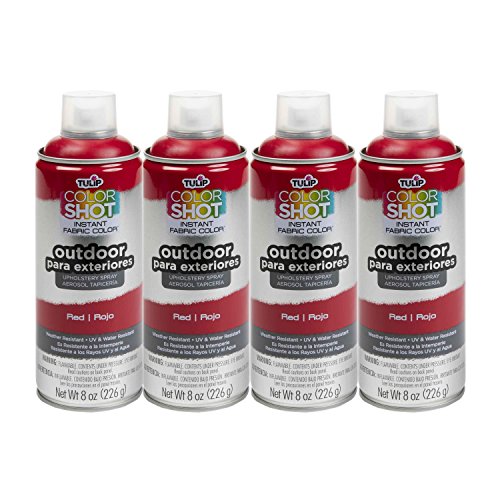
Begin with a thorough cleaning of the surface to ensure optimal adhesion. Use a vacuum cleaner or a brush to eliminate dust and debris from the fabric. This step is critical as it prepares the texture for a new appearance without imperfections.
Utilizing a specific primer designed for textiles is a wise choice. This primer will create a strong bond between the old fabric and the new layer, preventing peeling or chipping over time. Apply it evenly using a foam roller or brush for the best results.
Once the primer dries, selecting a robust coating that suits your desired finish is essential. Options such as acrylic or specially formulated textile paint are ideal, offering durability while maintaining flexibility. Using a sprayer can provide an even distribution, but a brush or roller works well for more detailed areas.
After applying the new color, allow it to cure properly. Patience during this final stage ensures a lasting transformation that resists wear and enhances your living space. Embrace the new look, and enjoy the refreshed aesthetic of your beloved pieces!


Revitalizing Textiles with a Refreshing Coating
For transforming your textile pieces, I recommend using a high-quality fabric medium mixed with acrylic paint. This combination ensures flexibility and adhesion, preventing cracks during use. Choose shades that resonate with your desired aesthetic while ensuring they complement existing decor.
Preparation Steps
Begin by thoroughly cleaning the surface to eliminate dust and oils that could hinder adhesion. Lightly sand the fabric if it’s particularly glossy, as this creates texture for better grip. Use a lint roller afterwards to remove any residual fibers.
Application Techniques
Utilize a foam roller or a soft brush for even coverage. Apply multiple thin coats instead of one thick layer to avoid stiffness and maintain the fabric’s softness. Allow adequate drying time between layers, following the manufacturer’s instructions closely for optimal results. After the final coat, seal the surface with a textile sealer to enhance durability.
Choosing the Right Paint for Upholstered Fabrics
I recommend selecting a specially formulated fabric coating that allows flexibility, ensuring it adheres well without cracking. Look for products labeled as suitable for textiles or soft surfaces, and consider options like acrylic-based sprays or fabric mediums blended with regular acrylics.
Testing is crucial. Always conduct a small patch test in an inconspicuous area before applying to the entire piece. This helps gauge adherence, color, and finish.
Consider the texture of the material. For smoother fabrics, a spray application often works best, while thicker or heavily textured materials may require a pouncing method with a sponge or brush to get into the nooks effectively.
Choosing a color is also key. Selecting lighter shades can brighten up a space, while darker colors often hide stains better. Keep in mind how pigments may appear differently once dry; consulting a color swatch can be helpful.
Lastly, think about the topcoat. A clear sealant designed for fabrics can provide an added layer of protection against wear and spills. Always ensure compatibility with your chosen base coat to maintain the desired finish.
Preparing the Furniture for Painting
Remove all cushions and detachable parts. This step prevents areas from being overlooked and ensures an even application across solid surfaces. Vacuum thoroughly to eliminate dust, dirt, and crumbs–these can interfere with adhesion. I recommend using a brush attachment for reaching into seams.
Cleaning the Fabric
After vacuuming, treat any stains or spots with a suitable cleaner based on the fabric type. Test cleaners on a hidden area first to ensure no damage occurs. Allow the fabric to dry completely before proceeding.
Protecting Surrounding Areas
Cover the floor and nearby objects with drop cloths or plastic sheeting. Secure these coverings with painter’s tape to prevent slips. If working outdoors, check the weather forecast to avoid unexpected rain or humidity that could hinder the process.
Use painter’s tape to mask any regions that shouldn’t get coated. Be meticulous with this–clean lines will significantly enhance the final look. I also suggest putting on gloves and a mask for safety.
Once everything is prepped, you’re set to move on to the application stage. Focus now on ensuring that the materials you choose conform to the fabric’s needs for optimal results.
Applying Primer for Better Adhesion
For optimal results, using a quality primer is critical. Choose a bonding primer specifically designed for fabric surfaces. This type of primer enhances adhesion, ensuring that the final coating adheres well and lasts longer.
Application Technique
Use a spray canister or a foam roller to apply the primer evenly. Start from the top and work your way down to avoid drips. Ensure each section is coated thoroughly before moving on. Aim for a light and even layer, allowing it to dry completely according to the manufacturer’s instructions.
Surface Preparation
Before priming, clean the fabric to remove any dust or oils. A solution of mild soap and water can be effective. After cleaning, allow the fabric to dry completely. This step ensures the primer adheres properly and prevents peeling or flaking later.
Selecting the Proper Tools for Painting
Begin with high-quality brushes and rollers. A foam roller works best for smooth application and coverage, while a tapered brush enables precision on seams and edges. Opt for a variety of sizes to adapt to different areas.
Essential Equipment
- <strong.Paint Sprayer: If tackling larger sections, a paint sprayer accelerates the process and provides an even coat.
- <strong.Tray and Liners: A paint tray keeps supplies organized and prevents spillage. Using liners simplifies cleanup.
- <strong.Drop Cloths: Protect surrounding surfaces from potential spills and splatters.
- <strong.Sponge Brushes: Perfect for padding and smoothing out paint, especially on textured fabrics.
Additional Tools
- <strong.Painter's Tape: This ensures clean lines, especially around buttons or seams.
- <strong.Sanding Block: Lightly sand the surface before applying any primer to enhance adhesion.
- <strong.Spray Bottles: A misting bottle can be used to dampen fabric, allowing the paint to absorb better.
- <strong.Heat Gun or Hair Dryer: Use to accelerate drying times, particularly between coats.
Having the right tools significantly impacts both the application process and the final outcome. Invest in quality items to ensure durability and a professional look.
Techniques for Evenly Applying Coating
I always prioritize achieving a smooth and consistent finish. One of the key techniques involves using a high-density foam roller, which minimizes texture and prevents clumping. For corners and detailed areas, I rely on a quality synthetic bristle brush to get into the nooks.
Layering Approach
I apply multiple thin layers rather than one thick coat. This technique allows better adhesion and faster drying. I typically wait for each layer to dry completely, which can take about 30 minutes to an hour, depending on the specific medium and environmental conditions.
Consistent Motion and Pressure
Using a steady hand and even pressure is crucial. I make sure to work in small sections, applying in one direction. After I complete a section, I lightly feather the edges toward the next section to minimize visible lines and overlaps.
| Technique | Description |
|---|---|
| Foam Roller | Ideal for smooth surfaces, reduces texture. |
| Synthetic Brush | Great for detailed areas and edges. |
| Thin Layers | Multiple coats ensure a polished finish. |
| Steady Motion | Consistent application helps prevent drips. |
This structured approach guarantees that I can achieve the desired appearance and longevity of the finish. By adhering strictly to these methods, I minimize the chances of imperfections and ensure a professional outcome.
Sealing the Paint for Durability
To ensure long-lasting results after applying color to your soft surfaces, I recommend using a quality sealer specifically designed for fabric applications. Look for products that provide a protective finish while maintaining the flexibility of the underlying material.
Choosing the Right Sealer
Select a clear sealer that is compatible with your chosen color medium. Water-based sealers tend to dry clear and can protect against stains and wear without altering the appearance. Ensure that the sealer offers UV protection to prevent fading from sunlight.
Application Process
Once the color layer has fully dried, apply the sealer in light, even coats using a spray bottle or a soft brush. Allow adequate drying time between each layer, typically 1-2 hours, depending on the product’s instructions. After the final coat, let the entire surface cure for at least 24 hours before using it to achieve the best results.
Regularly inspect the protected area for wear or damage. If necessary, reapply the sealer annually to maintain its protective qualities and keep the look fresh.
Tips for Maintaining Painted Upholstered Items
Regular cleaning is crucial. Use a damp cloth to wipe the surface gently; avoid soaking the fabric. For deeper stains, mix mild soap with warm water and apply lightly.
Protecting the Surface
- Consider a protective spray to shield against spills and dirt.
- Avoid exposing to direct sunlight to prevent fading.
- Use throw blankets or decorative cushions to reduce wear in high-traffic areas.
Addressing Wear and Tear
- For small scratches or scuffed areas, a touch-up of the coating may suffice.
- If the finish begins to crack, lightly sand the area and apply a new layer of your chosen coating.
- Inspect periodically for any signs of damage and act quickly to repair.
Avoid harsh chemicals or abrasive cleaners, as they can damage the surface. Stick to gentle solutions and always test in an inconspicuous area first. Regular maintenance helps keep your transformed items looking fresh and vibrant for years.
FAQ:
What materials do I need to paint upholstered furniture?
To paint upholstered furniture successfully, you’ll need a few key materials. First, choose an appropriate fabric paint that adheres well to upholstery. Additionally, gather supplies such as a foam brush or spray gun for application, painter’s tape to protect areas you don’t want to paint, and drop cloths to protect your flooring. You may also require a cleaning solution to prep the fabric and a clear sealer to finish. Lastly, have some old rags on hand for any spills or touch-ups.
Can I use regular paint on upholstered furniture?
Regular paint is generally not suitable for upholstered furniture, as it may crack or peel when the fabric is stretched or used. Upholstery paints are specifically formulated to bond with fabric fibers, ensuring flexibility and durability. If using regular paint is your only option, consider mixing it with a fabric medium to improve adhesion, but test it on a small area first to see if the results are acceptable.
How do I prepare my upholstered furniture for painting?
Proper preparation is key to achieving a good finish on upholstered furniture. Start by cleaning the fabric thoroughly to remove dirt, oils, and stains. You can use a fabric-safe cleaner and a soft cloth or brush. Once dry, lightly sand the surface if needed to create a better grip for the paint. Next, use painter’s tape to mask off any parts you don’t want to paint, such as wooden legs or hardware. Ensure the area is well-ventilated and cover the floor with drop cloths to catch any drips.
How long does it take for painted upholstery to dry?
Drying times for painted upholstery can vary based on factors like the type of paint used, the thickness of the application, and environmental conditions such as humidity and temperature. Generally, most upholstery paints will be touch dry within 1-2 hours, but you should allow at least 24 hours for the paint to fully cure. Follow the manufacturer’s instructions for specific drying times, and remember that applying a sealer afterward may also affect the overall drying process.
Can I wash upholstered furniture after painting it?
After painting upholstered furniture, it’s best to avoid washing it for at least a few weeks to ensure the paint has fully cured. Once cured, you can gently clean the fabric; however, it’s advisable to use a sponge or damp cloth rather than a washing machine or soaking the item. For tougher stains, consider spot cleaning with a fabric-safe detergent. Always refer to the paint manufacturer’s care instructions to maintain the finish and avoid damaging the newly painted surface.
What materials do I need to paint upholstered furniture?
To successfully paint upholstered furniture, you will need several key materials. First, select a fabric paint that is designed for upholstery, as this will adhere better and provide a durable finish. You will also need a quality primer that can prepare the fabric for painting. Gather a paintbrush or a spray gun, depending on your preference for application. For cleaning, have mild soap and water on hand to wipe the fabric before you begin. Additionally, soft rags, painter’s tape, and a drop cloth to protect surrounding areas will be helpful.
Can I really paint my fabric sofa, and how long will it last?
Yes, you can paint your fabric sofa, but the outcome depends on a few factors, including the type of paint used and how well you prepare the fabric before application. Fabrics made from synthetic fibers like polyester or nylon tend to react better to fabric paints. If you follow the instructions carefully and use a quality paint designed for upholstery, the finish can last for several years. However, high-traffic areas may wear more quickly, so consider using a fabric sealant afterward for added protection. Regular cleaning and maintenance will also extend the life of the painted surface.