
 Caleb Turner
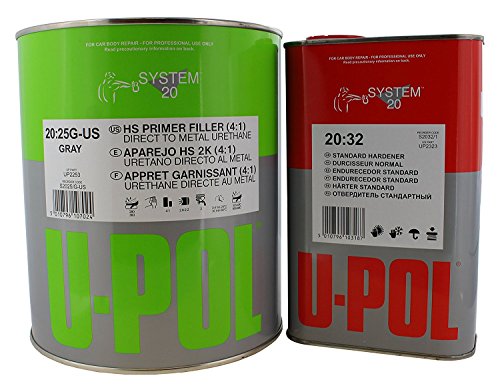
Choose a high-quality primer designed for exterior surfaces to ensure durability and adherence. I found that applying a base coat not only enhances the finish but also protects against moisture and UV damage.
Prepare the surface meticulously by sanding any rough spots to achieve a smooth texture. This step is crucial; it allows the primer and top coat to grip better, resulting in a longer-lasting appearance. I typically use a medium-grit sandpaper followed by a fine-grit finish for optimal smoothness.
Selecting the right top coat can significantly affect the lifespan and aesthetic of your project. A satin or semi-gloss finish works well in outdoor settings, reflecting light without appearing too shiny. I prefer products specifically formulated for exterior use, as they provide enhanced resistance to fading and wear.
Finally, consider the optimal conditions for application–ideally a dry, calm day with temperatures between 50°F and 85°F. This ensures the materials adhere properly and dry evenly. My experience shows that patience during drying times pays off with a professional-looking result.
Preparing Surfaces for a Fresh Look
I begin by ensuring the surfaces are clean and free from debris. A mixture of warm soapy water and a soft brush effectively removes dirt and mildew. After scrubbing, I rinse thoroughly and let it dry completely before proceeding.


Choosing the Right Products
Selecting high-quality exterior-grade coatings is crucial. I opt for options that resist fading and weathering, ensuring longevity. Always check for compatibility with previous coatings on the pieces being refreshed.
Application Techniques
<p Using a brush or a roller depends on the design of the piece; fine details often benefit from a brush. I apply thin, even layers to prevent drips and achieve a flawless finish. Allow each coat to dry fully before applying the next.
Finishing Touches
<p After the final coat, I inspect for imperfections and sand lightly if needed. A clear sealant can be added for additional protection against the elements. This extra layer enhances durability and keeps the appearance fresh longer.
Selecting the Right Type of Paint for Outdoor Use
For surface treatment that endures weather elements, choose a high-quality exterior-grade acrylic latex or an oil-based option. Acrylic latex formulations offer flexibility and resistance to fading, while oil-based varieties provide excellent adherence and durability.
Below is a table comparing the two main types of coatings:
| Type | Advantages | Disadvantages |
|---|---|---|
| Acrylic Latex |
|
|
| Oil-Based |
|
|
For added protection, consider a primer designed for exterior applications. This step improves adhesion and enhances the longevity of the finish.
Be mindful of color selection; lighter shades reflect sunlight while darker tones absorb heat, potentially leading to peeling or damage over time. Always verify compatibility with the existing surface material to ensure optimal results.
Preparing Wooden Items for Coating: Sanding and Cleaning
Begin with sanding to remove old finishes and smooth the surface. I recommend using medium-grit sandpaper (around 120 grit) initially, followed by fine-grit (220 grit) for a polished finish. Always sand in the direction of the grain to avoid scratches. For intricate areas, a sanding sponge or detail sander may be more effective.
Cleaning the Surface
After sanding, wipe down the surfaces with a damp cloth to remove dust and debris. Ensure the wood is completely dry before proceeding. For deeper cleaning, use a mixture of water and mild soap. Rinse thoroughly and dry the area with a clean towel. This step is crucial for achieving good adhesion of the finish.
Final Preparation
Inspect the surface for any remaining imperfections, such as deep scratches or cracks. Fill imperfections with wood filler if necessary and sand again once it’s dried. With a clean, smooth surface, you’ll ensure better coverage and durability of the final coating.
Applying Primer: Importance and Best Practices
Using primer is a non-negotiable step for achieving a reliable finish. It enhances adhesion, ensuring your topcoat bonds better to the surface. This not only prolongs the life of the finish but also provides a more uniform appearance. Apply a high-quality exterior primer specifically designed for the material to achieve optimal results.
Before application, ensure that the surface is clean and dry. I typically use a brush or roller to apply the primer, making sure to cover all areas evenly. Pay attention to edges and joints, as these spots may be more prone to wear. If the furniture has been previously painted or stained, sanding those areas can improve primer adherence.
Allow the primer to dry completely according to the manufacturer’s instructions before proceeding with the finish coat. This step is vital; skipping it can lead to chipping and peeling as the weather changes. If your project requires it, a light sanding between primer and finish can provide even better adhesion.
Choosing the Right Tools for Painting Wood Furniture
Prioritizing the right tools significantly enhances the outcome of your project. I recommend gathering the following items:
- <strong.Brushes: Opt for high-quality synthetic brushes, ideally with angled edges for precision. A 2-3 inch brush works well for larger surfaces.
- Rollers: A smooth-surface roller can speed up the application on flat areas. Choose one with a short nap for even coverage.
- Sprayers: For a smooth finish, consider a paint sprayer, especially for intricate designs. Ensure appropriate safety gear when using one.
- Sandpaper: A range from 120 to 220 grit is necessary for prepping surfaces. Fine-grit is best for smoothing after the initial sanding.
- Drop Cloths: Protect surrounding areas with durable drop cloths. This minimizes cleanup and prevents accidental staining.
- Masking Tape: Use a quality tape to cover edges and prevent bleed, achieving sharper lines for a clean finish.
- Paint Tray: A sturdy tray helps in ease of use, making the process efficient for rollers and brushes alike.
- Clear Sealer: After the application, a clear coat adds durability. Select a sealer appropriate for your chosen finish.
By assembling these essential tools, I can ensure quality results and a smoother process throughout the task.
Techniques for Smooth and Even Application
To achieve a flawless finish, I always recommend using a high-quality brush or a foam roller for applying the coating. The brush is ideal for intricate areas, while the roller covers larger surfaces efficiently.
Prior to starting, I lightly mist the surface with water if using water-based substances. This technique helps in enhancing adhesion and reducing absorption. I find that working in manageable sections makes the process smoother and more controlled.
Applying thin layers is crucial. I begin with a light coat, allowing it to dry completely before adding the next. This not only prevents drips but also ensures an even color distribution across the surface.
While working, I maintain a wet edge. This means overlapping slightly with the previously painted area to avoid lap marks. It’s a simple yet effective trick that delivers consistency.
For hard-to-reach spots, I use a smaller brush to ensure comprehensive coverage without sacrificing quality. My aim is to avoid brush strokes, so I make long, even strokes in the direction of the grain.
After the final layer dries, I lightly sand the surface with fine-grit sandpaper to eliminate any imperfections. This can be followed by applying a clear sealant for added durability and shine.
Maintaining Painted Outdoor Furniture for Longevity
Regular upkeep is essential. First, inspect your pieces at least twice a year. Look for signs of chipping or fading, as addressing these issues promptly prevents further deterioration.
Cleaning Routine
Utilize a mild soap solution and a soft brush to clean surfaces. Avoid harsh chemicals that can strip finishes. After cleaning, rinse thoroughly and allow items to dry completely before storing or using them.
Touch-ups and Protection
For minor scratches, a quick touch-up with matching color can keep the finish looking fresh. Additionally, apply a protective sealant every couple of years to enhance durability. This layer will resist moisture and UV damage, ensuring charm and functionality for seasons to come.
Storing during extreme weather conditions prolongs lifespan. Keep them under cover or inside when possible. This simple action can prevent wear and keep aesthetics intact.


