
 Caleb Turner
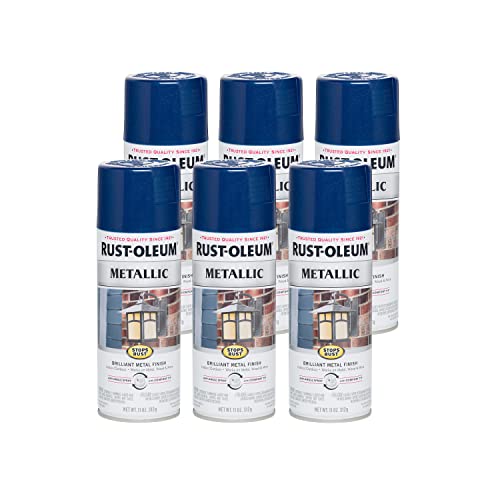
Prepare the item by thoroughly cleaning it. A mixture of mild soap and water works wonders to remove dust and grease. Rinse with clean water and let it dry completely before any coating application.
Select a high-quality primer specifically designed for non-porous surfaces. Apply an even layer using a brush or a spray for a smooth finish. Allow it to cure as per the manufacturer’s instructions to ensure optimal adhesion.


For the finishing layer, I recommend using a specialized coating crafted for shiny finishes. Use a spray can for an even distribution, or a brush for precise application in detailed areas. Light, multiple coats yield the best results. Be patient; give each coat adequate time to dry before adding the next.
After the final layer, seal the surface with a clear topcoat to enhance durability and protect against scratches or corrosion. Regular maintenance can help preserve the luster over time, so consider adding a gentle cleaning routine to keep the appearance intact.
Transforming Your Shiny Surfaces
Choose a high-quality primer that bonds well with glossy surfaces. This step is decisive; a suitable base creates a strong foundation for the following layers.
Opt for spray applications for smoother finishes. Use short, even strokes to avoid drips and ensure complete coverage. Maintain a consistent distance of about 10-12 inches from the surface for uniform distribution.
After applying the primer, allow it to cure properly, usually 24 hours, based on manufacturer guidelines. Skipping this can lead to peeling or an uneven texture.
For the topcoat, select a color that complements your space. Metallic shades can enhance visual appeal, but ensure compatibility with existing decor. Two to three thin coats will achieve a rich finish without overwhelming the base layer.
Utilize a clear sealer once the paint has dried completely. This addition not only protects the surface but also enhances the sheen. Choose a sealer formulated for the type of finish you applied to maintain its integrity.
Keep the environment well-ventilated during the entire process. Proper airflow aids drying and minimizes solvent odors. Investing time in preparation and execution pays off in durability and appearance.
Choosing the Right Type of Paint for Metal Surfaces
I recommend opting for enamel or acrylic formulations specifically designed for use on metallic structures. Enamel provides a durable finish that resists scratches and corrosion, while acrylic offers versatility and quicker drying times. Look for products labeled as suitable for metal to ensure adhesion and longevity.
In addition, consider selecting spray paints for an even application. These allow for a smooth coat without brush marks, making them ideal for intricate designs or hard-to-reach areas. Be sure to choose a product that features a rust-inhibitor, particularly for items exposed to moisture.
For a polished and reflective finish, high-gloss options work best. If aiming for a more subdued look, satin or matte finishes can provide a softer appearance while still being functional. Pay attention to the manufacturer’s recommendations regarding surface preparation and layering for optimal results.
Lastly, ensure that the chosen paint is compatible with your environment, especially if the item will be placed outdoors. UV-resistant formulas will help maintain color integrity and prevent fading over time.
Preparing the Metallic Surface Before Painting
Thoroughly clean the metallic item using a degreaser or soapy water to eliminate dirt and grease. This allows the new layer to adhere properly.
Next, remove any rust or flaking paint with sandpaper or a wire brush, ensuring a smooth surface. Pay close attention to corners and crevices.
If the object has a glossy finish, lightly sand the entire surface to create a better grip for the new coating.
After sanding, wipe down the surface with a lint-free cloth to eliminate any dust particles.
If necessary, applying a primer specifically designed for metallic surfaces will enhance adhesion and durability of the finish.
Ensure the area is well-ventilated and dust-free before proceeding, as this will contribute to a cleaner application.
Techniques for Applying Metallic Paint Uniformly
To achieve a smooth and even finish, I recommend using a high-quality spray applicator. This method minimizes brush strokes and allows for a uniform application, particularly helpful for intricate details. When using a sprayer, maintain a consistent distance of about 6 to 12 inches from the surface to prevent drips.
Even Layer Application
Start with a thin layer, allowing each coat to dry completely before applying the next one. Patience is key; several light coats will yield better results than one heavy layer, which can lead to running or uneven texture.
Using the Right Tools
For those who prefer traditional methods, a foam roller works wonders on flat surfaces. Choose a low-nap roller to prevent texture and ensure smooth coverage. Pair it with a high-quality synthetic brush for edges or corners that the roller can’t reach.
| Tool Type | Best Use |
|---|---|
| Spray Gun | Large areas and detailed pieces |
| Foam Roller | Flat surfaces |
| Synthetic Brush | Edges and intricate details |
Cleaning tools immediately after use is crucial to preserving their lifespan and ensuring optimal performance for future projects.
Using Primers to Enhance Paint Adhesion
Opting for a quality primer is crucial for achieving a durable finish on various surfaces. I always select a primer specifically designed for metals, as it promotes better adherence and minimizes the risk of peeling. Look for products labeled as “metal primer” or “multi-surface primer” to ensure compatibility.
Application Tips
Before application, ensure the surface is clean and free of rust or dirt. I often use a wire brush to remove any flaking material, followed by a thorough wipe with a degreaser. When applying the primer, I use a brush or roller to create an even coat. It’s advisable to apply in thin layers, allowing each to dry completely before adding additional coats. This step maintains a smooth finish, preventing drips or runs.
Drying and Curing
After applying the primer, I allow it to cure fully according to the manufacturer’s instructions, typically for at least 24 hours. Proper curing enhances the adhesion of the subsequent layers, leading to a longer-lasting outcome. I’ve found that skipping this step can compromise the integrity of the final finish.
Finishing Touches: Sealing and Protecting the Coating
To ensure longevity and resilience, applying a protective sealant after the application process is crucial. Select a clear polyurethane or a specialized topcoat intended for use on coated surfaces. This will safeguard against scratches, moisture, and fading from sunlight.
Application of the Sealant
Before sealing, verify that the surface is completely dry. Use a high-quality brush for even distribution, applying a thin layer over the entire area. Allow the first coat to dry fully, then lightly sand with fine-grit sandpaper before applying a second coat for enhanced durability.
Maintenance Tips
Once sealed, protect the surface by avoiding harsh chemicals during cleaning. Instead, use a soft cloth dampened with mild soap and water. Regular maintenance will preserve the aesthetic appeal and structural integrity of the finish for years to come.
Tips for Maintaining Painted Metallic Furniture
Regular cleaning is crucial. Use a damp cloth and a mild soap solution to wipe surfaces. Avoid abrasive cleaners, as they can damage the finish.
Apply a protective wax every few months. This adds a layer of defense against scratches and enhances shine. Select a wax specifically designed for coated surfaces.
Keep items off the surface to prevent scratches. Utilize coasters and mats under objects that may cause friction.
Monitor for chips or scratches. Address them immediately with touch-up paint to prevent rust or further damage.
Store items in a climate-controlled environment. Extreme temperatures and humidity can affect the integrity of the finish.
Avoid placing furniture in direct sunlight for prolonged periods. UV rays can cause fading and damage to the surface.
Reassess the finish yearly. If you notice significant wear, consider reapplying the protective sealant or refreshing the coating entirely.


