
 Caleb Turner
Begin with a thorough cleaning of each item to remove dust, dirt, and potential allergens. Utilizing a gentle solution and a soft cloth will prevent any damage while ensuring that everything is spotless. This small step will help maintain the quality of the pieces over time.
Next, safeguard surfaces with moving blankets or foam padding. Wrap each component carefully, paying special attention to corners and edges that are prone to abrasions. Secure the blankets with stretch film or packing tape, avoiding direct contact with wood to prevent residue from forming.
Disassemble larger pieces whenever possible. Remove legs from tables, detach shelves from cabinets, and take apart bed frames. This approach not only saves space but also minimizes the risk of damage during transit. Store screws and hardware in labeled bags attached to the corresponding item to prevent any loss.
Place items in an upright position where applicable, particularly sofas and chairs. This method preserves their shape and prevents unnecessary strain on joints and frames. Use plastic wrap or furniture covers to shield against humidity, maintaining a controlled environment inside the unit.


Finally, ensure proper airflow around the stored items. Position these carefully within the space, leaving gaps for ventilation. This technique prevents mold and mildew, ensuring the preservation of all cherished pieces over time.
Packing Techniques for Your Valuables
First, disassemble large items such as beds and tables to save space. Remove legs from tables and take apart bed frames. Keep screws and small parts in labeled bags.
Utilize protective covers. Use stretch wrap or padded furniture covers to shield surfaces from dust and moisture. For upholstered pieces, consider breathable fabric covers to allow air circulation.
Prioritize stacking. Place heavier items at the bottom. When organizing multiple pieces, use foam or cardboard between them to prevent scratches and damage.
- Wrap edges and corners with bubble wrap to absorb shock.
- Fill empty spaces within items, like drawers, with soft materials to prevent movement.
Label everything. Clearly mark each box or wrapped item with its contents and destination room to simplify unpacking later. Include any special instructions for delicate pieces.
Consider moisture-absorbing materials. Silica gel packets can help control humidity and prevent mold. Place them in enclosed areas of larger pieces.
Lastly, take inventory. Keep a detailed list of all items stored. This can be helpful when retrieving belongings in the future and ensuring nothing is misplaced.
Choosing the Right Packing Materials for Furniture
Bubble wrap serves as an excellent cushion for delicate surfaces, preventing scratches and dings during transit. I prefer to wrap each item individually, ensuring maximum protection.
For larger pieces, moving blankets provide substantial coverage without adding bulk. They shield against dust and minor impacts, so I ensure to secure them tightly with packing tape.
Cardboard boxes are indispensable for smaller parts like legs or hardware. I select sturdy boxes and reinforce the bottom with extra tape to avoid surprises during handling.
Foam corner protectors are invaluable for safeguarding sharp edges. I attach them to each corner of tables and cabinets to mitigate the risk of damage.
A roll of stretch wrap is handy for bundling items together securely. I use it to keep items like chairs stacked and stable, preventing shifting during transit.
Labeling is crucial. I clearly mark each box with its contents and the room it belongs to, making unpacking straightforward.
| Material | Use | Benefits |
|---|---|---|
| Bubble Wrap | Surface Protection | Prevents scratches and impacts |
| Moving Blankets | All-around Coverage | Dust and minor impact protection |
| Cardboard Boxes | Smaller Items | Sturdy and stackable |
| Foam Protectors | Edge Protection | Prevents corner damage |
| Stretch Wrap | Bundling | Keeps items secure and compact |
Using the right materials not only protects pieces but also simplifies the whole relocation process. With careful selection, I can ensure my belongings remain in excellent condition.
Preparing Furniture Before Packing It Away
Clean each piece meticulously to remove dust, dirt, and stains. I use a gentle cleaner suitable for the surface material, whether it’s wood, metal, or fabric.
Dismantle any items that can be taken apart. Tables with removable legs or shelves can be compactly stored. I label these parts clearly for easier assembly later.
Wrap delicate surfaces in breathable materials like cotton sheets or moving blankets to prevent scratches and scuffs. For glass components, I apply bubble wrap for additional cushion.
Check for any loose screws or parts. I tighten everything and ensure all hinge mechanisms are functioning properly. This step minimizes potential damage during relocation.
Protect upholstered pieces with slipcovers or plastic wraps, but make sure they’re breathable to avoid moisture build-up. I also enhance the safeguarding by adding cushions or pillows for extra support.
Seal magnets, buttons, or removable components in bags taped to their respective items. This keeps everything together and minimizes the risk of losing small pieces.
Finally, closely inspect each item one last time. I ensure that nothing is overlooked and all preparations are complete before the final move. This attention to detail pays off in the long run.
Disassembling Furniture to Optimize Space
To maximize the area in the unit, I take apart large items like beds, tables, and shelves. Dismantling these pieces makes handling easier and reduces the overall size during transport. For beds, I remove the headboard, footboard, and slats. I keep screws and bolts organized in labeled bags to simplify the reassembly process later.
Tools and Techniques
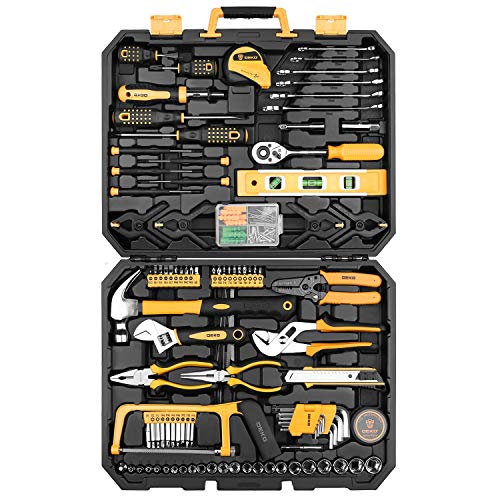
Using the right tools is key–such as a screwdriver, wrench, and hammer. I find it helpful to take photos of the assembly process, which serves as a visual guide for reassembly. When disassembling furniture, I ensure to follow any manufacturer instructions to avoid damage.
Storing Dismantled Pieces
I arrange the disassembled parts strategically within the unit. Placing larger items on the bottom helps create a stable base. Smaller components can fit neatly in empty spaces or alongside larger pieces. I use blankets or bubble wrap to protect surfaces and prevent scratches, ensuring everything remains in excellent condition until needed again.
Utilizing Protective Covers for Upholstered Items
I recommend using specialized protective covers as a first step in safeguarding upholstered pieces while in a controlled environment. These covers, designed specifically for fabrics, guard against dust, moisture, and potential staining during the period of disuse.
Choosing the Right Type of Cover
Select breathable fabric covers instead of plastic options. Breathable materials allow air circulation, thus preventing mildew or mustiness from forming. Opt for covers that fit snugly yet are easy to remove and put on, ensuring they won’t slip or bunch up.
Applying Covers Properly
<pEnsure all upholstered sections are entirely covered, including corners and crevices where dust can accumulate. Secure the covers with ties or elastic bands to keep them in place. For a layered approach, consider using furniture pads or blankets underneath the protective cover for added cushioning against potential impacts.
Labeling Boxes and Furniture for Easy Access
I recommend labeling each box and item clearly. This simplifies the retrieval process later. Use a permanent marker to write the contents, destination room, and handling instructions on each side of the container.
- Color-code the labels to categorize items by room or type. This visual cue enhances organization.
- Include a brief description of the contents, especially for mixed boxes. It saves time during unpacking.
- For larger pieces, use waterproof labels or tags tied securely to the item. This method prevents wear and loss of information.
Consider creating a master inventory list. Document each box and item, along with its designated spot. Store this list in a secure location, both physically and digitally, for easy reference.
- Begin with an inventory sheet, noting each labeled box or item.
- Utilize apps or tools for tracking if preferred; this offers a digital backup.
- Regularly update the list as items are added or removed.
Keep a marker and extra labels handy during the process. This approach ensures nothing is overlooked or misidentified.
Organizing the Storage Unit for Accessibility
I recommend starting with a clear layout for your space that prioritizes accessibility. Place frequently needed items near the entrance to minimize the time spent searching. This reduces frustration and allows for a smoother experience every time you retrieve something.
Consider the height of shelves when arranging boxes. Heavier boxes should go on the bottom to prevent injury and allow for easier lifting. Use lighter items on higher levels, ensuring they’re still within reach if necessary.
Arrange items logically by category. For example, group all kitchenware together and all seasonal decorations in another section. This categorization helps me quickly locate specific boxes without sifting through unrelated items.
| Category | Example Items |
|---|---|
| Kitchen Items | Plates, pots, utensils |
| Seasonal Decor | Christmas ornaments, Halloween decorations |
| Books | Fiction, non-fiction, textbooks |
Creating pathways within your setup allows for easy navigation. I often leave a narrow aisle between stacks of boxes so that I can reach everything without having to move multiple items. This layout enhances efficiency and maintains organization.
Labels are vital. Label boxes clearly and indicate the contents on multiple sides. This way, I don’t need to pull everything out to find what I’m looking for. Consider using color-coded labels for quick visual identification of categories.
Finally, always keep a detailed inventory of what is stored and where it is located. An inventory list can be digital or on paper, assisting in quick retrievals and maintaining order within the unit.
Maintaining a Climate-Controlled Environment
Regularly check the temperature and humidity levels inside the facility. A digital hygrometer and thermostat can help monitor these conditions effectively. Aim to keep temperatures between 55°F and 85°F, and humidity levels between 30% and 50% to prevent mold growth and material degradation.
Cover vents to avoid dust accumulation inside the area. Ensure any drainage systems are functional to prevent water damage from leaks or spills. Consider using a dehumidifier if humidity rises above your desired range.
Seal any air leaks around doors and windows with weather stripping or caulk to maintain a stable environment. Insulation can further help regulate temperature fluctuations, especially in extreme climates.
Perform regular inspections of stored items. Look for signs of mold, mildew, or pest infestation, and act quickly to mitigate any issues that arise. Keeping the area clean and organized will help facilitate these inspections.
Limit access to the space to only essential individuals. This minimizes disturbances in the microclimate and helps maintain the integrity of the environment over time.
Preventing Damage from Humidity and Temperature Changes
Control humidity levels in the area, ideally between 30% and 50%. A dehumidifier can be a reliable option if natural control isn’t sufficient.
Sealing and Protection
- Wrap delicate surfaces with bubble wrap or fleece blankets to create a barrier against moisture.
- Use moisture-absorbent materials, like silica gel packets, within sealed containers to reduce humidity exposure.
- Apply a wood conditioner or sealant on wooden items, offering additional protection against moisture fluctuations.
Temperature Regulation
- Avoid placing items directly against exterior walls that may be prone to temperature changes.
- Keep an eye on temperature extremes; maintaining consistency is key to preventing shrinkage and warping.
- Utilize insulating covers or blankets for additional thermal protection during more extreme weather conditions.
Regularly inspect the environment and adjust measures as needed to create an optimal setting for items stored over time.
Regularly Inspecting Items While in Retention
Schedule inspections every few months to ensure everything remains in optimal condition. Look for any signs of moisture or pest activity. A small flashlight can help check dark corners and tight spaces. If you find any issues, address them immediately to prevent escalation.
Maintain a Clean Environment
During inspections, clean surfaces to remove dust and avoid buildup. Use a soft cloth to gently wipe down wooden and metal pieces. For upholstery, consider using a upholstery brush. Keeping items free from dirt will help maintain their condition.
Document Conditions
Keep a log of each inspection, noting the condition of each piece. Take photos to document any changes over time. This record can serve as a reference and assist in spotting potential problems early.


