
 Caleb Turner
Begin your process with precise measurements. Knowing the dimensions of your items and the spaces you will navigate ensures you avoid unexpected challenges. Use a tape measure to check doorways, staircases, and elevator dimensions before attempting to transport your belongings.
Consider enlisting professional assistance. Local services specialize in urban relocations, equipped with tools and expertise tailored for challenging environments. Research reviews and get quotes from multiple companies to determine the best fit for your needs and budget.


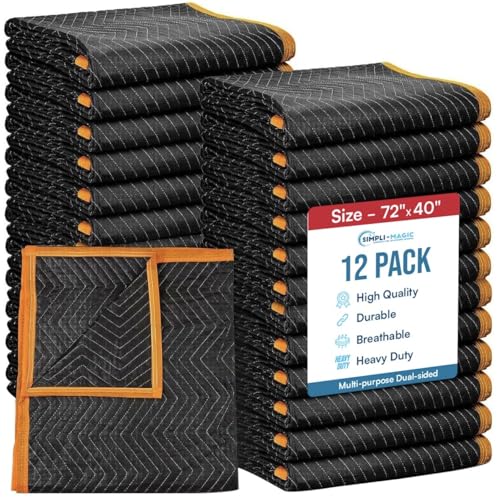
Don’t overlook the importance of protection. Wrap delicate pieces in moving blankets or bubble wrap, and use appropriate tools like dollies and straps to safeguard larger items. Properly securing your belongings minimizes the risk of damage during transit.
Timing plays a key role in this endeavor. Weekends and holidays attract a busy schedule; weekdays provide a window of opportunity with less congestion. Aim for early morning hours to avoid rush hour and take advantage of ample parking opportunities.
Lastly, familiarize yourself with building regulations. Many residences have specific guidelines regarding moving times and requirements for elevator reservations. Communicating with your building management can help you avoid penalties and ensure a smooth transition.
Tips for Relocating Your Belongings within the Urban Jungle
First, coordinate your schedule with local regulations. Many buildings have specific hours and restrictions for large item transportation. Check with your landlord or building manager to clarify these guidelines.
Utilize strategically the available public transportation options. Many subway lines permit oversized items during off-peak hours; be sure to secure your items properly to avoid accidents or damage. The MTA offers guidelines on traveling with bulky goods.
Equipment and Resources
Invest in proper materials. Sturdy moving blankets, bubble wrap, and packing tape will protect your possessions from the inevitable bumps and jolts of transit. If you’re not comfortable lifting heavy items, consider a dolly or hand truck for easier maneuvering.
Third-Party Assistance
Hire experienced movers who are familiar with urban challenges. Request quotes from at least three companies, emphasizing your specific needs, such as narrow staircases and parking availability. Read reviews to gauge reliability and customer satisfaction.
Choosing the Right Moving Company in NYC
Prioritize companies with strong local reputations and verified customer reviews. I recommend checking platforms like Yelp and Google for ratings, as well as any available testimonials. Look for businesses that are licensed and insured, ensuring they comply with necessary regulations.
Request detailed estimates from multiple providers. This not only helps in understanding cost structures but also allows comparison of services offered. Be cautious of the lowest offers; they may hint at hidden fees or subpar service.
Consider the services that best fit your requirements. Full-service options alleviate stress, while DIY solutions might be suitable for more hands-on individuals. If I opt for a more basic service, I ensure that the firm offers adequate assistance with heavy lifting and packing supplies.
Ask about experience with tight spaces and multi-story buildings, as navigating such environments requires specific skills. It’s beneficial if the crew is trained in handling unique items like artwork or vintage pieces, ensuring they arrive unscathed.
Clarify cancellation and rescheduling policies. Flexibility can be essential, especially when unexpected circumstances arise. A reputable operation will accommodate changes without excessive penalties.
Finally, trust your instincts. If a company’s communication or customer service feels off during the initial consultation, it might be wise to explore other options. Finding the right fit should feel reassuring rather than stressful.
Preparing Your Furniture for the Move
Begin by disassembling larger items, such as beds and tables. Keep hardware in labeled bags.
Wrap each piece individually with bubble wrap or moving blankets for protection against scratches and damage. Secure the wrapping with tape.
- Use cardboard corners for delicate edges.
- Remove any detachable parts, such as legs, shelves, or cushion covers.
Clean every item before packing to avoid transferring dirt. For wood surfaces, apply a suitable cleaner and polish.
Measure doorways, hallways, and elevator dimensions to ensure larger pieces can pass through without issues. Make a plan for loading based on these dimensions.
Label boxes and wrapped items according to the room they belong to and whether they’re fragile. This will aid in unpacking efficiently.
Consider using standardized boxes for smaller belongings, adjusting sizes for specific items to prevent wobbling.
For electronics, remove batteries, cords, and components. Use original packaging if available, or appropriate box sizes with padding materials.
Finally, create an inventory list to track all items during the relocation process, ensuring nothing is lost or forgotten.
Navigating NYC’s Streets and Traffic Regulations
Understanding official regulations is key to avoiding fines and ensuring smooth transit. Always check local laws regarding loading zones and time restrictions for truck stops. Here are critical details to consider:
- Loading Zones: Use designated loading zones to avoid tickets. Most are implemented for a limited time; monitor the signs for restrictions.
- Street Parking: Pay attention to alternate side parking rules. These can restrict parking for street cleaning, which could impact your schedule.
- Traffic Patterns: Anticipate rush hour times, typically from 7-10 AM and 4-7 PM. Planning around these will help minimize delays.
- Sidewalk and Street Use: Make sure to keep sidewalks clear; register for a street closure permit with the Department of Transportation if you require additional space.
Always carry the necessary paperwork for your vehicle. This includes registration and insurance details, as police checks can occur, especially in busy areas. Save time and hassle by researching specific streets and their current conditions via traffic apps or local news stations before heading out.
Consider the size of your vehicle. Some streets may not accommodate larger trucks, so map alternative routes that are more suitable. Avoid areas with heavy construction or ongoing street repairs.
Staying informed about city rules significantly eases the overall process, helping to avoid unexpected challenges on the road. Prepare to adapt quickly, as conditions can change unexpectedly, affecting transit times and routes.
Understanding Building Rules and Elevator Access
Before beginning the relocation, I familiarize myself with the specific regulations of the building. Each structure may have unique rules regarding the movement of items, including time restrictions or requirements for advance notification. It’s wise to contact the property manager or concierge to confirm these details.
Elevator access can be a significant factor in the logistics of transporting goods. Many buildings require the use of service elevators for larger items, which are often smaller and located in less convenient areas. I always verify which elevator to use and whether a reservation is necessary. Some properties might have designated times for elevator usage to avoid congestion.
I also check if any additional materials, such as corner protectors or padding, are needed for the elevator and hallways to prevent damage. If any stairs are involved, measuring the width and height of the stairwells is essential to ensure that all items can be safely maneuvered.
Regardless of the circumstances, I make sure to have a plan in place. This includes knowing the route from the entrance to the elevator, and from the elevator to the unit, to streamline the process and reduce potential obstacles.
Optimizing Your Move Schedule for Busy Times
Plan your relocation during weekdays, preferably between Tuesday and Thursday. Weekends attract heavy activity, increasing demand for transport services. Early mornings or late afternoons often see fewer vehicles on the roads, allowing smoother transit.
Consider Seasonal Factors
Summer months are typically hectic. If possible, consider relocating in the winter or early spring. Not only will you face less competition for services, but also, prices often drop as fewer people choose these as their moving months.
Book in Advance
Timing is crucial. Ensure you secure your moving company at least a month prior, especially during peak periods. Early bookings often provide greater flexibility and potentially better rates.
Protecting Your Belongings During the Transition
Wrap each piece in moving blankets or bubble wrap. Secure with packing tape to prevent shifting. For glass items, use corner protectors to reduce the risk of cracking.
Disassembling and Labeling
Take apart larger items to ease transport. Keep screws and small components in labeled bags taped to the corresponding piece. This will facilitate reassembly and reduce the chance of loss.
Utilizing Appropriate Packing Materials
Opt for sturdy boxes designed for various objects. Fill empty spaces with packing paper or foam to prevent rattling. Consider using wardrobe boxes for clothing to maintain shape and minimize wrinkles.
Unpacking and Reassembling Items in a Small Apartment
First, designate a specific area for boxes. This keeps the space organized and allows for easy access to essential items. Begin unpacking the most necessary goods, such as kitchenware, toiletries, and bedding, to make the living environment functional quickly.
When tackling heavier pieces, like sofas or beds, ensure you have the right tools handy–screwdrivers, Allen wrenches, or power drills can expedite the assembly process. Refer to any manuals or guides available; they often contain step-by-step illustrations that aid in efficient assembly.
| Tip | Details |
|---|---|
| Label Boxes | Write contents and the intended room on each box. This helps streamline unpacking and prevents confusion. |
| Use a Blanket | Place a blanket or soft material under items to protect floors from scratches during reassembly. |
| Work in Stages | Focus on one room at a time. This prevents overwhelming feelings and allows for a sense of completion as each space is sorted. |
| Dispose of Packing Materials | As each box is unpacked, break it down and recycle materials to create more open space. |
| Get Help | Enlist friends or family for a few hours. Having extra hands makes the process smoother. |
After assembly, assess the layout and adjust placement for optimal space usage. Take care to secure shelves and wall-mounted items adequately, ensuring safety and stability. This systematic approach minimizes chaos and enhances comfort in the new environment.
FAQ:
What are the best tips for moving furniture in a New York City apartment?
When moving furniture in a New York City apartment, consider the following tips: 1. **Plan in Advance**: Measure your furniture and doorways to ensure everything fits. 2. **Use Movers**: Hiring a moving company that specializes in NYC can save you time and effort. 3. **Protect Your Items**: Use blankets and bubble wrap to safeguard your furniture during the move. 4. **Consider the Stairs and Elevators**: Know whether you will use stairs or an elevator, and factor this into your moving strategy. 5. **Be Mindful of Parking Regulations**: Check for any street restrictions or residential permits you may need for moving trucks.
Is it possible to move furniture on my own in NYC, and what should I know?
Yes, you can move furniture on your own in NYC, but there are a few important things to consider. First, ensure you have the necessary tools and equipment, such as a dolly and straps. Be aware of the size of your furniture in relation to your apartment space and doorways. Additionally, NYC streets can be busy, so plan for a time that avoids heavy traffic. Keeping in mind building regulations about moving times and elevator usage can help make the process smoother. It may also be helpful to enlist a friend or two to assist, as some pieces can be quite heavy and awkward to maneuver alone.
What are the common challenges of moving furniture in NYC?
Moving furniture in NYC often presents several challenges. One major challenge is the limited space in many apartments, which can make it difficult to get large items through narrow hallways and doorways. Additionally, navigating busy streets and limited parking can complicate logistics. Many buildings have specific rules regarding moving, including restricted hours for using elevators or requiring reservations for loading docks. Weather can also be a factor; rain or snow may make moving furniture more difficult. Lastly, managing heavy or bulky items without proper equipment can lead to accidents or damage.
Are there specific services that help with moving furniture in NYC?
Yes, there are several services available for moving furniture in New York City. Many moving companies specialize in residential moves and offer comprehensive packages that include packing, loading, transporting, and unpacking. Some services also provide labor-only options, where you can hire movers to assist you without their transportation. Furniture rental companies can provide solutions for temporary needs if you’re looking to furnish a space without permanent commitments. Additionally, you can find mobile apps and websites that connect you with local movers on-demand, offering flexibility for short or last-minute moves.


