
 Caleb Turner

The first step to turning a pet enclosure into a stylish piece of decor is choosing the right cover. Utilizing furniture-grade materials, like wood or durable fabric, not only enhances the appearance but also ensures longevity. A simple wooden panel or a customized slipcover can do wonders in blending functionality with aesthetics.
Next, consider positioning. Elevate the enclosure by placing it against a wall or incorporating it into existing furniture arrangements. This approach creates a more integrated look, making it feel like an intentional part of the room. Pairing it with strategically placed plants or decorative items can further enhance its appeal.

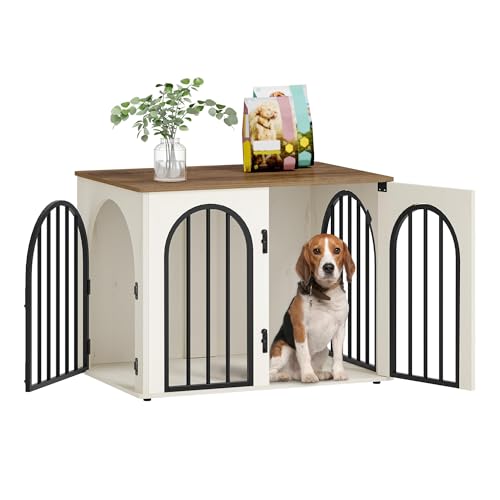


Accessorizing is key. Adding plush bedding or a matching cushion can provide comfort for your pet while complementing your interior design. Opt for colors and patterns that harmonize with your existing furniture to create a seamless transition between your pet’s space and your home.
Elevating Your Pet’s Space
Utilize a wooden cover that fits over the enclosure, transforming it into a tabletop. Choose a finish that complements your existing decor. Make sure it’s securely attached to prevent accidents and create additional storage space underneath.
Customizing with Cushions
Add comfortable cushions on top for a cozy look. Opt for removable covers in wash-friendly fabrics to maintain cleanliness without hassle. Incorporate colors and patterns that enhance your interior aesthetics.
Creating a Theme
Design elements can match your room’s theme. For a farmhouse style, consider distressed wood accents. For a modern touch, sleek metal and minimalist lines work well. Personalize the space with art or plants to showcase your unique taste.
| Element | Style Idea |
|---|---|
| Wood Cover | Natural finish that blends with furniture |
| Cushions | Colorful, patterned styles for freshness |
| Decor | Artwork or plants to enhance the aesthetic |
Selecting the Right Style of Crate
Choose a design that seamlessly integrates with your home’s aesthetic. Consider these elements:
- Material: Opt for wood, metal, or high-quality plastic. Wooden variations can be stained or painted to match surrounding decor.
- Shape: Select from traditional rectangular models or those with more unique silhouettes, like furniture-style options that resemble side tables or benches.
- Color: Neutral tones blend well with various interiors while bold colors can serve as accent pieces.
- Size: Ensure the dimensions fit your space without overpowering it. Measure the area before purchasing.
Checking Style Compatibility
Examine existing furnishings. If your home features a rustic theme, a distressed wood option could be ideal; for modern spaces, choose sleek, minimalistic designs. Mixing styles can work well, but aim for a cohesive look.
Functional Features
Incorporate functionality into the selection process. Look for crates that offer additional storage or dual-purpose use, such as a surface for plants or decorative items. These features enhance practicality while maintaining a stylish appearance.
Choosing the Best Location for the Crate
I recommend placing the enclosure in a high-traffic area of your home. This ensures that your pet feels included in everyday activities while remaining comfy in their space. Avoid isolating the unit in a remote corner; it should be part of the family’s environment.
Consider proximity to natural light sources. A well-lit location promotes a cheerful atmosphere and helps your pet feel more at home. However, avoid direct sunlight to prevent overheating. Shade is essential for maintaining a comfortable temperature.
Evaluate your home’s layout. Positioning the habitat near the living room or kitchen allows easy access and interaction. Additionally, this placement encourages your furry companion to feel part of the household, reducing anxiety during quieter moments.
Noise levels also play a critical role. Keep the enclosure away from loud appliances or constant commotion such as near the television or laundry machines. A quieter location assists in creating a serene and inviting atmosphere for relaxation.
Keep in mind your pet’s preferences. If they enjoy watching outdoor activity, a window-facing spot can be ideal. On the contrary, some may prefer to retreat from exhaust fumes or heavy traffic noise.
| Location | Benefits | Drawbacks |
|---|---|---|
| High-traffic area | Inclusion in family activities | Potential distractions |
| Near a window | Natural light, outdoor view | Direct sunlight, potential overheating |
| Quiet corner | Less stress, tranquility | Isolation from family |
Final thoughts: ensure the chosen location meets all comfort needs while complementing your home’s aesthetics. A balanced approach results in a satisfying environment for both pet and owner.
Customizing the Crate with Paint and Stain
For a personalized touch, I often choose paint or stain that complements the surrounding decor. Selecting a color that matches existing furniture enhances the visual coherence of the space. Light hues can brighten a room, while darker shades add sophistication.
Before applying any finish, I ensure the surface is smooth and clean. Sanding the wood not only prepares it for paint or stain but also helps achieve a more professional appearance. I use fine-grit sandpaper to avoid damaging the surface.
When it comes to paint, using high-quality, non-toxic options is crucial, especially in multi-pet households. I prefer water-based acrylics, which dry quickly and resist scratching. Two coats are often necessary for even coverage, and I usually apply them with a foam roller for a smooth finish.
If opting for a stain, I apply it with a clean cloth, allowing it to soak into the wood for a rich finish. I recommend testing the stain on a small area first to ensure it meets my expectations. Once dry, a clear topcoat protects the surface from wear and tear, giving it a polished look.
Incorporating patterns or designs can elevate the aesthetics further. Stencils or washi tape can help in creating geometric shapes or stripes. I take my time with this step, ensuring precision for a professional look.
Lastly, I always leave adequate drying time and ensure proper ventilation during the painting or staining process. These finishing touches transform a utilitarian piece into a stunning addition to my home.
Incorporating Decorative Fabrics and Cushions
Utilizing decorative textiles can enhance the visual appeal of your pet’s enclosure. Selecting patterned or textured fabrics that align with your interior design creates a cohesive space. Consider the following options:
- Choose upholstery-grade fabric for durability and easy cleaning.
- Incorporate colors that complement your existing decor scheme.
- Mix and match different textures for added depth and interest.
Cushions not only offer comfort but also play a significant role in your aesthetic arrangement. Here are some ways to elevate the style:
- Use plush cushions in various shapes to create a welcoming environment.
- Consider removable covers for cushions to simplify washing and maintenance.
- Layer smaller cushions on a larger one for a relaxed, inviting look.
Adding Accents and Throws
Throws can enhance both comfort and design. Opt for materials that are warm yet practical:
- Wool or fleece throws can provide extra warmth during cooler months.
- Select throws in vibrant colors or prints to serve as focal points.
- Ensure the throw is easy to clean to maintain a stylish appearance.
Incorporating these elements transforms the enclosure into a focal point, seamlessly blending with your home environment while ensuring it’s inviting for your pet.
Add Shelving or Top Surfaces for Functionality
Incorporating shelving or top surfaces can transform a standard enclosure into a multi-functional piece. First, I suggest measuring the dimensions of the enclosure to ensure the right fit for shelves. Use sturdy materials such as wood or metal for support.
Floating shelves installed above the enclosure create an appealing vertical space for decorative items or pet supplies. Opt for a color that matches or complements the overall design to maintain a cohesive look.
If you prefer additional surface area, consider adding a solid top. This surface can serve as a display area or extra storage, effectively utilizing the enclosure’s footprint. Ensure it is secure and easy to clean, as it could gather pet hair and dust.
For versatility, I recommend using brackets to support a removable tabletop. This allows for easy maintenance and the option to change the table’s appearance when desired. Select finishes that resist scratches and are well-suited for a household environment.
Paneling the sides of the structure with matching materials can further enhance its aesthetic appeal, disguising its original purpose while providing additional room for storage beneath the top surface. It’s a practical approach that maintains the stylish profile you want.
Creating a Built-In Look with Cabinet Doors
Choose cabinet doors that seamlessly integrate with existing home aesthetics. Opt for wood finishes that match furniture pieces or cabinetry in your home. This unifies the space and makes the pet’s retreat a functional part of the room.
Materials Selection
Select high-quality materials for the doors. Plywood or hardwood not only offers durability but also enhances visual appeal. Use a strong hinge and latch system to ensure safety and ease of access.
Installation Tips
Frame the enclosure with trim that complements the cabinet doors. Ensure a snug fit around each door to maintain a polished appearance. Utilize magnetic catches to keep doors securely closed, providing easy access while maintaining an elegant look.
Add a layer of paint or stain to match the built-in style of your home. Personalize the finish with decorative elements like molding or hardware that resonates with your existing décor, creating a cohesive and stylish environment.
Using Plants and Accessories to Enhance Aesthetics
Incorporating greenery adds a refreshing touch to the overall setup. I opt for low-maintenance plants like succulents or snake plants that thrive indoors and require minimal care. Arranging a few pots around the enclosure transforms the space into a cozy nook.
Accessorizing with decorative baskets or storage containers can provide both functionality and style. I select items that match the surrounding decor, ensuring cohesion in design. These containers can store pet toys or supplies, keeping the area tidy while enhancing its visual appeal.
Utilizing picture frames, wall art, or personal photos nearby can create a harmonious environment. I choose frames that complement the colors of the piece, making it feel personalized and integrated into the living area.
Incorporating throws or blankets in complementary colors or patterns on the top surface not only adds a layer of texture but also invites interaction. Choosing soft, appealing fabrics encourages casual use of the space, making it feel warm and inviting.
Installing elegant lighting fixtures above can serve as a focal point and add ambiance. I prefer soft lighting that highlights the area without overwhelming it. This touch contributes to the overall aesthetic while ensuring the area is well-lit during evenings.
Ensuring Proper Ventilation and Safety Features
Incorporating adequate airflow is crucial for maintaining a comfortable environment. I recommend incorporating slatted designs or mesh panels into the structure to facilitate airflow while keeping the pet secure.
Ventilation Options
Utilizing vents or open designs on sides or back allows for proper circulation. If integrating wood, consider incorporating decorative cutouts or screens to enhance aesthetics while promoting ventilation.
Safety Considerations
Ensure that the materials chosen are non-toxic and free from sharp edges. Using rounded corners and smooth finishes not only adds to the appeal but greatly enhances safety. Regularly check for wear and tear, especially on hinges and locks, to prevent accidents.
Integrate double-locking mechanisms to prevent escapes while remaining easily operable for humans. Adequate flooring options, such as non-slip materials, should be selected to provide stability.
Maintaining Cleanliness and Durability
Regular upkeep is vital for any enclosed space meant for pets. Establishing a cleaning routine can prevent odors and ensure longevity.
Daily Maintenance Tips
- Remove droppings or waste immediately after your animal exits.
- Spot clean surfaces with a mild pet-safe cleaner to tackle stains.
- Use a vacuum or lint roller to collect hair and debris inside and around the unit.
Weekly and Monthly Care
- Disinfect the entire area weekly using a solution recommended for pet-friendly spaces.
- Inspect for any wear and tear; tighten screws and check for damaged parts.
- Replace bedding or cushioning materials as needed to maintain hygiene and comfort.
Utilizing water-resistant products can enhance the structure’s durability. Choose materials that resist stains and wear over time.
Prevent humidity build-up by ensuring proper ventilation within the enclosure. This measure protects both the decor and the animal.
Regular inspections and timely maintenance ensure that the integrated unit serves both function and style effectively.
FAQ:
What materials are best for making a dog crate resemble furniture?
To make a dog crate look like furniture, you should select materials that blend well with your home décor. Wood is a popular choice, particularly hardwoods like oak or maple, as they can be stained or painted to match existing furniture. Additionally, using furniture-grade plywood can provide a more polished finish. Fabric can also be employed to create a cozy, upholstered effect, making the crate feel like a part of the living space. Metal accents may add a modern touch if that fits your style.
How can I customize my dog crate to fit its function as both a pet space and a decorative piece?
Customizing a dog crate involves balancing practicality with aesthetics. You can add features like a cushioned bed to enhance comfort while ensuring that it’s removable and washable for easy maintenance. Incorporating storage options, like drawers or shelves for dog supplies, can also make the crate more functional. Additionally, choosing finishes such as paint or stain that coordinate with your home’s interior will help the crate blend seamlessly into your living space, making it less of an eyesore and more of a stylish addition.
Are there design ideas for transforming a standard dog crate into something more stylish?
Yes, there are several design ideas you can explore. For instance, you could transform a basic wire crate by surrounding it with wood panels, giving it a more furniture-like appearance. Additionally, adding a decorative top can create a multi-functional piece, such as a side table or bench. Using neutral colors or patterns that echo your home’s theme can also make the crate look more appealing. Finally, consider adding decorative elements like trim or molding to enhance its overall aesthetic.
What tips should I consider while choosing the right location for the crate to maintain both style and practicality?
When selecting a location for your dog crate, think about accessibility and visibility. Place it in a low-traffic area that still allows your dog to feel included in family activities. Avoid dark corners or isolated spots, as these may make your pet feel less secure. Additionally, consider natural light – placing the crate where it receives some daylight can create a cheerful atmosphere. Ensure the area is easily accessible for you to clean and maintain, while keeping in mind the crate’s integration with your home’s overall design.


