Caleb Turner

Regular dusting is non-negotiable for preserving the beauty of your cherished timber items. I recommend using a soft, lint-free cloth to gently remove any dust. This simple act prevents dirt build-up, which can dull the surface over time.
To address deeper grime, a mixture of mild soap and water is my go-to solution. Dampen the cloth with this solution, wring it out well, and wipe the surface. Avoid soaking the wood, as excess moisture can lead to warping or damage. Following this, a dry cloth should be used to remove any residual moisture.
Every few months, I apply a suitable finishing oil to enhance the grain and provide a protective layer. A light coat is often sufficient; more is not always better. This step can rejuvenate the wood, lending it a warm, inviting appearance.
Sunlight can be detrimental in the long run, so I ensure to position my lovely pieces away from direct sunlight. The UV rays can fade the color and weaken the structural integrity, so shade is key.

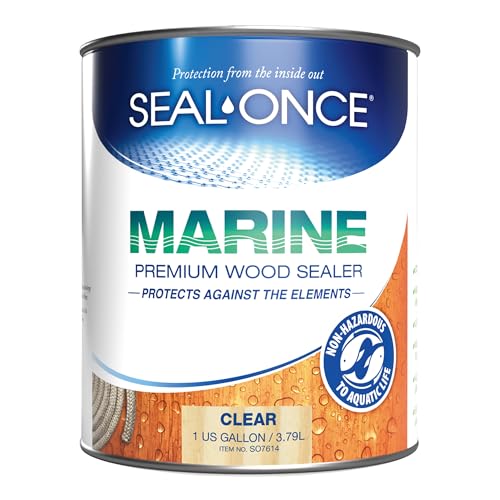

How to Preserve Your Wooden Pieces
Regular cleaning is a must. I recommend using a damp microfiber cloth for dusting, as it picks up particles without scratching surfaces. For spills, blot the area immediately with a soft cloth and avoid rubbing. For dried-on stains, a mixture of mild soap and water can work wonders.
Prevent Damage
To keep your items in excellent shape, avoid placing them in direct sunlight or near heating sources. This will help prevent warping and fading. I always use coasters under drinks and placemats under dishes to avoid water rings and scratches.
Apply Conditioners Sparingly
Using a quality wood conditioner occasionally can help maintain shine and protect the finish. However, I advise against over-applying, as this can lead to a sticky residue. A little goes a long way; just a light coat every few months is sufficient.
Check screws and joints regularly, tightening them as needed. If you notice any cracks or chips, address them immediately with wood filler to avoid further damage. Keeping your items in a stable environment will ensure their longevity.
Choosing the Right Cleaning Products for Wood
Opt for gentle, non-abrasive cleaners specifically formulated for natural surfaces. Avoid ammonia-based or bleach cleaners, as they can strip finishes and damage the grain.
Natural Alternatives
Consider using a solution of vinegar and water (1:1 ratio) for light cleaning. This mixture effectively removes dirt and grime without harming the finish. For polishing, a blend of olive oil and lemon juice can safely enhance shine.
Commercial Options
Many brands offer ready-to-use solutions designed for treated or untreated surfaces. Look for product labels indicating protection against water damage, UV rays, and dust attraction. Test any product on a small, inconspicuous area before full application to ensure compatibility.
Regular Dusting Techniques for Wood Surfaces
Using a microfiber cloth is my go-to for regular dusting of these surfaces. It effectively captures dust particles, reducing the risk of scratching. I prefer dry cloths for this, reserving damp options for deeper cleans.
Steps to Efficient Dusting
- Start from the top, moving downwards to ensure dust falls onto lower areas.
- Dust intricate surfaces carefully, using a soft brush attachment on a vacuum for corners and crevices.
- For larger pieces, I use circular motions with the cloth to collect more debris without dragging it across the surface.
My routine includes weekly dusting to prevent buildup, particularly in high-traffic areas. For delicate finishes, I opt for less frequent dusting, being mindful to use less pressure.
Additional Tips
- Keep pets away from cleaned areas to reduce hair accumulation.
- Avoid feather dusters; they can move dust around rather than capturing it.
- Ensure the cloth is clean; washing it without fabric softener keeps it effective.
Following these techniques helps retain the appearance of my prized pieces while minimizing the need for heavy cleaning.
Protecting Wood from Water Damage
I recommend sealing all surfaces with a high-quality wood finish, such as varnish or polyurethane, which forms a protective barrier against moisture. Regularly inspect and reapply the finish as needed to prevent wear and damage.
Utilizing coasters for beverages and placemats for hot dishes minimizes direct exposure to water and heat. This small yet effective measure can significantly reduce the risk of stains or warping.
In areas prone to humidity, placing silica gel packets in drawers and cabinets absorbs excess moisture. Consider using a dehumidifier or air conditioner to maintain optimal humidity levels in the room.
For spills, quickly blot with a soft, dry cloth instead of wiping, to avoid pushing liquid into the grain. Afterward, clean the area with a damp cloth and dry thoroughly.
Avoid soaking any wooden piece. If cleaning requires more moisture, use a light mist rather than directly pouring water. This approach preserves the integrity of the material.
Apply wax to surfaces every few months. This creates an additional layer of protection against moisture penetration while enhancing the appearance and feel of the item.
Finally, always place items that could leak, like potted plants or beverage containers, on trays or saucers to catch excess water, preventing damage and staining.
Applying and Maintaining Wood Finishes
I recommend applying a fresh coat of finish every few years. Choose a product that suits the specific type of timber, whether it’s oil, lacquer, or polyurethane. Use a fine-grit sandpaper to lightly sand the surface before applying the new finish, as this helps with adhesion. Make sure to clean the surface thoroughly to remove dust and grime.
For oil finishes, apply a thin layer with a lint-free cloth, allowing it to soak in before wiping off any excess. For lacquer or polyurethane, use a brush or a foam applicator, applying in thin layers to avoid drips. Ensure adequate ventilation when using solvent-based products.
Once the finish is applied, let it cure for the recommended time, keeping the area dust-free. Regularly check for any wear or scratches and touch up as needed. If significant damage occurs, consider stripping the piece down to bare wood and start the finishing process anew.
Periodic maintenance is crucial. Clean with a damp cloth and mild soap to remove buildup, then apply a maintenance coat of finish if needed. Always follow the manufacturer’s recommendations for optimal results.
Identifying and Repairing Scratches and Dents
To restore your pieces, begin by examining the surface for scratches and dents under good lighting. Light scratches can often be disguised using a walnut or pecan–simply rub the nut on the scratch, allowing the oils to seep into the wood. For deeper marks, try a mixture of equal parts vinegar and olive oil, applied gently with a soft cloth.
Repairing Dents
For minor dents, a steam method works wonders. Place a damp cloth over the dent and apply a heated iron for a few seconds. The steam will help the fibers swell back into place. Allow it to cool completely before assessing the repair. If needed, repeat the process until satisfied.
Filling Deep Scratches
For significant scratches, consider wood filler that matches your item. Apply the filler with a putty knife, ensuring you fill the scratch, then let it dry. Once dry, sand it down lightly with fine-grit sandpaper. Finish by applying a matching stain to blend the repair with the surrounding area.
Preventing Sun Damage and Fading
Shield surfaces from direct sunlight with curtains, blinds, or UV-filtering window films. Position the items away from windows or use decorative screens as barriers.
Choosing the Right UV Protection
Utilize protective coatings that include UV inhibitors. These finishes create a barrier against sunlight and minimize fading. Regularly check these coatings and reapply as necessary.
Best Practices for Sunlight Exposure
Rotate the position of objects frequently. This practice prevents uneven exposure and preserves color consistency. For items frequently exposed, consider using covers when not in use.
| Method | Description |
|---|---|
| Curtains/Blinds | Install window coverings to block sunlight when not in the room. |
| UV-Films | Apply films on windows to reduce UV rays without obstructing views. |
| Protective Coatings | Use finishes with UV protection for added defense against fading. |
| Rotation | Change the positions of decor to ensure uniform exposure to light. |
| Covers | Utilize fabric or breathable covers to shield delicate pieces from sunlight. |
Storing Wooden Pieces During Seasonal Changes
Before seasonal transitions, it’s beneficial to prepare your prized items adequately to prevent damage. Begin by ensuring that each piece is thoroughly cleaned, removing dust and residues that can trap moisture. Use a slightly damp cloth for this purpose, followed by a dry one for any excess moisture.
Choose a climate-controlled area for storage, aiming for a stable temperature and humidity level. Fluctuating environments can lead to warping or cracking. Ideal conditions are around 70°F (21°C) with humidity between 40% and 60%.
- Wrap items in breathable cotton or linen to protect against dust.
- Avoid plastic covers; they can trap moisture and foster mold growth.
- Utilize furniture pads or blankets at the base to prevent scratches during movement.
Always store away from direct sunlight, as UV rays can lead to fading and discoloration. Additionally, provide ample spacing between pieces, allowing air circulation to avoid stagnant moisture buildup.
Regularly check on the stored items, inspecting for signs of deterioration or pests. A little attention during this dormant period can ensure your cherished possessions remain in pristine condition for years to come.