
 Caleb Turner

If you need to maneuver substantial pieces, prioritize proper technique. Stand close to the object, ensuring that your feet are shoulder-width apart for stability. Bend at your knees, not your waist, to lower your center of gravity. This basic principle is vital to mitigating strain.
Employ your legs to push upward instead of relying solely on your back. Keep the item as close to your body as possible to reduce leverage-induced stress. If it feels awkward or heavy at any point, don’t hesitate to reassess your grip or stance; comfort translates to safety.
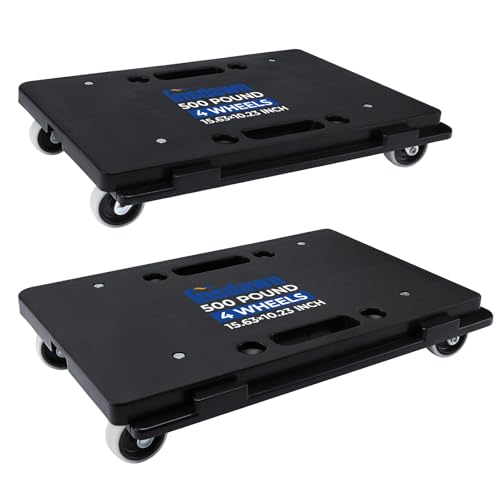
Consider using tools such as sliders or dollies to ease the task. These devices can drastically lower the physical demands of the process, allowing you to focus on control rather than sheer strength. If assistance is available, don’t hesitate to ask for help; teamwork often simplifies challenging moves.
Always be mindful of your surroundings. Clear pathways and remove potential obstacles to avoid accidents. Taking a moment to consider these factors can prevent unnecessary risk. Adopting a thoughtful approach transforms what can be a daunting challenge into a manageable task.
Assessing the Weight and Size of the Item
I always begin by gauging the weight and dimensions of the object before attempting any maneuver. Use a reliable scale to determine its mass, if possible, or estimate based on similar items. This initial step informs my approach and helps me decide whether I can manage the load alone or if assistance is necessary.

Next, I measure the item’s height, width, and depth. Knowing the precise dimensions allows for better planning, especially in tight spaces. I visualize the path I need to take and check doorways and corners to ensure a smooth transition.
Using a tape measure, I note down the sizes and compare them with my own capacity. If the piece is particularly bulky or difficult to grasp, strategic thinking is key. I look for handles or edges that provide better grip, ensuring a firm hold while moving.
Finally, I consider the material. Heavier types, like solid wood, require more strength compared to lighter alternatives, such as particleboard or metal. Understanding the composition helps in devising a safer technique and deciding if I need tools, like sliders or a dolly, for transportation.
Choosing the Right Lifting Technique
Use a squat technique when preparing to raise larger pieces. Position your feet shoulder-width apart, bend at the knees, and lower your hips while keeping your back straight. Engage your core before you move.
For items that are long or bulky, practicing a team method is optimal. Communicate your movements with your partner to ensure a synchronized effort. This approach reduces strain and equally distributes the load.
In cases where the object has handles or grips, utilize them for better control. This helps maintain balance and will minimize the chance of slipping. If no handles are available, create a makeshift grip with cloth or padding.
Consider utilizing a dollie or moving straps for maneuvering larger items. These tools can shift the bulk of weight away from your body, allowing for steadier transportation. Learn to maneuver these aids effectively to maximize their benefits.
| Technique | Description |
|---|---|
| Squat Technique | Feet shoulder-width apart, bend at knees, keep back straight, engage core. |
| Team Lifting | Coordinate movements with a partner for even distribution and safety. |
| Using Handles | Grip handles or create a custom grip for better control and balance. |
| Moving Aids | Employ dollies or straps to reduce strain and aid in transport. |
During any movement, maintain a straight back and avoid twisting your torso. Shift your feet instead of your body to change directions. This ensures stability and minimizes the chance of injury.
Utilizing Proper Footwear and Clothing
Wearing sturdy, supportive shoes is imperative. I choose footwear with a flat sole, good grip, and cushioning to provide stability during the effort. Avoid sandals or loose-fitting shoes, as they can increase the risk of slips.
Opt for fitted clothing that allows for movement without dragging on the ground. I find that materials that breathe help keep comfortable while engaging in physical tasks. Long pants can also offer protection against scrapes or bumps.
When selecting attire, I steer clear of baggy or overly loose garments that can snag on nearby objects or obscure the view of surroundings. High-visibility colors can aid others in spotting me, enhancing safety during the process.
Always ensure the selected shoes and clothing are appropriate for the environment, especially in tight spaces or outdoors. I regularly check for wear and replace anything that doesn’t provide adequate support or safety.
In summary, proper attire and shoes significantly enhance stability and safety, minimizing the risk of accidents during physical tasks.
Engaging Your Core and Leg Muscles
Activate your core and legs prior to any heavy lifting to maintain stability and support your back. Begin by tightening your abdominal muscles; this can create a solid foundation that protects the spine. Imagine drawing your navel inwards towards your spine, creating a natural brace around your torso.
Core Activation Techniques
Prior to any hauling, practice gentle core engagement exercises. Perform a few standing twists or side bends to get your muscles used to rotation and stabilization. Ensure your back remains straight while engaging. This will enhance your readiness and reduce strain during the move.
Leg Involvement
Utilize your legs as the primary source of strength. Position your feet shoulder-width apart for balance. Bend at the knees while keeping your back straight, allowing your legs to do the majority of the work. This technique reduces pressure on your back and distributes the load more evenly, minimizing the risk of injury.
Using Tools and Equipment for Support
Utilizing proper tools significantly eases the process of moving substantial items. Invest in a quality furniture dolly; this simple yet effective device distributes weight evenly, reducing the strain on my back and arms. When transporting larger pieces across uneven surfaces, select a dolly with pneumatic wheels for smoother mobility.
Employing Lifting Straps
Lifting straps are invaluable for transferring bulky objects. I use them to create a harness around the item, which shifts the weight from my hands to my shoulders and legs. This technique not only increases control but also minimizes direct physical pressure on my body. Ensuring the straps are of high strength and evenly adjusted can prevent unnecessary slipping or wear.
Leverage with Furniture Sliders
For relocating items over short distances, sliders work wonders on floors. I place these small disks under the legs or corners, allowing me to push or pull with minimal force. This avoids any potential damage to the flooring and eliminates excessive effort on my part.
Enlisting Help When Necessary
Always consider involving others if an object seems daunting. It’s not a sign of weakness; it’s a strategic approach to achieve safety and efficiency.
Identifying Reliable Assistance
Reach out to friends, family, or professionals who have experience with similar tasks. Look for individuals who are strong, coordinated, and have tackled similar challenges. Here’s a list of people to consider:
- Friends with physical strength or experience in relocating items.
- Family members who can assist and support during the process.
- Local movers or professionals who specialize in logistics and heavy objects.
Communicating Clearly
Before starting, have a clear plan. Discuss the dimensions, weight, and any obstacles. Clarify each person’s roles to ensure that everyone knows their responsibilities. Use these steps for effective communication:
- Describe the item’s size and weight.
- Outline the route to the destination.
- Discuss preferred methods or techniques beforehand.
Creating a coordinated effort reduces the risk of mishaps and guarantees that everyone is on the same page. Collaboration can make what seems insurmountable manageable and safe.
Stretching and Warming Up Before Lifting
I always begin any substantial task with targeted stretches. These movements enhance circulation and prepare muscles for exertion. I focus on dynamic stretches that engage my arms, legs, and back. For instance, arm circles and leg swings are particularly effective. I make sure to spend at least five to ten minutes getting my body ready.
Key Stretches
My routine includes specific stretches such as:
- Hamstring Stretch: While standing, I reach for my toes, keeping my legs straight to loosen my back and hamstrings.
- Quadriceps Stretch: I grab my ankle to pull my heel towards my glutes, balancing on one foot for a deep stretch in the front of my thigh.
- Torso Twist: A simple twist at the waist helps to increase flexibility in my spine and lower back.
Importance of Warm-Up
A proper warm-up is non-negotiable for me. I perform light physical activity such as marching in place or gentle squats. This elevates my heart rate and ensures my muscles are ready for higher demand. I find that a few minutes of this preparation can significantly impact my performance and help prevent strains.
Listening to my body is crucial. If I feel tightness or discomfort, I adjust my routine accordingly. I believe that investing time in these preliminary steps pays off in the long run, making tasks easier and safer to accomplish.


