
 Caleb Turner
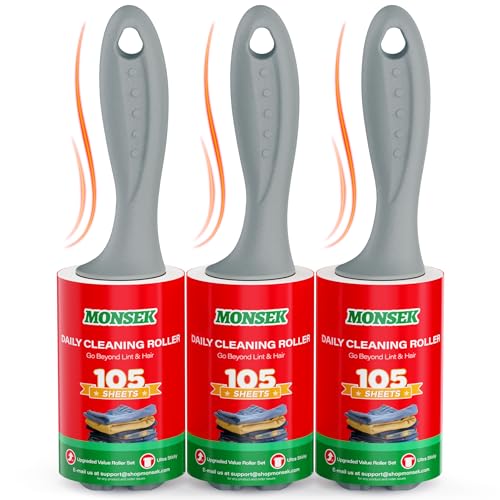
Adopting a regular cleaning schedule significantly reduces the presence of unwanted fibers on your upholstery. Daily vacuuming with a pet-specific attachment can capture more than standard models, ensuring a thorough pick-up from various fabric types.
Investing in lint rollers or specialized brushes can quickly eliminate any remaining particles, making them handy tools for anyone living with a furry companion. These items are portable and can be used frequently to maintain a clean look without the hassle of deep cleaning.
Incorporating washable throws or slipcovers provides an extra line of defense. These can be easily removed and cleaned, minimizing the accumulation of stray strands while adding an aesthetic touch to your living area.


Utilizing protective sprays designed for fabrics creates a barrier that helps keep fibers from settling into your furniture. Regular reapplication of these products can enhance their effectiveness and prolong the lifespan of your upholstery.
Strategies for Maintaining Clean Seating Areas
Using a high-quality lint roller daily effectively removes loose strands from the surface. Choose one with sticky sheets designed for pet fibers to simplify the process.
Textile Selection
Opt for fabrics like microfiber or leather, which repel strands better than woven materials. These textiles are easier to clean and maintain their appearance with less effort.
Regular Grooming Routine
- Schedule weekly brushing sessions to minimize shedding.
- Utilize gloves made of rubber to collect and remove any remaining strands while petting.
- Consider using deshedding tools, which efficiently target loose undercoats during grooming.
Implementing these tactics will significantly reduce the presence of loose fibers on your seating surfaces, ensuring a cleaner living space.
Choose the Right Fabric for Furniture
Opt for tightly woven fabrics such as canvas, denim, or microfibre. These materials resist the accumulation of pet fur and are easier to clean. I find that synthetic blends typically outperform natural fibers in this respect.
Look for upholstery options with a short pile. Fabrics like leather or faux leather are excellent choices since they don’t harbor debris and can be wiped down effortlessly.
Consider fabrics with a stain-resistant treatment. Upholstery treatments can enhance the durability of the material and facilitate maintenance.
Avoid high-pile or plush fabrics. They tend to attract and trap fur, making removal more challenging. Instead, focus on smoother surfaces that allow for quick cleaning with a lint roller or vacuum.
Always test fabric swatches in your environment. Evaluate how they react to daily wear and interactions. This ensures you select a material that matches your lifestyle while minimizing cleanup efforts.
Use Furniture Covers for Protection
Utilizing protective covers is a straightforward solution to safeguard seating and surfaces from pet fur. Choose adjustable, washable options that suit your decor while offering easy maintenance.
Select covers made from materials like microfiber or tightly woven fabrics, which effectively repel stuck debris. Ensure they fit snugly, preventing slipping during use.
| Type of Cover | Material | Features |
|---|---|---|
| Sofa Throw | Microfiber | Soft, easy to wash, hypoallergenic |
| Slipcover | Canvas | Durable, machine washable, custom fit |
| Fleece Cover | Fleece | Warm, comfortable, anti-static properties |
| Protective Blanket | Polyester | Water-resistant, lightweight, multi-use |
Regular cleaning of these covers will enhance their durability and functionality. Prioritize materials designed for ease of cleaning, allowing for quick removal of any residue.
Incorporating these protective solutions will contribute to a cleaner, more enjoyable living space while accommodating a beloved companion.
Implement a Regular Cleaning Routine
I schedule a thorough clean at least once a week, focusing specifically on soft surfaces. Vacuuming the couch and chairs with a pet hair attachment makes a significant difference. I also use a lint roller or sticky tape afterward to catch any remaining strands.
Daily maintenance is crucial. I set aside a few minutes each day to wipe down surfaces and vacuum high-traffic areas. This approach prevents build-up, making weekly cleaning much simpler and less time-consuming.
I incorporate specific tools into my routine, such as rubber gloves for quick pick-ups. Rubbing my hands over upholstered surfaces gathers loose fibers effectively. Additionally, using an air purifier can help catch airborne particles, including those that cling to furnishings.
Creating a habit of cleaning also involves training my pets to stay off certain areas. I reinforce their designated spaces with their favorite blankets or toys, minimizing their access to my seating areas.
Tracking progress is motivating. I maintain a checklist of tasks, helping me stay organized and consistent in my cleaning efforts. Regularly reviewing my routine ensures I adapt as needed, keeping my living space fresh and inviting.
Groom Your Dog Frequently
I schedule regular grooming sessions to minimize the amount of fur that finds its way onto my possessions. Depending on the breed, a weekly brushing can greatly reduce loose strands. For dogs with higher shedding tendencies, more frequent grooming, such as every few days, is beneficial.
Tools for Effective Brushing
Investing in quality grooming tools makes a difference. A slicker brush and a de-shedding tool have proven effective for my pet. The slicker brush removes tangles and dead strands, while the de-shedding tool targets undercoat fur. I combine these to achieve maximum results.
Bathing and Maintenance
Bathing contributes to a healthier coat and reduces shedding. I use a gentle shampoo formulated for pets to avoid irritation. After washing, I ensure my furry companion is thoroughly dried, as damp fur can lead to matting. Maintaining proper hydration and nutrition also supports a healthy coat and reduces excess fur.
Utilize Lint Rollers and Sticky Tape
I frequently rely on lint rollers and sticky tape for quick cleanups. These tools are tremendously useful for tackling stray fibers on upholstery and cushions. A quality lint roller can quickly lift debris in a matter of seconds. I keep one in every room for easy access, so I can swiftly deal with any build-up.
Application Techniques
For optimal results, I roll the lint roller across the surface with moderate pressure. I ensure to cover small areas at a time to capture as much as possible. When the adhesive sheet is full, I peel it off and expose a fresh one–simple and effective.
Sticky Tape Alternative
If I run out of lint rollers, I grab a roll of sticky tape. I wrap some around my hand with the adhesive side facing out. This method is especially handy for spot cleaning on fabrics that are delicate or have intricate patterns where a roller might struggle. It’s a quick fix when I need immediate results.
Incorporate Pet Hair Removal Tools
I recommend using specialized tools designed for eliminating pet fur from various surfaces. Selecting the right instruments can simplify the task significantly.
Recommended Tools
- Lint Rollers: Keep these on hand for quick cleanups. They’re portable and effective for targeted areas.
- Rubber Gloves: Dampen a pair of rubber gloves and run your hands over upholstery. The friction attracts the fur.
- Fur Vacuums: Invest in vacuums specifically designed for pet fur. They have features that enhance suction and fur removal.
- Pet-Specific Brushes: Use brushes with nylon bristles or rubber tips to lift and collect loose strands during grooming sessions.
- Electrostatic Cloths: These can be effective on furniture surfaces, attracting and trapping fur as you wipe.
Maintenance Tips
- Store items like lint rollers and brushes conveniently for immediate access when needed.
- Regularly empty vacuum canisters or replace bags to ensure maximum efficiency.
- Routine dusting with electrostatic cloths can help prevent buildup.
Implementing these tools into your cleaning routine can significantly minimize the presence of fur in your living space.
Designate Pet-Free Zones in Your Home
Establish specific areas in your residence where pets are not allowed. This practice helps maintain a tidier environment and reduces the accumulation of fur on key surfaces.
Suggestions for Designating Areas
- Designate bedrooms as pet-free zones to ensure clean sleeping spaces.
- Set aside a dining area that remains off-limits for pets during meals.
- Consider creating a separate lounge or office space where pets are restricted.
Implementation Tips
- Use baby gates to block off certain rooms easily.
- Keep doors closed to maintain boundaries and prevent access.
- Train your pet to understand the designated areas, providing rewards for compliance.
Maintain consistency in enforcing these zones to promote respect for boundaries, resulting in cleaner living spaces and reduced cleaning efforts.
Invest in an Air Purifier
Choosing a high-quality air purifier significantly reduces floating pet dander and other allergens. Ensure the unit has a HEPA filter, which effectively captures tiny particles, including fur, allowing for cleaner air in your living space.
Selecting the Right Model
Look for a purifier that matches your room size; check the CADR (Clean Air Delivery Rate) for efficient operation. Position the device centrally in the area you inhabit most.
Maintenance Tips
Regularly replace filters according to the manufacturer’s guidelines. Clean the unit’s exterior routinely to maintain optimal performance. Consider models with washable pre-filters for easier upkeep.
| Feature | Importance |
|---|---|
| HEPA Filter | Traps small particles effectively |
| CADR Rating | Indicates efficiency for room size |
| Noise Level | Affects comfort during operation |
| Filter Replacement | Essential for continuous effectiveness |
Use Washable Throw Blankets on Furniture
Covering surfaces with machine-washable throw blankets provides a simple solution for managing pet-related debris. It’s important to choose fabrics that are both durable and easy to clean, like microfiber or polyester blends, as they repel dust and are quick to wash. When an unexpected mess occurs, simply toss the blanket into the washing machine.
Layering these covers not only allows for easy maintenance but also adds an extra layer of protection against stains and dander. You can coordinate colors and patterns with your decor, ensuring a visually pleasing result while minimizing cleanup efforts. This approach lets me enjoy my living space without constant worry about tidiness.
Regularly rotating the blankets also helps in maintaining their condition and gives me a fresh look without excessive cost. By having a few options on hand, I’m able to change them easily when needed, contributing to a more pleasant environment for both myself and my furry companion.
FAQ:
What are some practical ways to minimize dog hair on my furniture?
To keep dog hair off your furniture, you can try several methods. Regular grooming is key; brushing your dog frequently helps to reduce loose hair. Using furniture covers made from tight-weave fabrics can also help trap hair instead of allowing it to stick to the upholstery. Additionally, vacuuming regularly with a vacuum that has a pet hair attachment can effectively remove hair from your furniture. You might also consider anti-static sprays, which can help keep hair from sticking, and lint rollers for quick clean-ups.
Are there specific types of furniture that are better for pet owners?
Yes, some furniture materials are more suitable for pet owners. Leather or faux leather is often a good choice because it is easier to clean and doesn’t trap hair as much as fabric. Smooth surfaces, such as microfibers or tightly woven fabrics, can be easier to maintain compared to those with a lot of texture. Additionally, darker colors may hide hair better than lighter shades, making it less noticeable. Choosing furniture with removable covers can also make cleaning easier.
How often should I groom my dog to reduce shedding?
The frequency of grooming depends on the breed and coat type of your dog. Generally, dogs with long or thick fur require more frequent grooming, typically a few times a week, to manage shedding and prevent matting. Short-haired breeds may only need grooming once a week. Regardless of the breed, regular grooming not only helps reduce shedding but also keeps your dog’s coat healthy and can be a bonding time between you and your pet.
Can I train my dog not to jump on the furniture to reduce hair accumulation?
Yes, with consistent training, you can teach your dog to stay off the furniture. Start by creating a designated space for your dog, like a cozy dog bed or blanket, and reward them for using it. Use commands like “off” or “no” and reinforce good behavior with treats and praise when they stay on the floor. Being consistent is crucial; if they are allowed on furniture sometimes, they may not understand the rules. Patience and positive reinforcement will help you achieve this goal.


