
 Caleb Turner

First, observe the grain pattern. Oak has a pronounced texture with visible rays, while maple offers a smooth finish with a subtle, fine grain. Use a magnifying glass if needed to see the details more clearly.
Next, check the color. Cherry wood deepens over time, transitioning to a rich reddish hue, whereas pine remains light and often shows knots and blemishes. This can give you significant clues about the material used.
Consider the weight. Hardwoods like mahogany tend to be denser and heavier than softwoods like fir, which are lighter and more pliable. The heft of an item can guide your assessment.
Finally, examine the finish. A glossy surface usually indicates modern treatments, but an oil finish is often characteristic of traditional craftsmanship. The texture and luster can provide insights into the kind of wood selected.
Recognizing Various Species in Your Decor
Begin with a close examination of the grain pattern. For example, oak showcases a prominent open grain, while maple appears smooth with a finer texture. Lightly sand a small area to reveal the true character beneath the finish; this can make identifying characteristics easier.


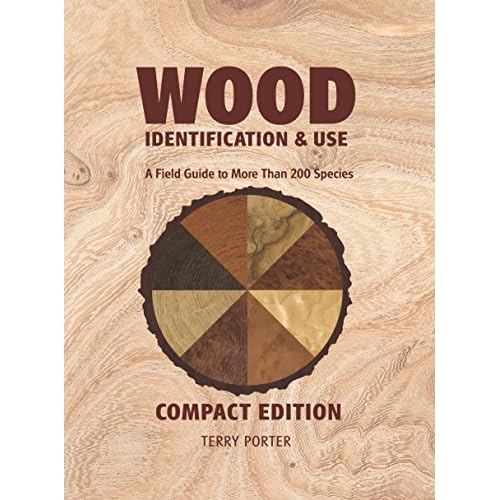

Next, observe the hue. Species like cherry develop a rich reddish tone over time, while pine remains lighter and often has a yellowish tint. The natural color variations can provide vital clues to help ascertain the origin.
Pay attention to weight. Denser varieties, such as mahogany, feel heavier compared to lighter ones like balsa. This can significantly narrow down potential matches during your evaluation.
Check for knots and imperfections. Certain logs, such as walnut, often contain more natural character marks, while others, like poplar, tend to have a more uniform appearance. These irregularities can be signature traits of specific materials.
Finally, consider the age of the piece. Antiques often reflect specific styles and preferences tied to particular periods, which can also relate to chosen materials. A well-preserved antique might reveal more details about the construction methods used, which could aid in recognizing the essence of the piece.
Engaging with these characteristics–grains, colors, weights, imperfections, and history–can provide a clearer picture of what you are observing in your home’s pieces.
Recognizing Common Wood Species by Color
To distinguish various species, examining coloration provides a straightforward method. For instance, the rich, warm tones of cherry are easily recognizable, often showcasing shades from light pink to deep reddish-brown. This transformation occurs as it ages, resulting in a deeper hue over time.
Oak typically presents a light to medium brown appearance, featuring a prominent grain pattern. Known for its durability, oak can stand out with its distinct yellowish undertones, especially in white oak variants.
Birch and Maple
Birch tends to have a pale yellow to white color, characterized by a smooth texture. Its subtle sheen enhances its elegance in any setting. Conversely, maple can range from creamy white to amber tones; hard maple varieties often exhibit a reddish hue, making it easily distinguishable.
Pine and Mahogany
Pine is usually light in color, leaning towards yellow or pale brown, with occasional darker knots that add character. Mahogany, on the other hand, stands out with its deep reddish-brown tones and tight grain; it darkens with age, making it more appealing over time.
Using Grain Patterns for Wood Identification
Examine the grain closely; it can reveal significant hints. For instance, oak exhibits prominent rays and a coarse texture, which helps distinguish it from smoother woods. In contrast, maple possesses a tighter, more uniform grain with occasional curly patterns, signaling its identity.
Pine showcases a distinctive pattern with wide, open grains and visible knots, making it easy to spot. Walnut features a richer, darker grain with swirling patterns, showcasing its unique character. Birch offers a fine, even grain with a subtle sheen that can be a telltale sign.
Look for unique features; cherry develops a rich patina over time, and its grain becomes more pronounced, which aids in recognition. Mahogany often has a straight grain, but its deep reddish-brown hue sets it apart distinctly. Lastly, teak displays interlocking grain patterns, accompanied by an oily texture, which is indicative of its durability.
Comparing these characteristics side by side aids in a more accurate assessment. Utilizing a magnifying glass can enhance the visibility of intricate details in the grain, allowing more precise differentiation. Keep a reference guide or images handy for quick comparisons. Engaging with these nuances enriches one’s understanding and appreciation of various species.
Evaluating Density and Weight of Wood
To accurately assess the solidity of timber, I focus on two key indicators: density and weight. This approach provides insight into the species in question. One effective method is to perform a simple buoyancy test. Fill a container with water and drop a small piece of the material in. The more it displaces water, the denser it is. For precise measurements, I recommend using a scale to determine the weight of a standard-sized piece, ideally a 1-inch thick cut, and calculating the density using the formula: density = mass/volume.
Densities of common species can vary significantly. For example, oak typically has a density around 0.75 g/cm³, while pine ranges from 0.38 g/cm³ to 0.45 g/cm³. I find this variability essential in narrowing down the options. Here’s a quick reference table for popular woods:
| Species | Density (g/cm³) |
|---|---|
| Oak | 0.75 |
| Pine | 0.38 – 0.45 |
| Mahogany | 0.55 – 0.75 |
| Maple | 0.63 – 0.75 |
| Birch | 0.66 – 0.79 |
When I compare the weight of various materials, I notice that heavier pieces often indicate harder and more durable varieties, like hickory and teak, which can weigh upwards of 0.9 g/cm³. Light ones indicate softer species. I keep a reference piece made from each type to visualize differences further, as hands-on experience significantly aids in recognition.
By combining density and weight evaluations with color and grain patterns, I gain a clearer understanding of the material at hand, enhancing my ability to differentiate between species in a practical manner.
Observing Surface Finish and Texture Differences
Pay attention to the surface treatments that can indicate specific characteristics of timber. The finish, ranging from glossy to matte, can provide clues. For example, mahogany often has a rich, deep luster when polished, while oak may present a more textured and matte appearance due to its prominent grain.
Surface Treatments
- Stains: Different stains enhance wood’s natural nuances, helping to classify. Walnut absorbs stain well, appearing darker, while maple tends to remain lighter.
- Varnish: Some finishes, like polyurethane, give a hard and shiny look, often seen on hardwoods such as cherry.
- Oil Finishes: These allow the grain to show through and can be common in softer woods like pine and cedar, giving them a warmer, more natural feel.
Texture Examination
Touch is as informative as sight. Inspect for smoothness versus roughness: hardwoods like teak often have a more polished feel, whereas softer varieties such as birch can have a grainy texture. Look for:
- Grain Patterns: Lightly sanded surfaces can reveal unique indentations, such as the cross-hatching in ash.
- Knots and Burls: The presence of these features can indicate softer, more casual species like pine, while fewer knots often signify a denser hardwood.
Exploring finishes and textures goes hand-in-hand with recognizing the inherent qualities of timber. Each detail aids in painting a fuller picture of the materials used.
Identifying Smell as a Wood Characteristic
To discern specific species, I focus on the aroma emitted from the timber. Each variant has a unique scent profile. For instance, cedar exudes a sweet, aromatic fragrance that is both refreshing and distinct, often associated with its natural oils. On the contrary, oak has a more subtle, earthy scent that can be hard to differentiate unless you’re familiar with it.
I recommend bringing the piece closer to my nose for a better assessment. Sometimes, slight warmth can enhance the fragrance, revealing hidden characteristics. Pine, when freshly cut or sanded, gives off a sharp, resinous scent that can easily guide my recognition process.
Additionally, I pay attention to how the aroma changes over time. Certain woods, like mahogany, may initially have a faint, sweet scent that becomes richer and more pronounced with exposure to air and warmth. If I detect a pungent, musty odor, there’s a possibility of moisture damage or mold, which can also indicate certain conditions and wood types susceptible to such issues.
In closed spaces, like a cabinet, the residual smell can linger, providing clues about the original material. Comparing these olfactory experiences with known references enhances my ability to differentiate among various specimens effectively.
Remember, this sense is highly subjective; I consult multiple sources or reference materials to validate my findings when in doubt. Engaging with different specimens and their scents creates a personal library of sensory experience, enriching the identification journey.
Assessing Durability and Hardness in Furniture Woods
To determine the durability and hardness of materials used in crafting movable items, I rely on the Janka hardness test results. This test measures the resistance of a sample to denting and wear, providing concrete information about its performance. For instance, species like oak and maple boast high hardness ratings, making them ideal for high-traffic items.
Understanding Resistance to Elements
Resistance to moisture and insects is also critical. I choose woods that have naturally occurring oils, like teak and cedar, which offer excellent weather resistance and durability. Examining the finish can reveal the treatment applied to a surface to enhance resistance properties.
Evaluating Wear Over Time
Finally, observing signs of wear and tear over time can give insights into longevity. I inspect surfaces for scratches, fading, or chipping. A resilient material will typically show less damage with daily usage. By combining these assessments, I can confidently gauge the robustness of the material in question.
Identifying Wood Species through Knots and Burls
Examine the knots and burls for distinctive characteristics. Knots often indicate how branches extend from the trunk, and their presence can suggest specific species. For instance, conifers like pine typically have large, loose knots, while hardwoods such as oak may feature tighter, smaller knots. The size, shape, and arrangement of these imperfections provide clues regarding the kind of timber utilized.
Burls, which are abnormal growths found on trees, present unique patterns and textures. Burls create rich, swirling grain patterns, commonly seen in species like walnut and maple. Their irregular surfaces enhance both beauty and desirability, making them sought after in artisan craftsmanship.
The coloration surrounding knots and burls can also be indicative. Dark streaks or contrasting hues may suggest specific species. For example, mahogany exhibits reddish hues with pronounced burls, while cherry can display lighter tones with fine, subtle burled features. By closely observing these elements, I can deduce not only the visual appeal but also the underlying variety of the timber in use.
Finally, touch the surface where knots and burls occur. The texture may vary significantly–smooth, rough, or even wavy–which adds to the distinguishing factors. Utilizing these attributes allows for a more informed assessment of the material employed in a particular piece.
Analyzing Edge Profiles for Wood Identification
When examining the edges of a piece, the profile can reveal a lot about its species. I pay close attention to the contours and details formed at the edges. For instance, a rounded edge might indicate a softer material, while a squared profile often signals a more durable variety.
Common Edge Profiles
Several distinct shapes are characteristic of certain species. Rounded edges are typically found in pine and fir, which tend to be softer woods. On the other hand, sharp, clean cuts are often seen in hardwoods like oak and walnut, demonstrating their tough nature. Some exotic varieties display intricate edge profiles, showcasing unique craftsmanship alongside the material’s resilience.
Edge Finishing Techniques
The finishing method applied to edges also provides insights. A polished edge suggests an intentional design choice and may indicate a higher-quality species. Conversely, rough or unfinished edges might point toward a less refined wood or lower craftsmanship. To ascertain the work’s quality, I observe whether edges are beveled or straight cut; this can often hint at the intended use and style of the item.
Combining these observations can narrow down the possibilities significantly, allowing for a more precise understanding of the material in question. By analyzing the edge profiles, I gain valuable clues to assist in determining the specific wood variety I am dealing with.
Using Online Resources and Apps for Wood Identification
Utilizing digital tools can significantly streamline the process of determining the characteristics of timber. Several platforms and applications cater specifically to this need. Here are some suggestions that I’ve found helpful:
Recommended Resources
- Wood Database: This extensive online resource offers an alphabetical catalog of various species, complete with images, descriptions, and key properties. It’s an excellent starting point for anyone interested in exploring different kinds of timber.
- Timber Identification Apps: Applications like “TimberID” or “Wood Species Identifier” leverage image recognition technology to provide instant analysis based on photographs uploaded by users. A quick scan can yield specific species information.
- Reddit Communities: Subreddits dedicated to woodworking and DIY projects often feature threads where members analyze and debate the characteristics of different materials, providing a collaborative platform to gain insights.
Key Features to Explore
- Image Comparisons: Many sites feature side-by-side comparisons of various materials, helping in identifying differences in color, grain, and texture.
- Community Forums: Engaging with communities can yield anecdotal evidence and personal experiences, giving context to the technical specifications found in more formal databases.
- Glossary of Terms: Familiarizing oneself with technical jargon can enhance understanding. Many resources provide glossaries that explain the terminology commonly associated with timber characteristics.
These online resources and apps make accessing valuable information about timber characteristics effortless, enabling anyone from hobbyists to professionals to refine their knowledge and skills.


