
 Caleb Turner

To significantly reduce the presence of feathered creatures on outdoor seating, I recommend using reflective materials. Mylar strips, aluminum foil, or even old CDs can create bright reflections that instinctively scare away birds. Hang these items near seating areas or place them on tables for a more effective barrier.
In addition to shiny objects, sound deterrents can be beneficial. Devices that emit predator calls or distress sounds can effectively discourage unwanted visitors. Placing these strategically around the outdoor space maximizes their impact, combining auditory deterrence with visual cues.


Natural repellents like certain herbs can work wonders too. Planting mint, sage, or basil nearby can create an unwelcoming environment, as many birds steer clear of these scents. This solution not only enhances the area aesthetically but also provides a functional barrier against avian intruders.
Lastly, consider utilizing physical barriers such as nets or mesh covers. These options protect your seating comprehensively while allowing you to enjoy the outdoors. Choosing the right approach ensures a harmonious balance between enjoying nature and maintaining the cleanliness of your outdoor belongings.
Effective Strategies to Discourage Avian Visitors from Outdoor Seating
Utilizing reflective surfaces can significantly deter unwanted avian activity. Consider placing metallic foil strips or old CDs near seating areas. The movement and light reflection create a disorienting effect, making the area less appealing.
Installing motion-activated devices is another practical solution. These gadgets emit noises or bursts of water upon detecting motion, effectively scaring away any winged intruders.
- Opt for flexible plastic owls or other decoys to create the illusion of a predator.
- Use netting or bird spikes on surfaces to create an uncomfortable landing experience.
- Incorporate scent deterrents, such as citrus peels or commercial repellents, which many species tend to avoid.
Creating a less inviting environment may involve keeping the vicinity clean. Regularly removing crumbs, spills, or food sources is essential to reducing attraction.
Introducing alternative feeding stations farther away can redirect attention. Placing bird feeders at a distance from seating arrangements helps draw them away from favorite perching spots.
Utilizing garden décor items like wind chimes can introduce sound disturbances, further discouraging their presence with auditory distractions.
Understanding Bird Behavior Around Outdoor Spaces
Paying attention to feeding habits can significantly influence the presence of avian visitors. Offering alternative feeding sources can draw them away from your seating areas. Consider placing a bird feeder filled with seeds away from your patio or deck. This strategy diverts them to a designated area, minimizing their interest in your relaxation spots.
Common Attractions for Avifauna
Over the years, I have observed several factors that attract avian creatures to outdoor spaces. Here are key elements that can serve as pull factors:
| Attraction | Recommendation |
|---|---|
| Food Sources | Replace traditional birdfeeders with those designed for a specific region. Use suet or nectar to cater to local species. |
| Water Access | Install a birdbath some distance from your furniture, ensuring it has a steady supply of fresh water. |
| Nesting Areas | Trim back overgrown plants and trees to discourage nesting near relaxation spots. |
Seasonal Variations
During certain seasons, avian activity can spike. Maintaining a clean environment is crucial; regularly cleaning up food remnants and debris can lessen appeal. Additionally, understanding migration patterns can help anticipate and manage their behavior throughout the year. By identifying when particular species are more prevalent, I can adjust my strategies accordingly.
Utilizing auditory deterrents, such as wind chimes or predator calls, can also be an effective approach. These sounds can create an environment that feels less safe for them, encouraging relocation to more hospitable areas.
Choosing the Right Furniture Materials to Deter Birds
Select materials that are less appealing to avian visitors. For instance, opting for smooth finishes and non-porous surfaces reduces the likelihood of birds perching or nesting. Consider metal or high-quality plastic, which tend to be less inviting compared to wood or fabric options.
Metal and Plastic Options
Metal furniture, such as aluminum or stainless steel, offers durability and a sleek appearance. This type of material does not retain heat or moisture, minimizing attractiveness to defecators. High-density polyethylene (HDPE) is another excellent choice due to its resistance to fading and damage, along with being easily cleaned.
Maintenance and Aesthetic Considerations
Regular maintenance such as cleaning and occasional polishing can enhance the appeal of your chosen materials, making them less likely to attract attention from aerial creatures. Additionally, employing neutral or solid colors may diminish visibility and create less of a target for potential nuisances.
Implementing Physical Barriers Like Covers and Netting
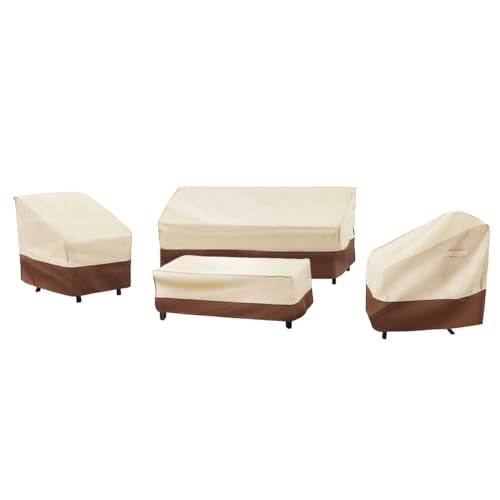
Cover your outdoor seating with fitted tarps or breathable fabric. These materials prevent access while allowing moisture to escape, reducing the risk of mold.
Consider fine netting as an alternative. It can be draped over items to create a physical block without detracting from the aesthetic appeal of the area.
Always ensure that any barrier used is secured tightly to prevent animals from slipping underneath or becoming trapped.
It’s beneficial to utilize weighted corners on coverings to withstand wind and keep them in place.
A table with specifics on material choices:
| Material Type | Advantages | Disadvantages |
|---|---|---|
| Tarpaulin | Durable, waterproof | Can trap heat, may promote mildew |
| Breathable Fabric | Reduces moisture buildup | Less durable in harsh weather |
| Fine Netting | Effective barrier, prevents access | Can be damaged easily, less visibility |
Regular maintenance of these barriers ensures their longevity and performance. Clean them periodically to maintain functionality and appearance.
Utilizing Visual Deterrents to Reduce Bird Presence
Reflective surfaces serve as an immediate solution to dissuade avian visitors. Items like foil strips, old CDs, or reflective tape can be hung around seating areas to create an unsettling environment. The intermittent flashes of light catch the attention of these creatures, causing them to seek refuge elsewhere.
Decoys and Scare Tactics
Incorporating fake predators such as owls or hawks can be highly effective. Place these decoys in visible spots. Regularly change their positions or disguise them to prevent familiarity, as creatures may become accustomed to stationary objects over time.
Color and Movement
Bright colors and motion are also beneficial. Employ wind spinners, flags, or colorful streamers near your outdoor seating. The combination of movement and vivid hues creates an intimidating atmosphere, discouraging avian congregations from settling down.
Creating an unwelcoming ambiance through visual deterrents not only protects outdoor seating but also maintains its cleanliness. Experiment with different combinations to find what works best in your space.
Applying Noise Makers for Bird Control on Furniture
Using sound to deter avian visitors can be highly effective. I recommend incorporating a variety of noise-making devices to create an environment that is uncomfortable for them.
Types of Noise Makers
- Ultrasonic Repellers: These devices emit sounds at frequencies higher than humans can hear but are unpleasant for many bird species. Place them near seating areas for maximum impact.
- Wind Chimes: The gentle clinking of metal can create a soothing yet deterrent effect, especially in breezy conditions. Opt for larger chimes, as they produce more noticeable sounds.
- Recorded Calls: Using recordings of predatory birds or distress signals from other birds can create a sense of danger. Rotate the recordings regularly to prevent habituation.
Placement Strategies
- Position devices at various heights. This way, sounds cover a more expansive area.
- Avoid clustering all noise-makers together; dispersing them allows for broader sound coverage.
- Ensure some devices are mobile so they can be relocated as needed, depending on activity patterns in the area.
Regularly check noise makers for functionality. Birds can quickly become accustomed to consistent sounds. Changing placement and types of noises can renew their effectiveness over time.
Maintaining a Clean Outdoor Environment to Avoid Attraction
Regularly clearing any food remnants from surfaces is crucial. Scraps from outdoor dining can draw unwanted visitors. Ensuring all eating areas are kept pristine will significantly reduce the likelihood of feathered guests settling down.
Implementing a routine to dispose of any trash or leftovers can diminish appeal. Utilizing sealed containers for refuse is advisable, as open bins can attract wildlife.
Encouraging a tidy environment around seating areas also helps. Avoid leaving cushions or other fabric items exposed for long periods, since these can retain scents or crumbs that attract animals.
Choosing non-porous and easy-to-clean materials for outdoor setups simplifies the maintenance process. Regular inspections and cleaning schedules will help maintain an uninviting space for unwelcome visitors.
Planting native, bird-resistant vegetation can also play a role in naturally deterring wildlife from lingering. Certain plants can serve as a barrier or distraction, drawing attention away from areas you wish to protect.
Ultimately, a commitment to upkeep and cleanliness creates an atmosphere that’s less inviting to unwelcome creatures. By adopting these habits, I ensure my outdoor spaces remain enjoyable and inviting for human use only.
Considering Natural Predators as a Deterrent Strategy
Incorporating natural predators can effectively reduce unwanted activity from feathered visitors. Here are practical steps to integrate this approach:
- Introduce decoys that resemble predators such as hawks, owls, or eagles. Place them strategically around seating areas to create an impression of danger.
- Utilize sonic deterrents that mimic predator calls. These sounds can create an unsettling environment for smaller species.
- Consider employing actual predator birds, such as trained falcons, in your outdoor area. This can dissuade other avian species from approaching.
- Encourage the presence of natural predators in your surroundings by planting native flora that attracts them. Examples include berry-producing bushes that support raptor hunting behavior.
Monitoring Effectiveness
Regularly assess the effectiveness of deployed deterrents. Adjust placements and methods based on observed avian activity. In some cases, combining multiple strategies could yield better results.
Safety Considerations
While integrating predator concepts, ensure that any decoys or sounds do not disturb pets or other wildlife. Be mindful of local regulations regarding the use of live birds or certain chemicals.
Consulting Professionals for Customized Bird Management Solutions
Enlisting the help of specialists can transform your outdoor experience by implementing tailored strategies for nuisance control. Expert consultations often begin with an assessment, identifying specific patterns associated with local avian activity. Based on this assessment, customized plans are developed that consider factors such as location, type of outdoor items, and specific bird species prevalent in the area.
Benefits of Professional Support
One major advantage is access to advanced tools and techniques that may not be readily available to the average homeowner. These professionals can recommend innovative solutions like tailored repellent products or specialized netting designed to protect your belongings while minimizing visual disruption.
Long-Term Strategies
In addition to immediate deterrents, experts provide guidance on long-term maintenance to keep unwanted visitors at bay. This can involve regular inspections and updates to your deterrent techniques, ensuring ongoing effectiveness. Regular consultations can also adapt to changing avian behaviors or seasonal trends, maintaining a pleasant outdoor space.
FAQ:
What are some easy methods to deter birds from sitting on my lawn furniture?
There are several straightforward methods to keep birds away from your lawn furniture. One effective approach is to use physical barriers such as bird spikes or netting. Positioning these items around the furniture can make it uncomfortable for birds to land. Additionally, reflective objects like aluminum foil or old CDs can create an unsettling environment for birds that prefer darker, quiet areas. Hanging wind chimes or using noise-making devices can also be effective in scaring them off. Lastly, consider using natural repellents, such as certain scents that birds tend to avoid, sprayed lightly around the area.
Are there specific bird-repellent products I can buy that are safe for outdoor furniture?
Yes, there are various bird-repellent products available in stores and online that are safe to use around outdoor furniture. Bird repellent gels can be applied to furniture surfaces; they create a sticky barrier that makes landing uncomfortable for birds. There’s also bird deterrent spray that emits smells that are unappealing to many bird species without harming them. Look for eco-friendly options that are specifically designed for outdoor use to ensure they don’t damage your furniture or harm the environment.
Why do birds prefer to perch on lawn furniture, and how can understanding this help in keeping them away?
Birds are attracted to lawn furniture for several reasons. Firstly, these surfaces often provide a flat, stable platform that is sheltered from predators. Additionally, furniture made from wood or other natural materials might retain heat or feel inviting to birds. Understanding this behavior can aid in crafting effective deterrents. For instance, making the furniture less appealing by covering it with a tarp when not in use or keeping surfaces clean and devoid of food can be helpful. Also, ensuring that nearby trees or structures do not provide easy access to the furniture can reduce their tendency to land there.
How can landscape changes in my yard influence the presence of birds on my lawn furniture?
Changes in your yard’s landscape can significantly affect bird activity. If you add more trees or shrubs, these can create attractive nesting or resting sites for birds, increasing their presence around your furniture. Conversely, removing dense vegetation or using thorny plants can deter birds from nesting nearby and reduce their chances of perching on your furniture. Furthermore, creating open areas without cover may discourage birds from settling down around your outdoor seating. It all comes down to providing an environment that is less inviting for them while maintaining the aesthetic you want for your yard.


