Caleb Turner

One of the simplest ways I’ve found to deter winged visitors from claiming space on my patio surfaces is by using reflective materials. Items like aluminum foil strips or old CDs can be hung above the area, creating movement and light reflections that birds tend to avoid.
Another effective strategy involves installing physical barriers. Netting or bird spikes can provide a straightforward solution. Positioning these items along ledges or railings effectively limits landing opportunities, making the environment less appealing to our feathered friends.
Additionally, employing scent deterrents has produced positive results as well. Products with natural ingredients, such as peppermint or citrus oils, can be applied to the surfaces. Birds may be less inclined to return if they associate the area with an unpleasant scent.


Lastly, employing decoys like plastic owls or predatory bird silhouettes can extend a psychological deterrent. These items mimic the presence of a natural predator, prompting smaller avian species to steer clear. Remember to reposition these decoys regularly to maintain their effectiveness.
Understanding bird behavior to prevent them
Utilizing scare tactics can deter avian activity. Hanging reflective objects, such as old CDs or aluminum foil strips, creates movement and glinting light, unsettling these creatures. Positioning these items at various heights maximizes their effectiveness.
Identifying feeding patterns helps in reducing unwanted visits. Observing when and where they gather can inform the strategic placement of decoys. Fake predatory birds, like hawks or owls, can create a sense of danger, prompting them to avoid the area.
Time of day plays a significant role; most species are more active during dawn and dusk. Covering surfaces during these peak hours can lead to a decrease in visits. Consider using protective coverings that are easy to apply and remove.
Creating an uninviting environment matters as well. Utilizing certain essential oils, such as peppermint or eucalyptus, can repel these creatures due to their strong scents. Applying these oils around the area may reduce their presence.
Maintaining cleanliness is crucial. Removing food sources, such as spilled seeds or crumbs, discourages them from returning. Regularly wiping down surfaces eliminates attractive residues, making the space less inviting.
Implementing barriers, like netting or wire meshes, can effectively block access to specific areas. Ensure that these enclosures are robust yet visually unobtrusive, allowing for a seamless aesthetic while providing protection.
Choosing the Right Materials for Your Outdoor Seating
Opt for specific options that naturally deter unwanted visitors. Non-porous materials like metal and resin make cleanup simple and less appealing for unwanted guests. Consider the following:
- Aluminum: Lightweight and resistant to rust, perfect for easy maintenance.
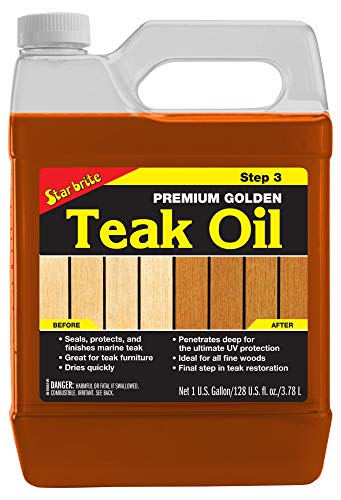
- Teak: Dense and oil-rich wood provides natural resistance to moisture and pests.
- Vinyl: Offers a waterproof surface; easy to wipe down after accidental spills or droppings.
Incorporating textiles can also impact effectiveness. Choose synthetic fabrics with a tight weave, as they are easier to clean and less prone to staining. Some options to consider include:
- Solution-dyed acrylic: Fades less and withstands harsh weather.
- Polyester blends: Durable and water-resistant, suitable for frequent use.
Additional protective coatings and sealants enhance surfaces, creating barriers against natural elements and ensuring longevity. Regular application can significantly minimize wear and tear.
Lastly, consider elements like color and texture. Light colors can reflect heat, making those areas less inviting. Textured surfaces can disrupt easy perching, encouraging a less favorable environment for visitors.
Using bird repellent products safely
Opt for natural deterrents, such as peppermint oil or vinegar sprays. Mix a few drops of essential oils with water in a spray bottle to create an effective repellent solution. Always test on a small area first to ensure no damage occurs.
When using chemical repellents, read product labels carefully. Some may contain harmful substances that pose risks to pets, children, and the environment. Choose those labeled as environmentally friendly and safe to use around animals and plants.
Avoid applying products in high winds to prevent unwanted dispersal. Use in calm weather to ensure precise application. Additionally, consider the time of day–early morning or late afternoon is optimal when potential visitors are active.
Ensure to store any repellent chemicals securely and out of reach of children and pets. Follow all safety precautions indicated on the packaging, including wearing gloves and masks if necessary during application.
| Repellent Type | Ingredients | Safety Tips |
|---|---|---|
| Natural Sprays | Peppermint oil, vinegar, water | Test surface first; avoid high winds |
| Chemical Repellents | Various active ingredients | Read label; keep away from pets and children |
Regularly reapply to maintain effectiveness, especially after rain or cleaning. Monitor surfaces for any signs of unwanted guests and adjust your approach as needed to ensure your space remains inviting and clean.
Implementing Physical Barriers on Outdoor Furniture
Installing mesh covers is a straightforward method to shield items like chairs and tables from avian visitors. Use durable materials that allow airflow while preventing access. Be sure to secure these covers tightly to avoid gaps.
Types of Barriers
- Nets: Lightweight nets can drape over larger pieces, ensuring full coverage without obstructing visibility.
- PVC Pipe Frames: Create frames that elevate protective sheets above seating. This technique effectively discourages landing.
- Spikes: Installing plastic or metal spikes on surfaces can deter perching, preventing accumulation of droppings.
Installation Tips
- Choose materials that withstand outdoor conditions; UV resistance is crucial for longevity.
- Ensure tight fittings around edges; loose ends can create entry points.
- Consider using removable barriers for easy access during gatherings.
Routine checks for wear and tear help maintain the integrity of barriers, ensuring continued protection. Adjustments may be necessary seasonally to account for changes in wildlife activity.
Creating an Uninviting Environment for Birds
Utilizing reflective surfaces is one effective tactic. Placing reflective tape or shiny objects like old CDs around the area can deter feathered visitors, as they are often disturbed by flashes of light. This strategy creates uncertainty, making the area less appealing.
Sound Deterrents
Incorporating sound devices such as wind chimes or ultrasonic bird repellers can help. These sounds disrupt the normal ambience, preventing birds from feeling comfortable. Choose sounds that intrigue without causing distress to nearby wildlife.
Employing Natural Deterrents
Introducing certain plants can also discourage unwanted visitors. Species such as lavender or rosemary are not favored by many avian species due to their strong scents. Strategically placing these plants around sitting areas can help maintain a serene environment while keeping winged creatures at bay.
Utilizing scare tactics to deter feathered visitors
Reflective surfaces can be a helpful strategy. I recommend hanging shiny objects like old CDs, aluminum foil strips, or reflective tape around seating areas. The reflections disorient the creatures and make them less likely to linger.
Noise deterrents
Noise-making devices such as wind chimes or recordings of predator calls can effectively scare away unwanted guests. I often place a few strategically around my patio to create an auditory environment that feels threatening to them. Regular sounds might lose their effectiveness, so I suggest periodically changing the location of these noise makers.
Predator decoys
Implementing lifelike decoys of predators like owls or hawks can be beneficial. I place these models in visible spots to create a sense of danger. To enhance their effectiveness, I recommend moving them occasionally to avoid the creatures getting used to their presence.
Regular Maintenance and Cleaning of Outdoor Spaces
Regularly inspecting and maintaining your outdoor areas ensures less attraction for unwanted wildlife. Clean surfaces frequently to eliminate food sources and nesting materials. I make it a weekly routine to sweep patios, remove debris, and wipe down tables and chairs. Using a mixture of water and vinegar can effectively clean surfaces and deter potential visitors.
Seasonal Upkeep
Each season requires specific tasks. In spring and summer, trimming back overhanging branches reduces cover for feathered creatures. During autumn, I remove fallen leaves and debris, which can harbor insects. Winter preparations include covering or storing items that may attract attention during colder months.
Storage Solutions
Investing in proper storage can significantly minimize unwanted gatherings. I utilize covered containers for cushions and any accessories that could attract attention. Ensuring that my outdoor items are stored securely also prolongs their lifespan and maintains aesthetics.
FAQ:
What are some effective methods to prevent birds from sitting on outdoor furniture?
There are several strategies to keep birds off your outdoor furniture. One popular method is using bird deterrent solutions such as spikes or netting, which physically prevent them from landing. Another approach is to use reflective objects, like aluminum foil or old CDs, hanging from trees or furniture; their shiny surfaces will scare birds away. Additionally, placing decoys of predatory birds, such as owls, can discourage smaller birds from approaching. Using scents that birds dislike, like citrus, can also help in some cases. Combining these methods often yields the best results.
How can I protect my outdoor cushions from bird droppings?
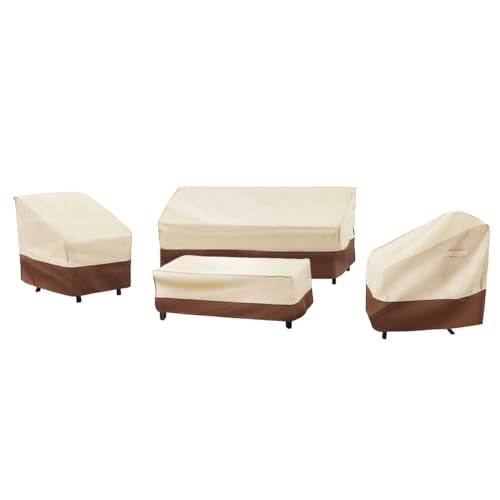
To protect your outdoor cushions from bird droppings, consider using covers that are specifically designed for outdoor furniture. These covers not only shield cushions from dirt and droppings but also provide protection from the elements. Regular cleaning is another key practice; washing the covers often can help maintain their appearance. Additionally, positioning cushions in a way that minimizes exposure to perches used by birds can be effective. For example, moving furniture away from trees or installing barriers can reduce the likelihood of birds landing nearby.
Are there any natural repellents for birds that I can use?
Yes, several natural repellents can be used to keep birds away from outdoor spaces. One effective option is using essential oils, such as peppermint or citrus oils, diluted in water and sprayed around the furniture area. Birds typically find these scents unpleasant. Another option is creating a barrier with spices like cayenne pepper, which can be sprinkled on surfaces where birds land. Additionally, planting herbs like basil or rosemary can create a deterrent, as many birds dislike the scent of these plants. Regularly refreshing these natural repellents can enhance their effectiveness.
Does the placement of furniture affect how often birds land on it?
Yes, the placement of outdoor furniture can significantly influence how often birds choose to land on it. Furniture located near trees or shrubs is more likely to attract birds, as they provide natural perches and shelter. To minimize bird activity, consider moving furniture away from these areas or creating barriers, such as tall plants or fencing, to discourage landings. Additionally, positioning furniture in open spaces away from bird feeders or water sources can reduce visits from birds. Enhancing the distance between your furniture and bird-friendly environments can make a noticeable difference.
What are some signs that birds have been visiting my outdoor furniture?
There are several signs indicating that birds have been visiting your outdoor furniture. The most obvious sign is bird droppings, which can be found on the surface of chairs, tables, or cushions. You might also notice feathers scattered around the area, indicating their presence. Additionally, if you find seeds, nuts, or other food residues on or around the furniture, birds might have been foraging nearby. Sounds such as chirping may alert you to their activity as well. Monitoring these signs can help you identify when birds frequent your outdoor space, guiding you to take preventive measures if needed.
What are some effective methods to keep birds away from my outdoor furniture?
There are several ways to discourage birds from perching on your outdoor furniture. One option is to use physical barriers, such as bird spikes or netting, which can prevent them from landing. Additionally, reflective objects like aluminum foil or wind chimes can create distractions that birds find unappealing. Another method includes using non-toxic bird repellents or scents that are unpleasant to birds, such as vinegar or certain essential oils. Regularly cleaning your furniture to remove any food remnants can also help reduce attraction.
How do I choose the right bird deterrent for my outdoor space?
Choosing the right bird deterrent depends on your specific situation and the types of birds in your area. If you have larger birds like pigeons, more robust solutions like spikes or netting may be effective. For smaller birds, visual deterrents such as scarecrows or reflective tape might work well. Consider your outdoor environment—if you have a garden, a natural repellent like planting herbs that birds dislike can be both effective and aesthetically pleasing. It’s advisable to observe the patterns of bird activity before deciding on a method, as different approaches may be needed based on their behavior.