
 Caleb Turner
To eliminate those bothersome electrical discharges from surfaces, I recommend using an anti-static spray. This simple product can significantly reduce the friction between items and the surrounding air, thereby preventing build-up. A quick application on the surface will create a protective barrier against static creation.
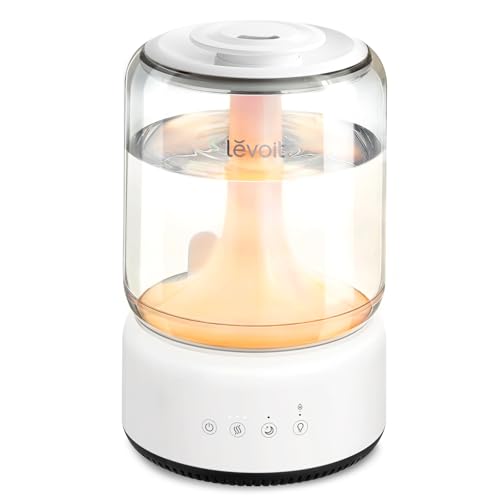
Another effective tip is to increase humidity within the room. A humidifier can help maintain moisture in the air, which diminishes the likelihood of static energy accumulation. Keeping indoor humidity levels above 30% will work wonders in reducing uncomfortable shocks.
In addition, consider changing the materials within a space. Opt for natural fabrics like cotton or wool for pillows and drapes, as these accumulate less charge compared to synthetics. Introducing a few plants can also serve a dual purpose; enhancing decor while further boosting humidity levels in the area.
Regular cleaning can disrupt the conditions that facilitate electric charge build-up. Using dryer sheets on surfaces can also be a quick fix, as they often contain anti-static agents that combat the problem effectively.
Methods for Minimizing Electricity Buildup on Surfaces
Applying a fabric softener solution to a cloth can significantly decrease the clingy effect on different surfaces. Mix equal parts of softener and water in a spray bottle, lightly mist the cloth, and wipe down various items. This creates a protective layer that helps combat electricity.

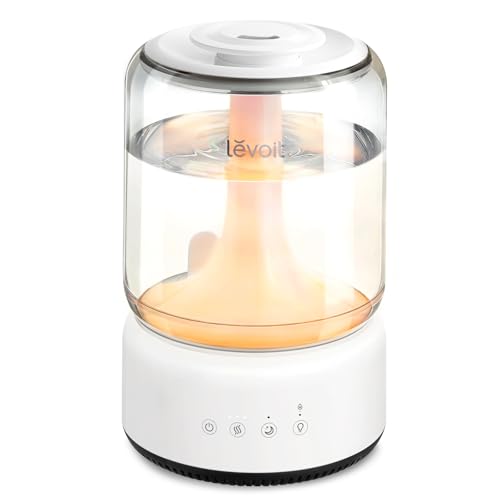
Humidity Control
Increasing moisture in the air can be an effective tactic. Utilize a humidifier during dry seasons to maintain optimal humidity levels. Keeping indoor air between 30-50% can lessen the chance of energy accumulation.
Material Selection
Choosing the right materials for your space can also make a difference. Opt for items made from natural fibers, such as cotton or wool, as they resist energizing better than synthetic alternatives. Incorporate plants too, as they release moisture and can contribute positively to indoor climate.
Experimenting with these techniques consistently will provide a more comfortable living environment, free from the hassle of unwelcomed shocks.
Understanding the Causes of Electrical Charges on Furniture
One primary factor behind the build-up of electrical charges on surfaces is the type of materials used in making the items. Synthetic fabrics like polyester or materials like plastic can easily accumulate these charges due to their low conductivity, especially in dry conditions.
Environmental Conditions
Humidity plays a significant role; low moisture levels in the air exacerbate the problem by allowing charges to build up without the possibility of grounding. High indoor temperatures alongside minimal humidity create a high risk for this phenomenon.
Movement and Friction
Simple activities like moving or rubbing against objects can create friction, which leads to the transfer of electrons between two surfaces. For instance, dragging a wool blanket across a leather sofa can generate noticeable electrical charges. Maintaining awareness of how and where movements occur can help mitigate the issue.
| Material Type | Charge Accumulation Potential |
|---|---|
| Wood | Low |
| Leather | Medium |
| Plastic | High |
| Polyester | Very High |
Choosing the Right Materials to Reduce Buildup
Selecting appropriate materials plays a significant role in minimizing accumulation of electrical charge. Opt for fabrics made from natural fibers, such as cotton or wool, which tend to be less prone to creating a charge compared to synthetic materials like polyester or nylon.
Furniture Construction
For wooden pieces, consider using solid wood instead of particleboard or MDF, as solid wood has better conductivity and can help disperse charge more effectively. Finish options also matter; choose finishes that are water-based or oil-based, as they are typically less electrifying than certain lacquers or varnishes.
Accessories and Soft Goods
Incorporate textiles with low static properties in cushions and throws. Look for heavy curtains made from natural materials to help absorb moisture and reduce friction. Utilizing rugs with natural fibers can also aid in minimizing charge; avoid rubber or synthetic backing that may exacerbate the issue.
Invest in grounding mats or anti-static sprays that can complement the selection of materials, further assisting in control of electrical buildup. Regular maintenance, including damp dusting, contributes to an environment less conducive to charge formation.
Using Humidifiers to Balance Indoor Moisture Levels
I recommend using humidifiers as an effective solution for maintaining optimal moisture content in the air. This helps reduce the buildup of electrical charges that cause annoying discharges when touching objects around the house.
Choosing the Right Humidifier
Selecting the appropriate humidifier involves considering factors like room size and desired humidity level. Here are options to consider:
- Cool Mist Humidifiers: Ideal for larger areas, these models cool the air while adding moisture.
- Warm Mist Humidifiers: Suitable for smaller spaces, they provide warmth and humidity, perfect for colder climates.
- Ultrasonic Humidifiers: Use sound vibrations to create a fine mist and are often quieter than other models.
Benefits of Using a Humidifier
Incorporating a humidifier into your home delivers numerous advantages:
- Helps maintain a comfortable atmosphere, especially in winter months.
- Reduces respiratory irritations by keeping nasal passages moist.
- Minimizes symptoms of dry skin and chapped lips.
- Protects wooden items and surfaces from cracking due to dryness.
- Enhances overall comfort in living spaces, making it more enjoyable.
Regular maintenance of the device is key. Clean the humidifier weekly to prevent mold and bacteria growth, ensuring it operates efficiently. By balancing indoor moisture levels, I significantly reduce uncomfortable discharges when touching various surfaces in my home.
Applying Anti-static Sprays and Treatments
For immediate relief from annoying electricity cling, I recommend using specialized anti-static sprays. These products create a protective layer that diminishes the likelihood of a build-up. Always select a spray suitable for your specific material, as some chemicals may damage finishes.
Application Tips
Before applying, clean the surface thoroughly to ensure maximum adherence. Hold the spray can about 6-12 inches away, applying a light, even coat. Allow the treatment to dry completely before using the surface again. I suggest reapplying the product every few weeks, or after cleaning, to maintain efficacy.
Alternative Treatments
If you prefer a DIY approach, a mixture of fabric softener and water in a spray bottle can serve as a homemade solution. Use a ratio of 1 part softener to 3 parts water. Lightly mist the affected areas, ensuring not to oversaturate, which could lead to residue build-up.
Implementing Regular Cleaning Routines to Minimize Static
Consistent dusting plays a significant role in reducing electric charge accumulation. I recommend using microfiber cloths, as they effectively capture dust without spreading it around. Aim to perform this task weekly to maintain a clean environment and lower the potential for electricity build-up.
Consider incorporating vacuuming into your routine. Choose models with anti-static features or those equipped with HEPA filters, as they help in managing allergens while reducing static electricity levels. Vacuum at least twice a month for optimal results.
Regularly clean and maintain upholstered items with detergent-free sprays designed for delicates. This helps in breaking down dirt and oils that can contribute to an increase in electrical charge. Pay special attention to areas that experience high contact.
Incorporate natural cleaning agents like vinegar and baking soda into your regimen. These substances can neutralize static when mixed with water and used as a surface cleaner, enhancing the overall cleanliness as well.
Don’t forget about your flooring. Rugs and carpets can harbor dust and contribute to the problem. To combat this, opt for washable rugs and vacuum carpets regularly. In addition, using a carpet treatment can help in minimizing built-up charge.
Finally, maintaining a schedule for cleaning your items not only enhances the aesthetics of your space but also significantly contributes to achieving a more comfortable atmosphere, free from unwanted electric surprises.
Utilizing Natural Remedies to Diminish Static on Surfaces
Applying a homemade fabric softener can significantly cut down on electric charge accumulation. Mix one part white vinegar with three parts water in a spray bottle, then lightly mist the area, avoiding saturation.
Essential oils like lavender or eucalyptus can also help. Combine a few drops with water in a spray bottle and apply it to surfaces. Not only will this reduce friction, but it will also leave a pleasant scent.
Regularly rubbing surfaces with dryer sheets provides a quick fix. The anti-static properties embedded in these sheets create a barrier against charge buildup.
- Wipe furniture with a cloth dampened with water to provide temporary relief.
- Use a homemade solution of vegetable glycerin and water to coat surfaces, minimizing friction.
- Consider using aloe vera gel for its moisturizing properties; just a small amount can be effective.
Surrounding plants such as Peace Lilies can contribute to a more humid environment, which helps combat dryness and its associated electrical charge.


