
 Caleb Turner

Apply a mixture of equal parts of vinegar and olive oil to eliminate those unsightly blemishes. Use a soft cloth, dampened with the solution, to gently buff the affected area in the direction of the grain. This method not only reduces visibility but also nourishes the timber.
If the initial approach doesn’t yield desired results, consider creating a paste using baking soda and water. By combining these ingredients until you achieve a thick consistency, you can work it into the mark gently. Rinse off with a damp cloth, then dry immediately to prevent further damage.
For persistent residues, heat can serve as an ally. Placing a cloth over the mark and using an iron on low heat can help lift the stain. Avoid direct contact with the wood; always use a barrier to protect the surface while applying this method.
Lastly, after successful treatment, ensure the longevity of your surfaces by applying a high-quality polish or wax. Regular maintenance with suitable products can help prevent new blemishes from forming and keep your surface looking pristine.

Understanding the Causes of Water Damage Residues on Surfaces
The primary reason behind these unsightly blemishes is saturated moisture from spilled liquids. Drinks, including water, coffee, or wine, can seep into unfinished or poorly sealed surfaces. This process often leads to discoloration or cloudiness.
Another factor is environmental humidity. Excessive moisture in the air can contribute to swelling and water ingress in untreated surfaces. Seasonal changes and climate play a significant role, especially in areas with high humidity levels.
Direct exposure to sunlight can also cause problems. Sunlight may cause finishes to break down, enhancing the chance of absorption when liquids are present. Additionally, heat from radiators or heaters can accelerate this degradation, leaving behind unattractive marks after contact with moisture.
To protect against these issues, consider periodic maintenance. Maintaining a protective finish can minimize absorption risks. Regular conditioning with appropriate products helps preserve the quality of surfaces and resist moisture ingress.
| Cause | Effect | Prevention |
|---|---|---|
| Spilled beverages | Discoloration | Use coasters |
| High humidity | Surface swelling | Dehumidifiers |
| Sunlight exposure | Finish breakdown | Window treatments |
| Heat sources | Accelerated damage | Maintain distance |
Identifying the Type of Finish on Your Wood Furniture
Begin by determining the finish applied to your piece. This significantly influences how to treat and maintain it. Here are steps to identify common finishes:
Visual Inspection
- Glossy Surfaces: Polished or glossy finishes often indicate lacquer or polyurethane. These surfaces reflect light distinctly.
- Matte or Satin Appearance: Finishes like oil or wax present a softer sheen. Wipe your finger across the surface; if it leaves a mark, it may be oil or wax-based.
- Dullness with Visible Grain: If the texture feels natural and resembles raw timber, it could be an unfinished or varnished surface.
Water Test
- Drop Test: Place a few drops of water on the surface. If it beads up, it’s likely polyurethane or varnish. If it absorbs, it might be oil or a penetrating finish.
- Time Observation: Observe how quickly the water either evaporates or absorbs. Fast absorption suggests oil, while lingering beads indicate stronger sealants.
Understanding the finish allows for appropriate cleaning and maintenance, ensuring optimal care for your wooden surfaces.
Simple Home Remedies for Removing Water Marks
To restore the surface, I recommend a mixture of equal parts vinegar and olive oil. Apply the solution to a soft cloth and gently rub it onto the affected area. This approach effectively lifts any residue and enhances the shine.
Baking Soda Paste
A paste made from baking soda and water can work wonders. Mix a small amount of baking soda with enough water to create a thick paste. With a soft cloth, I apply this mixture directly on the mark, rubbing gently in a circular motion. Rinse with damp cloth and dry thoroughly afterward.
Toothpaste Trick
Non-gel white toothpaste is a surprising yet effective remedy. I apply a small amount on a soft cloth and gently massage it into the blemished area. After a few moments, I wipe it away with a damp cloth and admire the restored finish.
Using Commercial Products for Spot Removal
I recommend exploring specialized cleaning solutions designed to eliminate blemishes from surfaces. Brands like Guardsman and Rejuvenate offer products specifically formulated for this purpose. Follow the instructions on the label for optimal results.
Consider using a cleaner that contains silicone or wax, which can help to fill in the micro-scratches and restore the sheen. These products not only remove the marks but also provide a protective layer against future issues.
Spot test any commercial solution on a discreet area first to ensure compatibility with your particular finish. Apply the product using a soft cloth, working with the grain to avoid additional damage.
If the initial application does not yield satisfactory results, a second treatment might be necessary. Persistent stains may require a more intensive approach, such as a wood restoration product or a polish specifically for your finish type. Always adhere to safety guidelines while using these chemicals, ensuring the space is well-ventilated.
For deeper cleaning, consider composite solutions that tackle multiple challenges, such as dirt and dust buildup, along with stain removal. The right product can dramatically enhance the appearance. Regular use may aid in maintaining the condition of your treasured pieces.
Preventive Measures to Avoid Future Water Marks
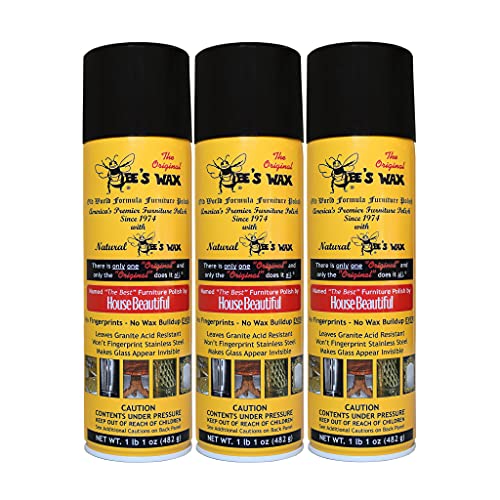
Maintain a protective finish on surfaces to create a barrier against moisture. Regularly apply a high-quality wax or polish suitable for your finish type. This not only enhances the appearance but also provides a degree of resistance to liquid damage.
Coasters and Mats
- Utilize coasters for beverages to prevent condensation from creating issues.
- Employ tablecloths or placemats during meals to act as a safeguard.
Humidity Control
- Monitor humidity levels in your home; ideal levels range from 30% to 50%.
- Utilize a dehumidifier in damp areas to maintain stable conditions.
- Ensure proper ventilation in rooms with a high moisture content, such as bathrooms and kitchens.
Address spills immediately. Blot any liquid promptly with a soft, dry cloth rather than rubbing, which can damage the surface. Educate family members about the importance of reporting spills without delay.
Store frequently used items like drinks in stable holders to minimize the risk of accidental tipping. Using silicone mats or trays under plants or vases also provides additional protection from leaks.
When to Seek Professional Help for Severe Damage
Consult a specialist if you notice deep discoloration, warping, or extensive finish loss. These indicators often suggest that DIY methods may not suffice. If surface repairs do not restore the original aesthetics or if the structure feels compromised, it’s time to bring in an expert.
Indicators of Serious Issues
If the analytical inspection reveals cracks, splits, or significant swelling in the material, professional intervention is necessary. Attempting amateur repairs could exacerbate the situation, leading to costlier restorations. Also, if mold or mildew presents, a professional should be contacted immediately to address both aesthetic and health concerns.
Cost-Benefit Analysis
Weigh the potential repair costs against replacement prices. Sometimes, restoration by a trained technician can prolong the lifespan of the piece and maintain its value. If the item is antique or holds sentimental value, investing in expert care can be worthwhile. Don’t hesitate to reach out for a consultation before undertaking major repairs on compromised accents.


