
 Caleb Turner

Utilizing reverse image search tools proves invaluable for tracing the origins of design elements. Simply upload an image to a service like Google Images or TinEye, and browse through the results to discover similar or identical items. This method often leads to websites selling the exact piece or alternatives that capture the same aesthetic.
Online marketplaces such as Wayfair, Amazon, or Etsy often feature search functions allowing users to input keywords or characteristics. Describing colors, styles, or materials in the search bar can yield satisfactory matches. Filtering results by category will further streamline the process, presenting various options to suit personal taste.
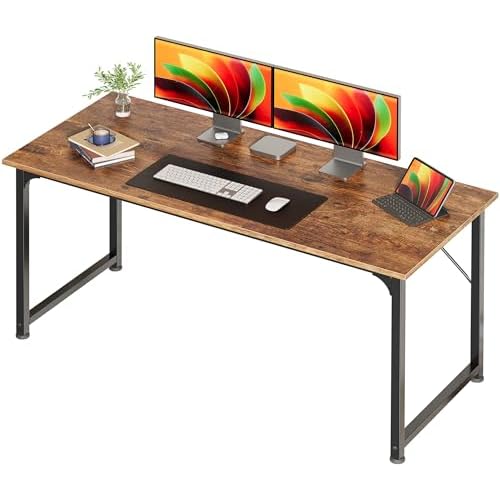

Social media platforms like Pinterest or Instagram often showcase unique home styles. Searching through hashtags or using visual search features can connect a user with shops or individuals selling the desired item. Engaging with the community through comments or direct messages may uncover additional resources or recommendations.
Lastly, visiting local shops or boutiques after pinpointing potential names or styles can enhance the search experience. Many businesses offer specific collections, and asking knowledgeable staff for assistance may reveal valuable insights on locating similar items in their inventory.
Utilizing Image Recognition Apps for Furniture Search
Begin with an image recognition application like Google Lens or Pinterest Lens to analyze your photo. These tools can identify the style and brand of the item, leading you to similar products or possible retailers.
Ensure your photo is clear with good lighting. The app performs better when the object is discernible. Capture different angles if possible before uploading.
While these apps yield instant results, cross-reference the information. Duplicate searches on multiple platforms may provide a broader range of options.
Consider using a combination of keywords inspired by the visual elements in your image. Descriptive words about material, color, and design can refine search outcomes.
| App Name | Platforms | Key Features |
|---|---|---|
| Google Lens | iOS, Android | Visual search, comprehensive product information, direct links to retailers |
| Pinterest Lens | iOS, Android | Style inspiration, similar product recommendations, visual discovery |
| Wayfair App | iOS, Android | Augmented reality feature, extensive catalog, detailed specifications |
If an item is not found immediately, consider online communities or forums. Posting the image might connect you with enthusiasts who can provide insights or sources.
Regular updates to these apps improve their accuracy and capabilities. Keep abreast of new features that could enhance your experience when searching for sophisticates designs.
Searching for Furniture Using Google Lens
Open the Google Lens app or access it through Google Photos. Upload the image you want to analyze by tapping on the photo icon or taking a new picture with your camera. Wait for the app to process the image; once completed, you will see related results. Pay attention to the links and suggestions provided by Google Lens, which often point to online stores where similar items are available.
Refining Your Search
If the initial results aren’t satisfactory, try taking another photo with better lighting or a clearer view of the item. Focus on unique features, colors, and textures. Use keywords that describe what you’re seeing, such as “mid-century chair” or “rustic table,” in the search bar for more precise results. Check for related styles that might inspire different options.
Using Additional Features
Leverage the shopping feature by tapping on the shopping icon within the app to find similar products. This section provides comparable items available for purchase across various websites. Save your favorite options by using the ‘save’ feature or screen capturing screenshots for future reference when you’re ready to make a decision.
Exploring Online Marketplaces for Similar Items
I immediately turn to popular e-commerce platforms when I have an image to replicate décor or seating arrangements. These sites host extensive collections that can help me uncover alternatives to what I’m searching for.
-
Etsy: A great destination for unique, handmade, and vintage pieces. I use relevant keywords and upload the image to search for similar styles created by independent artisans.
-
eBay: A vast marketplace where I can find both new and pre-owned items. Here, I refine my search by including descriptive terms and using specific parameters, such as color and material.
-
Wayfair: This platform is known for its extensive inventory. I admire how their filters allow me to sort based on various attributes, thereby streamlining my search process.
-
Amazon: Utilizing advanced search features, I input descriptions gleaned from the image. I often use customer reviews and ratings to gauge quality.
-
<strongFacebook Marketplace: A local treasure trove, allowing me to connect with sellers directly. I share the image in relevant groups to expand my reach, enhancing my chances of finding the perfect match.
-
<strong Craigslist: I look here for regional listings, often discovering budget-friendly options. Engaging with sellers provides insights about condition and negotiation possibilities.
By leveraging filters and keywords effectively across these platforms, I can uncover comparable items swiftly. Additionally, I maintain a list of preferred sellers and shops to revisit anytime I need décor styles. Following updates can lead to finding the exact pieces I desire or discovering similar ones that catch my eye.
Identifying Brands and Styles from Images
To accurately pinpoint brands and styles, I first analyze specific design elements and materials. Distinctive features such as unique patterns, wood grains, and hardware can offer clues about the manufacturer or designer. For example, if I notice a signature leg design that I recognize from a particular brand, it can significantly narrow down the options.
Utilizing Online Resources
I often rely on online databases and design blogs that specialize in furniture. Websites like Design Within Reach or high-end auction platforms showcase established names and their signature pieces. Searching by keywords extracted from the image can lead me to articles or forums where similar items are discussed. Engaging with design communities on platforms like Reddit or specialized Facebook groups can also yield insights from other enthusiasts who may recognize the item.
Utilizing Social Media Platforms
Visual platforms like Instagram or Pinterest serve as invaluable tools for recognizing styles. By uploading my image or a screenshot, I can explore hashtags related to furniture trends or specific design movements. Engaging with posts that resemble the style I have found can direct me to the original creators or brands, often leading to direct links where I can explore further.
Posting on Social Media for Crowd Sourced Help
Utilize platforms like Instagram, Facebook, and Reddit by posting a clear image along with a request for assistance. Tag relevant groups and use hashtags such as #FurnitureHelp, #InteriorDesign, or specific style tags related to what you’re after. Engage with the community by commenting back, which enhances visibility and encourages more feedback.
Detailing the characteristics of the item in the post can make a significant difference. Include information about colors, textures, materials, or any unique features that may help others identify it accurately. Sharing your desired aesthetic or shelf-life expectations adds context that may attract the right suggestions.
Encourage your network to share the post. A broader reach often results in more diverse recommendations. You can also consider leveraging stories or temporary posts, as these formats tend to get higher engagement, leading to quicker responses.
Participate actively in related discussions within groups focused on home decor or vintage furniture. This not only builds rapport but may also lead to unexpected insights or connections that could aid your search.
Regularly update your followers on your progress. Informing them about received suggestions shows appreciation, encourages further interaction, and nurtures a community of support. Engaging with those who respond fosters a sense of collaboration, enhancing the likelihood of additional leads.
Leveraging Online Communities for Furniture Identification
Engaging with specialized forums and groups can yield impressive results in recognizing various home decor pieces. Platforms like Reddit have dedicated subreddits, such as r/whatsthiscalled, where members actively assist in identifying items from photos. Posting clear images along with any known details about the object significantly boosts your chances of receiving accurate feedback.
Facebook groups focused on home design and furniture can also be valuable. Join local or interest-specific groups to seek help from enthusiasts or experts who might share similar tastes or experiences. Always check the group rules regarding posting images and ensure your question is clear and concise to attract the right attention.
Participating in discussions can lead to discovering useful resources or tips on identifying unique styles or brands too. Engaging with knowledgeable members provides both insights and a sense of community. Networking in these spaces often leads to fruitful connections that can enhance the identification process of your pieces.
Lastly, consider platforms like Discord which have channels dedicated to home design and decor. Real-time interactions can be beneficial, as you can clarify details immediately and receive feedback on the spot. Collecting opinions and insights from various community members enriches the identification experience.
Understanding Copyright and Usage Rights of Found Images
Always verify the copyright status of images discovered through various means. Utilize image search tools that provide licensing information. For instance, platforms like Creative Commons enable users to filter results based on usage rights, allowing access to photos that can be used freely with appropriate attribution.
When using software or apps that identify items, be mindful that the original image creator may retain ownership. If you obtain an image for a project or resale, ensure compliance with any licensing requirements; this may include obtaining permission or purchasing rights. Relying on free stock photo websites can mitigate risks, but always check their specific usage policies.
If sourcing images from social media or community boards, respect the original author’s rights. Even if an image is publicly accessible, sharing or modifying it without consent may infringe copyright laws. Referencing the creator when reposting is not only ethical but can also build connections.
In online marketplaces, be cautious about utilizing images from product listings for promotional use. Sellers might have their own terms regarding image use, which, if ignored, could lead to legal issues. If in doubt, contacting the seller for clarification is advisable.
Staying informed about regional copyright laws is crucial, as they can vary significantly. Familiarize yourself with the specifics that apply to your country or area, especially if engaging in commercial use. Consulting legal resources or professionals can provide clarity on any gray areas you might encounter.
FAQ:
How can I identify furniture from a photo I took?
To identify furniture from a photo, you can use several approaches. First, try reverse image search tools like Google Images or TinEye, where you upload the photo, and the tool searches for similar images online. This might lead you to websites selling the same or similar items. Another way is to use mobile apps like Google Lens or Pinterest, which allow you to take a picture and receive matching results. Additionally, posting your image on social media platforms or forums dedicated to home decor may help, as other users can provide insights or suggestions on what you have captured.
Are there specific apps that can help me find furniture from a picture?
Yes, several apps are designed to help you identify furniture and home decor from pictures. Google Lens is popular for its ability to analyze images and provide information about the items in them. Another useful app is Pinterest, where you can upload your photo and find related images and source links. Additionally, some furniture retailers have their own apps that include image recognition features, allowing you to find similar products in their inventory. Make sure to try out various options to see which one yields the best results for your needs.
What if I can’t find the exact furniture piece in the picture?
If you can’t locate the exact furniture piece, there are alternative methods to find similar items. Consider focusing on the key features of the furniture, such as its style, color, and materials. You can then use these characteristics to search for similar items on furniture websites or in online marketplaces. Another option is visiting local furniture stores, where sales associates might help you find comparable pieces. Engaging with interior design communities online may also yield suggestions for alternatives that fit your taste and needs.
Can I share the image of furniture on social media to get help?
Yes, sharing the image on social media is an effective way to seek help in identifying furniture. Platforms like Facebook, Instagram, and specialized groups in these networks often have users who are passionate about home decor and design. When you post the image, be sure to include specific questions or details about the furniture, such as its dimensions or any known brands. Engaging with your social network can lead to valuable insights, recommendations, or even direct links to where you can buy similar pieces.


