
 Caleb Turner
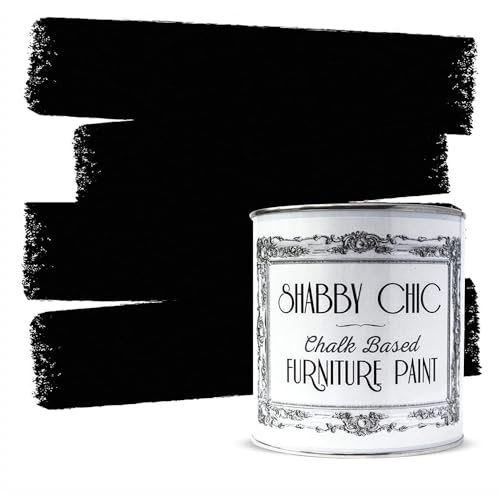
Begin with a base coat using a color that contrasts with your desired finish. Apply this layer generously, allowing it to dry completely. The foundation is crucial for achieving depth in the final appearance.
Next, I recommend using sandpaper or a sanding block to wear down edges and surfaces selectively. Focus on areas that would naturally experience wear over time, such as corners and handles. This step not only adds character but also creates a sense of authenticity.


For added dimension, consider a second layer in a lighter or complementary hue. Use a dry brushing technique–lightly load a brush and remove excess paint–then gently apply this to the high points of the structure. This will give the piece a subtle glow.
Finally, seal your work with a protective finish such as wax or polyurethane. This will enhance the aged effect while ensuring durability. Regular maintenance will keep your crafted piece looking its best.
Choosing the Right Piece for a Weathered Look
Select items made of solid wood or high-quality composite materials. They provide the durability needed for transformation and can withstand the techniques involved.
When considering shape and design, opt for pieces with ornate details, like carvings or moldings. These features allow for deeper definition during the aging process, enhancing the overall effect.
Types to Consider:
- Dressers: Larger surfaces allow for more creativity.
- Side tables: Perfect for smaller projects, ideal for beginners.
- Chairs: A stylish way to experiment with aging techniques.
Avoid These Materials:
- Particle board: Its structure doesn’t hold up well during refinishing.
- High gloss finishes: These can limit the desired effect.
- MDF: Less durable and prone to chipping during distressing.
Evaluate the existing color and finish of the piece. Darker colors often mask imperfections while lighter shades often highlight them. Choose wisely to complement your desired outcome.
Consider the condition of the item. Minor wear and tear can be advantageous, as it creates a ready-to-age look. Seek out pieces with natural imperfections that can be accentuated.
Preparing the Surface for Painting
Ensure the item is clean before applying any products. Use a damp cloth to remove dust and dirt; this guarantees better adhesion of the new layers. For surfaces with grease or grime, a mild detergent mixed with warm water works effectively.
If the piece has a glossy finish, use fine-grit sandpaper (around 220 grit) to lightly scuff the surface. This promotes better bonding with the subsequent layers. Sand in the direction of the wood grain to avoid scratches. Wipe down with a cloth afterward to eliminate any dust particles.
Dealing with Old Finishes
If you’re working with older varnishes or paints, consider using a paint stripper to remove these layers. Follow the manufacturer’s instructions carefully and ensure the area is well-ventilated. Once stripped, clean the surface with water or a suitable solvent to remove any residue.
Repairing Imperfections
Examine the item for any damage such as cracks or dents. Use wood filler or putty to address these issues. After applying, allow it to dry completely before sanding it smooth. This guarantees a flawless surface for your new finish.
After completing these steps, the surface will be primed and ready for the application of new colors and textures. Prepare for an exciting transformation!
Selecting Paint Types and Colors for Distressing
For achieving a worn-out look on your item, I recommend using water-based acrylic or chalk paints. These options are user-friendly, dry quickly, and provide excellent coverage. Water-based acrylics offer a wide array of color choices and can be easily mixed to create custom shades. Chalk paints, on the other hand, are thicker and can help create textured layers that enhance the aged appearance.
Opt for muted and earthy tones, such as soft greys, whites, and pastels, for a subtle effect. If you prefer something bolder, deep blues and forest greens can work well. The choice of color significantly influences the final aesthetic, so consider the surroundings of the piece to ensure harmony in your decor.
I often suggest testing a small area with various shades before committing. This process helps identify how the colors look in different lighting conditions and alongside other elements in the room. Additionally, layering different colors can add depth; start with a base color and apply a lighter or contrasting hue on top, then sand or scrape to reveal the layers beneath.
Using a sealant, such as a matte or satin finish, can enhance the durability of your finish while sustaining the desired look. A sealant will protect against scratches and wear, extending the life of your project. Make sure to choose a sealant compatible with the paint type used for optimal results.
Ultimately, aligning your paint selection with your vision and the intended ambiance will lead to a successful transformation. The right choices will elevate the item, ensuring it stands out while fitting seamlessly into your space.
Techniques for Applying Distressed Paint Finish
For achieving a worn look, I recommend layering multiple paint colors. Start with a base coat. Choose a lighter shade to serve as the foundation. Allow it to dry completely before applying the next layer.
Layering Colors
After the base layer has dried, select a darker or contrasting hue for the top coat. Use a brush or roller for an even coverage. Don’t stress about achieving perfection; the beauty lies in the imperfections. Once the top coat dries, I lightly sand specific areas to reveal the lighter base coat, focusing on edges and corners where natural wear would occur.
Using Tools for Aging Effects
Different tools can create distinct textures. Here are some options:
| Tool | Effect |
|---|---|
| Sanding Block | Creates smooth, worn edges |
| Paint Scraper | Generates uneven patches |
| Wire Brush | Produces a rugged, aged surface |
| Sponges | Adds texture and depth |
After applying the desired amount of wear, sealing the piece is crucial. A matte or satin topcoat enhances durability and preserves the look. I use a spray sealer for a smooth finish, ensuring all areas are thoroughly covered.
Tools and Materials Needed for Distressing Technique
I recommend gathering a few key items before beginning your project. First, acquire high-quality paintbrushes in various sizes–both flat and angled. This will allow for detail work and broader strokes as needed.
Next, select a reliable base coat. Chalk paint is popular for its smooth application and adherence to surfaces. Additionally, consider purchasing a glaze or wax for the top layer, which can enhance the desired worn effect.
Sandpaper is crucial; use a medium grit (around 120) for initial distressing and a finer grit (220) for smoothing edges. A sanding block or sponge will provide better control during this process.
Keep a small artist’s brush handy for precision touch-ups. A damp cloth or sponge can help remove dust after sanding, ensuring a clean surface for painting.
Don’t forget a drop cloth to protect your workspace and a spray bottle filled with water for a light mist to keep the paint workable. For safety, goggles and a mask are wise if you’re working with power tools or generating dust.
Finally, have a good sealer ready for the finishing touch, as this step locks in your work and adds durability. Your toolkit should now be complete and ready for action!
Sealing and Protecting Your Distressed Furniture
Applying a protective finish is crucial for longevity after achieving the desired look on your piece. I recommend using a clear polyurethane or a wax finish, depending on the desired sheen and level of protection. For high-traffic areas, a water-based polyurethane offers durability and quick drying times, while an oil-based product provides a rich finish that enhances the underlying tones.
Before sealing, ensure the surface is clean and free from dust. Use a soft cloth to wipe the area thoroughly. If opting for a wax finish, I suggest applying a thin layer and buffing it to a shine with a soft cloth. For polyurethane, apply using a foam brush or a clean cloth, ensuring even coverage without bubbles. Multiple thin coats yield better results than a single thick layer.
Allow adequate drying time between coats. Generally, I wait at least two hours, but this can vary based on humidity and temperature. After the final coat, let it cure for several days before using the piece to achieve optimal hardness and durability.
For added protection, consider including felt pads on the bottom of legs to prevent scratches on floors. Regular maintenance, like reapplying wax every few months or refreshing the polyurethane every couple of years, will keep your piece looking fresh and shielded from wear.
FAQ:
What materials do I need for distressed painting on furniture?
To begin the distressed painting process on furniture, you’ll need a few essential materials. First, choose your paint—chalk or milk paint is highly recommended for a distressed look. You’ll also need a primer if you’re working with particularly glossy surfaces. A variety of brushes, such as a foam brush and a natural-bristle brush, will help achieve the desired texture. Sandpaper is crucial for distressing; choose a medium grit (around 120) for initial sanding and fine grit (around 220) for finishing touches. Don’t forget protective gear like gloves and a mask, as well as a sealant or topcoat to finish the piece after painting.
How can I achieve a perfect distressed look on my furniture?
To achieve a perfect distressed look on your furniture, start by preparing the surface properly. Clean the furniture thoroughly and sand it if necessary to ensure paint adheres well. After applying your base coat, let it dry completely. Then, use a contrasting color for your top coat. Once this coat is dry, take your sandpaper and gently sand areas that would naturally wear down over time, like edges and corners. For added depth, you might consider using a damp cloth to wipe away paint slightly in certain areas, creating a more accumulated effect. After reaching your desired level of distress, seal the piece with a clear coat to protect your work.
What colors work best for distressed painting?
Choosing the right colors for distressed painting largely depends on your personal style and existing decor. Popular choices include soft pastels, muted earth tones, and classic whites or grays. A white or creamy base with a darker top coat can produce a striking contrast, while applying a soft blue or green can add a serene coastal feel. It’s also effective to mix and match colors; for example, a dusty pink under a white topcoat can offer a subtle pop of color when distressed. Remember to ensure that the colors complement each other and fit the overall aesthetic of the room.
How long does the distressed painting process take?
The time required for distressed painting can vary based on several factors. On average, the entire process can take 1-3 days, including preparation, painting, and drying time. Preparation, which involves cleaning and possibly sanding the furniture, may take a couple of hours. Painting itself includes time for applying the base coat and the top coat, which necessitates drying times in between coats. Depending on the humidity and temperature, each coat can take anywhere from 1 to 4 hours to dry. Don’t rush the distressing phase either; take your time to achieve the desired look. Finally, applying a sealant at the end will require additional drying time, often anywhere from 2 hours to overnight.
Can I distress furniture without using paint?
Yes, you can create a distressed look without paint by employing various techniques. One popular method is to use wood stain or a distressed finish product that can give wood a worn appearance. You can also achieve a similar effect by sanding or scraping the wood surface to reveal underlying layers or to create a rough texture. Additionally, using furniture wax or antiquing gel can enhance the natural grain and color of the furniture while enriching the worn look. It’s essential to test any product on a small, inconspicuous area first to ensure you achieve the effect you want before applying it to the whole piece.
How do I achieve a good distressed finish on my furniture?
Achieving a good distressed finish involves several steps. Start by prepping your furniture: clean it thoroughly and remove any hardware if necessary. Once it’s clean and dry, apply a coat of primer and let it dry completely. Next, paint your chosen base color over the primer and allow it to dry as well. After this coat is fully dry, use sandpaper to lightly sand the edges and areas where natural wear would occur. The key is to reveal some of the underlying wood or the original paint underneath. You can control how distressed the piece looks by adjusting the sanding pressure and the areas you focus on. After sanding, you can apply a wax or polyurethane sealant for protection. This will not only help preserve the finish but also give it a nice sheen. If you want to enhance the look, you might consider applying a glaze to create depth. Just remember to work patiently and enjoy the creative process!
What materials do I need for distressed painting on furniture?
To achieve a distressed look on furniture, you’ll first need some basic materials. Start with furniture paint, typically chalk paint or acrylic. You’ll also need a primer if you’re working with a piece that has a shiny or dark finish. For application, use brushes or foam rollers, depending on your preference. Sandpaper or a sanding sponge is essential for creating the distressed effect. Additionally, you’ll want a sealant, such as a wax or polyurethane, to protect your painted surface once it’s finished. Optional items include a rag for applying wax and a stencil if you’re interested in adding designs to your piece.


