Caleb Turner

First and foremost, ensure that you have an adequate number of litter boxes throughout your living space. The recommended ratio is one box per feline plus one additional box. This gives your pets ample options and can significantly reduce the likelihood of mishaps around your soft furnishings.
Utilizing enzymatic cleaners specifically designed for eliminating the odors associated with animal waste can be a game changer. These solutions break down the scent markers that may attract your pets back to the same spot. Thoroughly clean any area that has been targeted in the past to discourage repeat offenses.
To make your furniture less appealing, consider using protective coverings or furniture sprays with scents that are unpleasant to your pets. Citrus and eucalyptus oils can be particularly effective. Additionally, strategically placing deterrent mats on the furniture can make comfy lounging areas less desirable.


Incorporating interactive play and enriching activities throughout the day can alleviate your pets’ stress and prevent unwanted behaviors. Engaging toys, climbing structures, and regular interaction can lead to healthier habits and a more harmonious environment.
Understanding the Reasons Behind Cat Urination
Identify the cause of inappropriate elimination by closely observing behavioral patterns. Stress often manifests as changes in urination habits. Environmental factors, such as noisy surroundings or the arrival of new pets, may trigger anxiety. Minimizing stress can sometimes resolve the issue.
Health Issues
Consider potential medical conditions. Urinary tract infections, bladder stones, or diabetes can lead to sudden changes in bathroom behavior. Consulting a veterinarian for diagnostic tests is advisable for a proper assessment.
<h3Territorial Marking
Recognize that marking territory is a natural instinct. Unneutered males and females often engage in marking when they feel their space is threatened. Addressing this through spaying or neutering can mitigate territorial disputes.
Identifying Furniture That Attracts Animals
Observing your space can reveal which items are enticing for your furry friends. Materials like soft fabrics, such as velvet or suede, are particularly appealing due to their texture. These surfaces may feel inviting for scratching or marking territory.
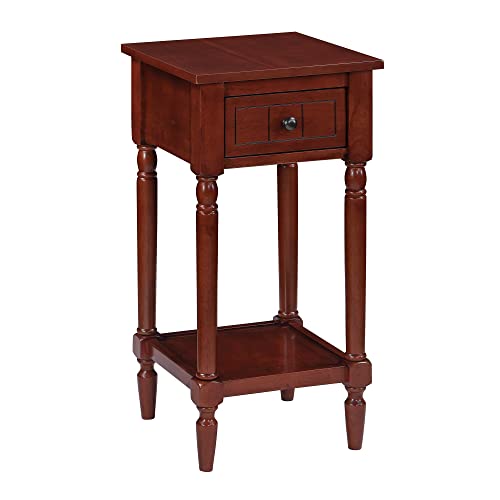
Color plays a significant role; darker shades often stand out as attractive targets. Many creatures are instinctively drawn to pieces that resemble natural elements, making wood and wicker common spots for attention.
The location of items matters; those placed in quiet corners or near sunlit areas can become hotspots. Items near their preferred lounging spots can inadvertently become the target instead of their designated areas.
Pay attention to the scents that linger on various surfaces. If a piece was previously used for storage or is frequently interacted with, it may carry attractive odors that prompt habits.
Specific shapes can also be an attractant; low, wide items that mimic a surface for resting are particularly appealing. Sitting areas or couches that accommodate lounging may draw them closer.
Frequent cleaning can reduce the affinities by removing odors and signs of previous markings. Keep an eye on how your space is arranged and consider replacing or covering items that display clear signs of attraction.
Utilizing Smell Deterrents to Protect Furniture
I found specific odors effectively keep unwanted behaviors at bay. Natural repellents such as citrus, lavender, and vinegar are worth considering. Here are practical applications:
-
Citrus Scents
Mix water with lemon or orange essential oil and spray it lightly on areas of interest. Most felines dislike citrus, making this a strong choice.
-
Vinegar Solution
Combine equal parts of water and white vinegar. Spritz this solution on or around the targeted areas. The strong odor acts as a powerful repellent while maintaining a clean space.
-
Lavender Oil
In addition to its pleasant scent for humans, lavender can discourage unwanted habits. Use lavender essential oil mixed with water as a spray. This takes advantage of its dual purpose–aroma and deterrence.
Pre-made commercial spray products are available, often containing bitter or natural extracts. Always test a small hidden area first to ensure that the product does not discolor or damage the surface.
Incorporating odor-based deterrents can significantly improve the atmosphere, reducing the likelihood of issues while keeping your surroundings inviting. Regularly refreshing these scents can enhance their effectiveness as well.
Training Your Cat to Use the Litter Box Consistently
Focus on choosing the right type of litter box. I prefer covered boxes to provide privacy, but an uncovered option may work better for some pets. Ensure the size is appropriate; the litter box should be at least one and a half times the length of your companion from nose to tail.
Litter Selection
Select clumping litter if I want easier cleanup and odor control. Natural options made from wood, corn, or wheat are excellent for the environmentally conscious.
Location Matters
- Place the box in a quiet, low-traffic area to minimize disturbances.
- Avoid areas near food and water bowls to establish a clear separation between toileting and eating.
- Ensure easy accessibility; avoid high places if your friend has mobility issues or is elderly.
Consistency is crucial during training. Keep the box in the same location to avoid confusion. Allow your furry friend to explore the litter box at their own pace. If they hesitate to enter, I gently place them inside to encourage them.
Cleaning Routine
Regular cleaning is non-negotiable. Scoop waste daily and change the litter at least once a week. A dirty box may discourage its use.
- Use mild soap and water for washing, avoiding harsh chemicals that may deter usage.
- Rinse thoroughly to remove any residue from cleaning agents.
Monitor your companion’s behavior closely. If there’s reluctance to use the litter box, coinciding changes in habits could point to potential health issues. Consulting a veterinarian might be necessary to rule out medical problems.
Rewarding desired behavior reinforces the training process. Offer treats and praise immediately after your pet uses the box correctly. This positive reinforcement will help them associate the box with a pleasant experience.
Implementing Physical Barriers Around Furniture
I recommend using various types of physical barriers to protect your belongings. These barriers can create a space that discourages unwanted behaviors.
Options for Barriers
Consider employing the following strategies:
| Barrier Type | Description |
|---|---|
| Furniture Covers | Use protective coverings that are designed to repel moisture. These products create a physical layer between surfaces and potential stains. |
| Plastic Sheeting | Lay sheets of plastic or non-slip mats on vulnerable areas. This texture can be unappealing and may deter unwanted approaches. |
| Physical Blockades | Utilize barriers like baby gates or furniture risers, creating a boundary that prevents access to critical spots. |
| Double-Sided Tape | Tape can be an effective deterrent due to its sticky surface, which cats generally dislike. |
Creating Zones
Defining specific zones within your living space can be beneficial. Designate areas for play and relaxation that are separate from your prized possessions. This spatial arrangement can help adjust behaviors over time.
By implementing these strategies, I found a significant decrease in unwanted behaviors, leading to a more harmonious living space. Ensure that you monitor the situation, as adjustments may be necessary to optimize the effectiveness of these barriers.
Creating a Litter Box That Appeals to Your Cat
Choose a spacious litter box. A larger size offers more comfort and encourages regular use. Make sure it’s at least one and a half times the length of your pet for optimal space.
Select the right litter type. I find that clumping clay and unscented options are the most popular among my pets. Experimenting with different textures can help determine what your feline prefers.
Position the box in a quiet, accessible area. Privacy is key; place it away from heavy foot traffic and loud appliances. Cats appreciate a secure sanctuary for their bathroom needs.
Maintain cleanliness meticulously. Scoop daily and perform a thorough clean every week. A fresh-smelling environment prevents aversion and promotes consistent usage.
Consider a covered box if your pet prefers privacy, but ensure there’s enough ventilation to avoid odors. Some pets may avoid it if they feel trapped, so observe their behavior closely.
Encouraging Usage
Add attractants like commercial litter box attractants or organic options such as catnip. This can entice them to use the box rather than other spots.
Limit the number of boxes to one per cat, plus one extra in multi-cat households. This helps reduce territorial disputes that may discourage use.
Personalized Touches
Add a cozy mat around the litter box to give your pet a clean landing spot and reduce tracking. This small change can create a more inviting area for exploration and elimination.
Regularly switch locations if your pet shows signs of reluctance. Sometimes a simple move can rejuvenate interest and convenience.
Using Positive Reinforcement for Desired Behavior
To encourage my pet to utilize designated areas for elimination, I focus on rewarding desired actions. Whenever my feline friend uses the litter box, I immediately provide praise or a small treat. This reinforcement builds a connection between the behavior and the reward.
Consistency is key. I ensure that every time my pet uses the litter area appropriately, a treat or affectionate attention follows. This creates a reliable pattern that my companion can learn to associate with positive outcomes.
In addition to treats, I utilize playtime as a reward. Engaging in a fun activity immediately after successful litter box use reinforces the positive action. Incorporating favorite toys or interactive games ensures my pet is motivated to repeat the behavior.
I’ve observed that capturing the moment right after a success is vital. If I notice my pet using the litter box, I rejoice immediately. This helps establish a direct link between the action and the positive consequence, making the learning process clearer.
Monitoring my pet’s reactions also guides my approach. If a particular reward seems to resonate more, like a specific treat or play activity, I focus on that for reinforcement. Tailoring the rewards to their preferences enhances the likelihood of reinforcing the wanted behavior effectively.
Establishing a schedule for feeding can also aid in creating a routine. Predictable meal times can lead to more consistent elimination habits, making it easier to reward those moments effectively. This approach aligns my pet’s bodily functions with opportunities for positive reinforcement.
Addressing Medical Issues That May Cause Urination
Consult a veterinarian to rule out potential medical conditions such as urinary tract infections, diabetes, or kidney issues. Symptoms may include frequency, straining, or blood in urine. Early diagnosis can lead to effective treatment and prevent further complications.
If a diagnosis is made, follow your vet’s recommendations rigorously. Medications, dietary changes, or increased water intake may be necessary. Regular check-ups ensure any underlying health problems are monitored and managed appropriately.
Keep a close watch on your companion’s behavior and note any changes in urination patterns or overall health. Maintaining a health log can provide valuable insights during vet visits. Understanding these factors can direct appropriate interventions and enhance your pet’s well-being.
Addressing stress-related urinary issues might also involve environmental adjustments. Creating a calmer atmosphere with less noise or providing hiding spots can alleviate anxiety. Some pets may benefit from pheromone diffusers designed to create a sense of security.
Lastly, consider ensuring proper hydration to prevent complications. Fresh water should always be available, and wet food can be an excellent supplement for those not drinking enough. This proactive approach safeguards overall health and may reduce inappropriate elimination behaviors.
Seeking Professional Help for Persistent Problems
Consult a veterinarian if behavioral adjustments and environmental changes fail to resolve issues with inappropriate toileting. Medical conditions, such as urinary tract infections or bladder stones, require professional diagnosis and treatment.
In situations where behavioral training does not yield results, enlisting a certified animal behaviorist can offer tailored strategies. These experts evaluate individual circumstances and develop customized plans promoting suitable habits.
Work with a local pet trainer experienced in issues surrounding elimination behavior. Their hands-on techniques can provide immediate feedback and support, beneficial for both you and your feline companion.
Consider conducting a consultation with a feline specialist clinic. These facilities often have resources and personnel dedicated to addressing urination difficulties, ensuring comprehensive care for your pet.
Engage in ongoing dialogue with professionals, keeping them updated on any changes in behavior. This ongoing communication helps refine approaches and ensures the best outcomes for your situation.