
 Caleb Turner

Mix a solution of 70% isopropyl alcohol with 30% water in a spray bottle for an effective cleaning agent. This combination eliminates various pathogens while being safe for many finished surfaces. Lightly mist the solution on a soft cloth instead of spraying directly onto the item to avoid excess moisture.
Wipe down all accessible areas, paying special attention to high-touch spots such as handles and edges. A microfiber cloth works well to capture dirt and germs without scratching the surface. For deeper cleans, let the solution sit for a few minutes before wiping it off.
For items with a more porous finish, consider using a gentle soap diluted in water. Ensure it’s well-dried afterward to prevent any moisture damage. Regular maintenance using these methods will help keep your pieces safe and looking great.


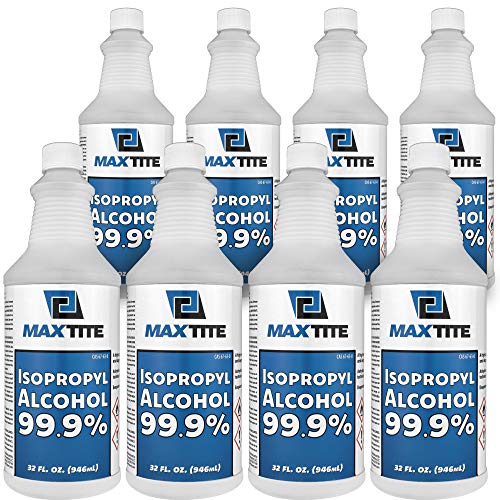
Steps for Sanitizing Wooden Surfaces
Use a solution of 70% isopropyl alcohol. Apply it on a soft cloth and wipe surfaces thoroughly, ensuring even coverage without saturating the wood.
Alternative: Mix equal parts of vinegar and water in a spray bottle. Lightly mist the mixture onto a cloth and clean the surface gently. Avoid soaking.
Avoid using bleach or harsh chemicals, as these can damage the finish over time.
Be mindful of high-touch areas. Focus on handles, arms, and edges where germs accumulate more easily.
Let the treated surfaces air dry completely before use. This ensures maximum effectiveness of the cleaning solution.
For ongoing maintenance, wipe down surfaces with a damp cloth regularly to minimize buildup.
Store cleaning products in a cool, dry place and check expiry dates to ensure they remain effective.
Always test any cleaning solution on an inconspicuous area before applying it widely.
Understanding the Risks of COVID on Wood Surfaces
I recognize the importance of being aware of how the virus behaves on various materials, including timber. Research indicates that SARS-CoV-2 can survive on untreated surfaces for a limited time, with studies showing viability for hours to days depending on factors like temperature and humidity. On porous substances, such as untreated timber, the virus may persist longer compared to non-porous options.
Transmission and Contamination
In indoor environments, touching contaminated objects followed by contact with the face can facilitate transmission. Regular interaction with frequently touched areas, like table surfaces or chairs, raises concerns. Assessing the potential exposure risk in my household can lead to better informed decisions on maintenance and cleaning routines.
Material Characteristics
The porous nature of untreated timber impacts how contaminants reside. Research suggests that the structural properties of this material can trap viral particles, making effective cleaning pivotal. Using appropriate cleaning products is essential to ensure the removal of pathogens while preserving the integrity of the surface.
Choosing the Right Disinfectant for Wood Surfaces
For treating surfaces made of timber, I recommend utilizing products with at least 70% alcohol content or solutions specifically designed for cleaning wooden materials. These options effectively eliminate harmful pathogens while being gentle on finishes.
Options to Consider
- Isopropyl alcohol: Safe for most finishes and effective against germs.
- Hydrogen peroxide: A mild disinfectant that can be used when diluted properly.
- Commercial wood-safe disinfectants: Look for formulas that specifically state they are safe for the material.
Factors to Evaluate
Before selecting a cleaner, consider the finish of your items. Certain substances may react negatively with finishes like lacquer or varnish, leading to damage. Always perform a spot test in an inconspicuous area to ensure compatibility.
Additionally, avoid using bleach or ammonia-based products, as these can cause discoloration and deterioration of the surface. When in doubt, refer to manufacturer recommendations for cleaning solutions. By doing so, I ensure the longevity and preservation of my wooden items while maintaining a sterile environment.
Preparing the Surface Before Disinfection
I begin by removing all items from the surfaces I intend to treat. This includes decor, books, or any other objects that might be resting on the wood. Taking everything off allows me to access every section without obstruction.
Next, I utilize a soft, dry cloth to dust the area. This step is crucial to eliminate any particles such as dirt, hair, or dust. I pay special attention to corners and crevices where dust tends to accumulate.
Wiping Down
After dusting, I dampen another clean cloth with a gentle cleaner or a mixture of water and mild soap. I carefully wipe the surface, allowing the solution to break down any residue before moving on to the next stage. Ensuring the cloth is not overly wet is important as excess moisture can damage the finish.
Drying the Surface
Lastly, I dry the surface thoroughly with a fresh, dry cloth. This step prevents moisture from lingering, which can compromise the integrity of the material. Ensuring the area is completely dry prepares it for the subsequent cleaning process effectively.
Step-by-Step Guide to Sanitizing Your Wooden Items
Begin with removing dust and loose debris using a soft cloth. This prepares the surface for deeper cleaning.
Next, create a solution by mixing equal parts of water and white vinegar in a spray bottle. Vinegar acts as a natural cleaning agent. Avoid excessive saturation of the wood.
Spray the solution onto a clean rag, then gently wipe down the surfaces, ensuring not to soak the wood.
Disinfecting with Approved Products
For enhanced sterilization, consider using an alcohol-based solution with at least 70% isopropyl alcohol. Apply it with a microfiber cloth, focusing on high-touch areas.
Ensure adequate contact time, allowing the solution to sit for at least 5 minutes, which helps in eliminating pathogens effectively.
Final Touches
After disinfecting, use a damp cloth to remove any residue. Follow up with a dry cloth to restore shine and prevent water damage.
Repeat this process regularly to maintain cleanliness and safety in your space.
Best Practices for Frequency of Disinfection
Maintain a routine cleaning schedule, aiming for at least once a week. However, increase this frequency to two or three times weekly in high-traffic areas or when hosting guests. For surfaces frequently touched, consider daily care.
Monitoring Usage
Evaluate how often each item is used; items like dining tables or desks may require more attention than a decorative piece. Keep an eye on areas that come into constant contact with hands or objects, adjusting frequency based on observed usage patterns.
Seasonal Adjustments
During cold and flu seasons, boost the cleaning routine. Be vigilant about any outbreak notifications in the community, as this may necessitate increased frequency in cleaning protocols. Stay informed about local health advisories to align practices with current recommendations.
Alternative DIY Disinfecting Solutions for Wood
I have found that simple mixtures can effectively sanitize surfaces. One option is combining equal parts of white vinegar and water in a spray bottle. This solution can be sprayed lightly on the surface and wiped with a soft cloth to eliminate germs without damaging the finish.
Another effective blend involves using rubbing alcohol. Mixing two parts of isopropyl alcohol (70% or higher) with one part of water creates a potent solution suitable for killing pathogens. Apply it using a soft cloth, ensuring not to soak the surface.
Essential oils can also serve a dual purpose, offering pleasant scents and germ-fighting properties. Adding a few drops of tea tree oil or lavender oil to either vinegar or alcohol mixtures can enhance their efficacy. The presence of these oils helps to deter pests while contributing additional antimicrobial benefits.
For an alternative approach, a baking soda paste made by mixing baking soda with water can help remove stains and provide a mild abrasive action. This should be used with caution as it can alter the surface finish if scrubbed too hard.
Lastly, hydrogen peroxide can be utilized. A solution of 3% hydrogen peroxide can be applied to a cloth and used on the surface. It’s crucial not to leave it on for too long, as prolonged exposure may lead to discoloration.
Always conduct a spot test on an inconspicuous area first to ensure compatibility with the specific finish of your pieces. Proper care will prolong the life of your surfaces while promoting a healthier environment.
Post-Disinfection Care for Wood Furniture
Once surfaces have been sanitized, I recommend applying a high-quality wood conditioner or polish. This helps to restore moisture, preventing cracking and maintaining the wood’s natural luster.
It’s crucial to avoid using excessive water while cleaning afterward; a lightly damp cloth is ideal for removing dust without stripping any protective finish.
Regular dusting with a microfiber cloth aids in maintaining cleanliness and limiting debris accumulation, which can harbor germs. A routine maintenance schedule ensures surfaces remain both appealing and safeguarded.
Check the finish periodically for any signs of wear or damage. If any areas appear deteriorated, touch them up with appropriate restorative products to ensure ongoing protection against environmental factors.
Finally, I recommend keeping the environment where the items are located at a steady temperature and humidity level. Avoid excessive heat or moisture, as these can lead to warping or other structural issues.
Common Mistakes to Avoid When Disinfecting Wood
Using excessive liquid is a frequent error. Wood easily absorbs moisture, which can lead to warping or damage. Instead, opt for damp cloths or sprays that minimize liquid use.
Choosing the Wrong Product
Selecting a cleaner not designed for wooden surfaces can cause discoloration or degradation. Always verify that the chosen solution is safe for the material. Commercial products specifically labeled for use on wood may help avoid damage.
Skipping Test Areas
I always conduct a patch test on an inconspicuous area before full application. This quick step confirms compatibility without risking visible harm.
| Mistake | Consequence | Solution |
|---|---|---|
| Using too much liquid | Warping and damage | Use damp cloths |
| Applying incorrect products | Discoloration | Choose wood-safe cleaners |
| Foregoing patch tests | Visible damage | Test in inconspicuous areas |
Neglecting to read and follow manufacturer instructions can lead to improper usage and unwanted results. Always review guidelines before application.
Allowing insufficient drying time post-cleaning invites new contaminants. Ensure surfaces are completely dry before use or contact to protect from reinfection.
FAQ:
What are the best methods to disinfect wood furniture to protect against COVID-19?
To disinfect wood furniture, you can start by using a solution that includes at least 70% isopropyl alcohol or soap and water. It’s important to gently wipe the surfaces with a cloth soaked in the disinfectant, ensuring to avoid excessive moisture as it can damage the wood finish. For stubborn areas, you might consider using commercial wood cleaners that contain disinfecting agents. Always follow the manufacturer’s instructions on any product used and test any new cleaner on an inconspicuous area first.
Is it safe to use bleach on wood furniture for disinfection?
Using bleach on wood furniture is generally not recommended. Bleach can damage the wood finish and lead to discoloration. If you want to use bleach for disinfection, it should be heavily diluted and applied carefully with a cloth. However, there are other disinfecting agents that are more suited for wood surfaces, such as isopropyl alcohol, which provides effective disinfection without the damaging effects of bleach.
How often should I disinfect my wood furniture during the pandemic?
The frequency of disinfection can depend on various factors, such as how often the furniture is used and your household’s infection risk. A general recommendation is to disinfect frequently touched surfaces, such as tables and chairs, daily. For less frequently used pieces, a weekly cleaning may suffice. Pay attention to any updates from health officials regarding disinfection practices, as recommendations may change based on current health guidelines.
Can I use natural cleaners to disinfect wood furniture?
Yes, you can use natural cleaners, but it’s vital to ensure they have disinfectant properties. For instance, white vinegar mixed with water can act as a mild disinfectant, but it may not be as effective against viruses like COVID-19. If you prefer natural options, look for products specifically labeled as effective against viruses and safe for wood. Always test any natural cleaner on a small area first to ensure it does not harm the finish of the furniture.
What precautions should I take while disinfecting wood furniture?
When disinfecting wood furniture, wear gloves to protect your hands from the disinfectant. Work in a well-ventilated area to avoid inhaling fumes. Use a soft cloth to apply the disinfectant rather than spraying directly onto the surface, as this can lead to excess moisture. Make sure to follow the manufacturer’s instructions on the disinfectant and allow the surface to dry completely after cleaning to ensure it is thoroughly disinfected. Finally, be cautious around electronics or items that can be damaged by moisture.
What are the best methods to disinfect wood furniture to protect against COVID-19?
When disinfecting wood furniture to guard against COVID-19, it is important to choose suitable products that won’t damage the wood surface. One effective method is to use a solution of 70% isopropyl alcohol or a diluted bleach solution (1/3 cup of bleach per gallon of water). First, dust the furniture to remove any loose particles. Then, apply the solution to a soft cloth and gently wipe down the surfaces, ensuring not to saturate the wood. Allow the disinfectant to sit on the surface for at least one minute before drying with a clean cloth. Alternatively, using disinfectant wipes that are safe for wood can also be effective. It is always advisable to test any solution on a small, inconspicuous area first to ensure it does not harm the finish.


