
 Caleb Turner

Mix equal parts of vinegar and olive oil in a spray bottle for a natural and effective solution. This combination not only shines but also nourishes the surface. Apply it with a soft cloth, working in the direction of the grain to achieve the best results.
For sticky spots or tough residue, use a damp cloth with a mild dish soap solution. Make sure to wring it out well, as excess moisture can damage the material. Wipe the area thoroughly and follow up with a dry cloth to avoid watermarks.
Regular dusting with a microfiber cloth is essential. It prevents buildup that can lead to scratches. I make it a habit to do this weekly, ensuring that my pieces retain their beauty over time.
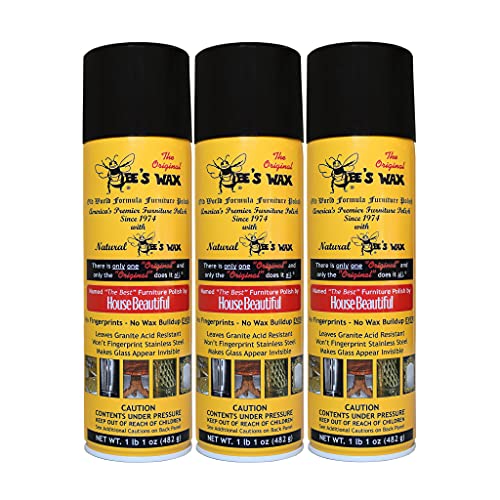


Consider using a dedicated polish occasionally to enhance luster. Choose products specifically designed for this type of material. Always read the label to ensure compatibility and follow instructions carefully for optimal outcomes.
Cleaning Strategies for Wooden Surfaces
For routine maintenance, I recommend dusting with a soft, microfiber cloth. This prevents buildup that can dull the surface over time.
For deeper treatment, I mix equal parts of vinegar and olive oil. I apply this mixture with a soft cloth, rubbing it gently in the direction of the grain. This not only removes grime but also nourishes the fiber.
Stubborn Stains
To tackle tough spots, I use a paste of baking soda and water. After applying it to the stain, I let it sit for a few minutes before gently rubbing it off with a damp cloth. Always test this method on an inconspicuous area first.
Polishing and Protection
A quality beeswax polish works wonders for shine and protection. I apply a small amount, buffing it into the surface with a soft cloth. Let it sit for about 15 minutes, then buff it again for a glossy finish.
- Use coasters to prevent water rings.
- Avoid direct sunlight to reduce fading.
- Keep it away from heat sources to avoid warping.
Choosing the Right Cleaning Products for Wood
I rely on natural solutions like olive oil or vinegar for maintaining a polished appearance. These substances help avoid harmful chemicals while cleaning surfaces effectively.
Prioritize pH-balanced cleaners specifically designed for natural surfaces. Harsh detergents can strip finishes, leading to dullness. Read labels carefully and opt for products that list wood as a safe surface.
Consider using microfiber cloths. They trap dust without scratching, making them suitable for delicate textures. Pair them with suitable cleaner to enhance results.
I usually test any product on a hidden area to ensure compatibility before full application. This step can prevent potential damage from incompatible chemicals.
Avoid products containing silicone; they can create a residue that attracts dust in the long run. Instead, aim for beeswax-based options that nourish and protect.
If dedicated sprays seem overwhelming, a diluted solution of warm water and mild soap works adequately for regular maintenance. Just ensure thorough drying to prevent moisture damage.
Dusting Techniques to Avoid Damage
A microfiber cloth remains my go-to for effective dust removal. This material captures particles without the risk of scratching surfaces, unlike rough fabrics.
For intricate details or tight corners, I prefer using a soft-bristled brush. It gets into crevices, ensuring no dust is left behind without abrasive contact.
Proper Dusting Method
I recommend dusting in a top-to-bottom approach. This minimizes the risk of particles falling onto already cleaned areas.
| Technique | Description |
|---|---|
| Microfiber Cloth | Soft and non-abrasive, perfect for surfaces. |
| Soft-Bristled Brush | Ideal for detailed areas, prevents dust buildup. |
| Top-to-Bottom Approach | Start from the highest point, ensuring efficiency. |
Additional Tips
I avoid using feather dusters, as they often scatter dust rather than eliminate it. Instead, lightly dampen the cloth when necessary, ensuring a more thorough capture of particles without moisture damage.
Removing Stains from Wood Surfaces
Developing a strategy for tackling stains is key. I usually start with gentle options before attempting more aggressive methods. For most stains, a mixture of equal parts vinegar and olive oil applied with a soft cloth does wonders.
- Water Stains: To eliminate white rings, I rub a bit of mayonnaise on the area, letting it sit for several hours before wiping it off with a clean cloth.
- Grease Marks: Baking soda paste (mixed with water) or a blend of dish soap and water effectively removes these without damaging the surface.
- Ink Stains: Rubbing alcohol applied on a cotton ball lifts ink marks without affecting the finish. I blot gently and avoid rubbing.
- Food Stains: A paste made of baking soda and water or a diluted mixture of lemon juice and cream of tartar works well. I let it sit on the stain before buffing it out.
- Heat Marks: For those pesky heat marks, I recommend to use a clean cloth and an iron on a low setting for a few seconds, ensuring to check frequently to prevent damage.
After treating any stain, I always recommend polishing the area with a wood conditioner to restore its shine and protect it from future issues.
Cleaning Wood Furniture with Natural Ingredients
I rely on simple, natural substances for maintaining the beauty of my wooden items. Here are effective mixtures:
- Olive Oil and Vinegar: Combine equal parts of both in a spray bottle. This mixture not only polishes but also nourishes the surface. Gently buff with a soft cloth after application.
- Lemon Juice and Olive Oil: Blend one part lemon juice with two parts olive oil. This solution provides a fresh scent while tackling minor scratches and restoring shine. Apply sparingly and wipe with a clean cloth.
- Baking Soda Paste: Mix baking soda with water to form a paste for tougher spots. Apply lightly with a soft, damp cloth and rub in the direction of the grain to avoid scratches. Rinse with a clean, damp cloth afterward.
- Coconut Oil: This natural oil can rejuvenate surfaces. Apply a small amount with a microfiber cloth, focusing on any dry areas. Buff it in for a smooth finish and a subtle sheen.
- Essential Oils: Combine a few drops of your favorite essential oil, such as lavender or tea tree, with a carrier oil like jojoba. This adds a pleasant fragrance while conditioning the wood. Use a soft cloth for application.
For ongoing maintenance, I periodically dust with a microfiber cloth lightly dampened with water. This helps prevent build-up while preserving the original luster. Always ensure surfaces are dried immediately after any treatment to prevent moisture damage.
Best Practices for Polishing Wood Surfaces
Use a soft, lint-free cloth or microfiber towel for application. This prevents scratches and ensures an even finish. Before applying any polish, gently dust the area to remove particles that could cause damage.
Choose a polish that is specifically formulated for the type of finish on your surface. For instance, products designed for oil finishes differ from those for lacquer or polyurethane finishes. Always test a small, inconspicuous area to confirm compatibility and desired results.
Application Techniques
Apply the polish in small sections, using straight motions following the grain direction. Avoid circular motions as they can create swirl marks. Once applied, buff with a clean cloth to enhance sheen and remove excess product.
Frequency of Polishing
For optimal appearance, polish surfaces every 3 to 6 months, depending on usage and exposure to light. Frequent polishing can lead to buildup, so it’s prudent to use minimal product and focus on quality over quantity.
Addressing Difficult Corners in Furnishings
Utilize a vacuum attachment with a narrow nozzle to access tight spots and crevices easily. This method captures dust and debris without the need for invasive cleaning tools.
Microfiber cloths are invaluable; they attract and hold dirt without scratching surfaces. Dampen the cloth slightly for stubborn grime while avoiding excessive moisture.
For intricate carvings or hardware, a soft brush can reach deep within grooves. A toothbrush or small paintbrush works effectively to dislodge trapped particles.
Combine equal parts vinegar and water in a spray bottle. Lightly mist the cloth, and apply it to the corners, reducing the risk of excess moisture. Wipe gently to avoid damage.
Consider using cotton swabs for ultra-tight areas. They allow precise access to small gaps and corners that larger cloths cannot reach.
For persistent residues, a drawn-out method with a small amount of mineral oil may soften deposits, using a cloth to reach those challenging spots.
Regular maintenance keeps hard-to-reach areas less problematic. Schedule periodic dusting sessions to prevent buildup in these tricky locations.
| Method | Tools Required | Tips |
|---|---|---|
| Vacuum Attachment | Narrow Nozzle | Use low suction settings to avoid damaging surfaces. |
| Microfiber Cloth | Microfiber Cloth | Keep it slightly damp for better dirt removal. |
| Soft Brush | Toothbrush or Paintbrush | Gently sweep to dislodge debris in carved areas. |
| Vinegar Solution | Spray Bottle | Avoid spraying directly; mist the cloth instead. |
| Cotton Swabs | Q-tips | Ideal for precision cleaning in very small spaces. |
| Mineral Oil | Soft Cloth | Use sparingly to soften stubborn residues. |
| Regular Dusting | Microfiber Cloth | Helps maintain cleanliness and reduces effort. |
Preventing Scratches While Cleaning Wood
Always opt for soft, lint-free cloths or microfiber materials. These fabrics minimize the risk of abrasions on surfaces. Avoid using rough sponges or paper towels, as they can leave fine scratches.
Using Appropriate Techniques
Wipe in the direction of the grain to reduce friction and prevent damage. Circular motions may cause swirling marks that are more visible on polished surfaces.
Protective Measures
Utilize furniture pads or coasters under items to prevent scratches during regular usage. Additionally, identify and remove any debris before wiping surfaces to avoid dragging particles that could scratch the finish.
Understanding Different Wood Finishes and Their Care
For optimal maintenance, it’s critical to recognize the nuances among various finishes. A polyurethane coat, for instance, provides a robust shield against moisture and scratches, requiring only a damp cloth for upkeep. Avoid abrasive materials that could compromise its integrity.
Natural oils, like linseed or tung oil, need periodic reapplication to maintain their luster. I recommend using a soft, lint-free cloth to apply and buff these oils, ensuring even coverage without any buildup that can dull the appearance.
Lacquer finishes dry quickly and resist water, yet they can be susceptible to heat. I advise using coasters under hot items and gently polishing with a soft cloth to maintain their shine without damaging the surface.
Varnish creates a durable surface but may show wear over time. Regular dusting and infrequent polishing with a compound specifically designed for varnished surfaces can extend its life. Be cautious of using too much product, as excess can lead to a sticky residue.
For wax finishes, less is more. A thin layer of wax followed by buffing keeps the sheen intact. I find that using a clean, dry cloth regularly helps ward off dirt and grime without stripping the finish.
Knowing these specifics makes caring for each type of surface manageable and ensures longevity for cherished pieces. Each finish responds differently to care routines, so tailoring my approach has proven effective.
Maintaining Wood Furniture to Prolong Its Life
Regular application of a protective finish enhances durability and prevents wear. Consider reapplying a protective coating such as polyurethane or varnish every few years, depending on usage and exposure to sunlight.
Humidity control is crucial. Maintaining indoor humidity levels between 40-60% minimizes chances of warping or cracking. Invest in a hygrometer to monitor moisture levels.
Utilize coasters and placemats to shield surfaces from spills, heat, and scratches. These barriers can significantly reduce surface damage during everyday use.
Rotate decorative items and regularly change their placement. This practice prevents uneven fading and allows consistent exposure to light.
Inspect joints and hardware periodically for looseness. Tightening screws and bolts prevents structural issues over time.
Store items properly. Avoid stacking heavy items directly on surfaces, as this can lead to warping or denting. Instead, use storage solutions that distribute weight evenly.
Choose microfiber or soft, lint-free cloths for regular dusting. These materials effectively capture dust without scratching the surface.
Be cautious with direct sunlight. Use blinds or curtains to block harsh rays, which can fade colors and dry out finishes.


