
 Caleb Turner

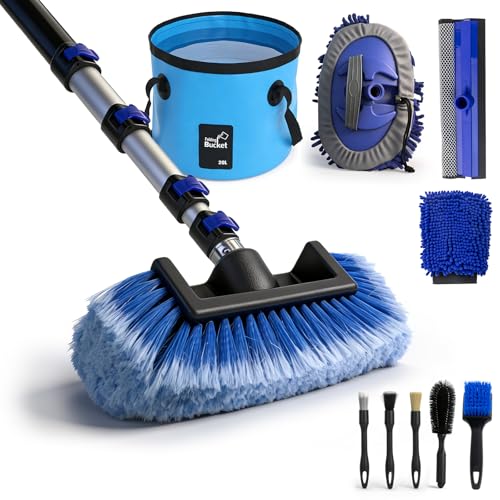
For a thorough refresh of your outdoor seating, the first step is gathering some simple supplies: a bucket, warm water, mild soap, soft-bristled brush, and a sponge. Avoid using abrasive tools as they can damage the surface. In my experience, a gentle approach goes a long way in maintaining the appearance and durability of your pieces.
Begin by mixing a few drops of mild detergent in warm water. I usually prefer a pH-balanced soap that won’t harm the materials. Once your solution is ready, dip the soft-bristled brush into it and start scrubbing the surfaces gently, focusing on areas with stubborn dirt or grime. This delicate technique helps to lift away buildup without scratching the finish.
After scrubbing, rinse thoroughly with clean water to ensure no soap residue remains. Using a garden hose with a spray nozzle works well for this purpose. For tougher stains or discolorations, consider letting your soapy solution sit for a few minutes before rinsing. This additional time allows the cleaning agent to penetrate and break down the dirt, making removal easier.
Once rinsed, dry each piece with a soft cloth or let it air dry in a shaded area. Direct sunlight can heat the materials and create a situation where water spots form, which is why I prefer to keep them out of the sun while drying. Following these steps regularly will not only maintain the aesthetic appeal of your outdoor seating but also extend its lifespan significantly.
Maintenance Tips for Synthetic Outdoor Seating
I recommend using a mixture of mild soap and warm water as the primary solution for maintaining synthetic outdoor seating. A soft-bristled brush helps to dislodge dirt and debris without scratching the surface. For stubborn stains, a mixture of baking soda and water can be effective–apply it, let it sit for a few minutes, and scrub gently before rinsing.


Preventing Mold and Mildew
<pTo combat mold and mildew growth, regularly check for moisture accumulation, especially in shaded areas. Keeping the seating dry and using a vinegar-water solution can inhibit growth. After heavy rains, wipe down the furniture with a clean cloth to remove excess water.
Storage and Protection
<p_During harsh weather conditions, I suggest covering the seating with protective tarps or storing them indoors. This additional layer will shield against UV rays and extreme temperatures, prolonging their lifespan. Make sure to choose breathable covers to prevent moisture buildup underneath.
Gather Necessary Cleaning Supplies
Before tackling the task, I gather specific items that will aid in the refreshment of outdoor seating. A soft bristle brush is my go-to for lifting dirt without scratching the surface. Microfiber cloths come next, perfect for applying solutions and wiping down surfaces thoroughly.
For the cleaning solution, I mix warm water with a mild dish soap. If there’s tougher grime, I might consider a vinegar solution for an added boost. I also keep a bucket handy to hold the soapy water. If needed, a garden hose ensures easy rinsing post-cleaning.
Protective gloves are essential to keep my hands safe from harsh chemicals. Lastly, I have a sponge on hand for scrubbing. With these supplies gathered, I feel ready to tackle the upkeep of my outdoor seating effectively.
Remove Loose Debris from Outdoor Pieces
Begin with a soft-bristle broom or a handheld vacuum to eliminate leaves, dust, and dirt from the surfaces. Focus on high-use areas, such as seating sections and tabletops.
- For tight spaces, use a damp cloth to pick up stubborn particles that may cling to crevices.
- A leaf blower can be useful for larger areas to quickly remove accumulated debris.
After initial debris removal, inspect the seating surfaces and table edges. Use a microfiber cloth for any remaining dust. This step ensures readiness for the subsequent cleaning phase, enhancing the effectiveness of deeper scrubbing or washing.
Regular attention to loose material prevents buildup and extends the life of the outdoor pieces, keeping them looking fresh and inviting for your gatherings.
Prepare a Cleaning Solution
To create an effective mixture, combine warm water with a mild dish soap in a bucket. A ratio of about one tablespoon of soap per gallon of water works well. If mildew is present, adding a cup of white vinegar enhances the solution’s potency. For stubborn stains, consider incorporating a quarter cup of baking soda.
Mix Thoroughly
Stir the mixture until the soap and other ingredients are well-distributed. Ensure there are no soap clumps remaining, which can hinder the cleaning process. Using warm water aids in dissolving grime effectively.
Testing the Solution
Before applying the cleaning solution to the entire surface, test a small, inconspicuous area. This precaution helps avoid any adverse reactions with the material. Wait for the test area to dry and assess if there are any changes in color or texture.
Scrub the Furniture with a Soft Brush
Using a soft brush is crucial for removing stuck-on grime without causing scratches. I recommend selecting a brush with nylon bristles, as they are gentle yet effective. Begin with a small, inconspicuous area to ensure no damage occurs.
Technique
Gently scrub the surfaces following the furniture’s contours. Make sure to apply even pressure to avoid wear. Pay special attention to areas with stubborn stains or built-up dirt, allowing the bristles to work the solution into the fabric. Regular brushing helps maintain the appearance over time.
Rinsing
After scrubbing, rinse the surfaces thoroughly with clean water. This step ensures that no detergent residue is left behind. A quick rinse will enhance the final look and feel, leaving the items fresh and inviting for use.
Use a Pressure Washer for Stubborn Stains
For tough marks that regular cleaning methods can’t tackle, a pressure washer is my go-to. Set it to a moderate setting–around 1500 to 2000 PSI–to avoid damaging the surface. Always start from a distance, about two feet away, and gradually move closer if needed.
Angle the nozzle at around 45 degrees to efficiently direct the water away from any delicate areas, ensuring that the powerful stream doesn’t ding or splinter the material. Pay special attention to crevices where dirt accumulates; the concentrated force blasts muck away effectively.
Maintain a steady hand while sweeping across the surface in even strokes to prevent uneven cleaning. After rinsing, follow up by inspecting for any remaining spots that may require additional scrubbing.
Once finished, it’s wise to allow ample drying time before using or covering the items again. This method can significantly reduce effort and time in maintaining the aesthetics of outdoor seating.
| Pressure Setting | Distance from Surface | Angle of Nozzle |
|---|---|---|
| 1500 – 2000 PSI | 2 feet | 45 degrees |
Rinse Thoroughly with Clean Water
After scrubbing the surfaces and removing any remaining debris, it’s essential to rinse everything well. I typically use a garden hose with a spray nozzle set to a medium or high pressure. This helps to clear away residue from the cleaning solution and any loosened dirt. Make sure to direct the water properly, getting into crevices where grime might still be hiding.
Start at the top of each piece and work your way down. This approach prevents dirty water from running over already cleaned areas. If you notice missed spots, don’t hesitate to spray those areas again until everything is clear. Skipping this step can lead to streaks or residue buildup once everything dries.
For best results, I recommend rinsing until the water runs clear and clean. Take the time to ensure it is completely free of soap. If possible, let the furniture air dry under the sun, which can also help eliminate any stubborn remnants of moisture.
Dry the Furniture Properly
After washing the outdoor seating and tables, it’s crucial to ensure they dry completely. I prefer to use microfiber cloths to soak up excess moisture, focusing on the joints and crevices where water tends to accumulate. For larger surfaces, I like to allow them to air dry in a well-ventilated area, preferably under sunlight, as this helps prevent mold and mildew.
Wipe Down Surfaces
I always take a moment to wipe down the surfaces after air drying, especially if the furniture is in a shaded area. This step helps eliminate any remaining droplets that could leave water spots or encourage microbial growth. A clean, soft cloth works perfectly for this task.
Check for Moisture Trapped in Crevices
Pay close attention to areas like the undersides and any intricate designs that may hold moisture. I use a hairdryer on a low setting cautiously in these spots, ensuring I don’t damage the materials. Alternatively, a fan can help expedite the drying process without applying heat directly.
Apply a Protective Coating
After thorough maintenance, it’s important to enhance the durability of the outdoor seating and tables by applying a protective coating. This process helps to shield the surfaces from UV rays, moisture, and dirt accumulation.
Choosing the Right Product
Select a high-quality, UV-resistant sealant or spray that is specifically formulated for outdoor materials. Look for options labeled as weatherproof or designed for plastic surfaces. Brands reviewed for consumer satisfaction often offer detailed guidelines on application and longevity.
Application Process
- Ensure the surfaces are completely dry before starting.
- Work in an area with good ventilation to prevent fumes from building up.
- Shake the protective product well before use to mix any components thoroughly.
- Using a spray applicator or a soft cloth, apply an even layer of the coating across all exposed surfaces.
- Allow the first layer to dry completely, usually around 30 minutes, before applying a second coat if necessary.
Regularly inspect the outdoor settings for signs of wear or degradation, reapplying the protective layer at least once every season to maintain its condition and appearance.
Regular Maintenance Tips for Longevity
Apply a soft cloth or sponge regularly to wipe away dust and grime. This simple step prevents buildup and keeps surfaces looking fresh.
Store items indoors during harsh weather conditions. Exposure to extreme temperatures or moisture can lead to wear and fading.
Check for loose screws or fittings periodically. Tightening them as needed ensures stability and durability over time.
Avoid using abrasive materials, as they can scratch and damage surfaces. Soft cleaning tools preserve the quality and appearance of the pieces.
Consider placing your items under shaded areas to minimize sun exposure, which can diminish colors and integrity.
Use coasters or mats under items like drinks and plates to avoid rings and stains that could compromise the finish. This keeps surfaces looking new longer.
Inspect for signs of algae or mold growth, especially in humid environments. Addressing these issues early prevents serious damage.
Apply a UV protectant spray as an additional barrier against sun damage. This preventative measure can significantly extend the life of your outdoor setups.
Rotate seating and tables occasionally to promote even wear and prevent uneven fading from sunlight.
FAQ:
What is the best method to clean resin patio furniture?
The best method to clean resin patio furniture involves using a mixture of warm water and mild soap. Begin by rinsing the furniture with a hose to remove loose dirt and debris. Then, apply the soapy water using a soft cloth or sponge, scrubbing gently to avoid scratching the surface. Rinse thoroughly with clean water and allow the furniture to air dry. For stubborn stains, a solution of vinegar and water can be effective, but always test a small area first to ensure it doesn’t damage the resin.
How often should I clean my resin patio furniture?
It is advisable to clean your resin patio furniture at least once every season, or more frequently if it is exposed to harsh weather conditions or heavy use. Regular cleaning helps prevent the buildup of dirt, mildew, and stains, ensuring that your furniture remains in good condition and extends its lifespan. If you notice any spills or stains, clean them promptly to avoid lasting damage.
Can I use bleach to clean resin patio furniture?
Using bleach on resin patio furniture is generally not recommended, as it can cause discoloration and damage to the material. Instead, opt for a mixture of mild soap and water or a diluted vinegar solution for effective cleaning without risking harm to the resin. If mildew is a concern, you can use a diluted bleach solution (1 part bleach to 10 parts water), but be sure to test it on a small, inconspicuous area first and rinse thoroughly afterward.
What should I do if my resin patio furniture has stubborn stains?
For stubborn stains on resin patio furniture, try using a paste made of baking soda and water. Apply the paste to the stained area and scrub gently with a soft brush or sponge. Rinse thoroughly with water afterward. If the stain persists, consider using a specialized resin cleaner available at home improvement stores, following the manufacturer’s instructions carefully. Always test any cleaner on a hidden area first to avoid damaging the finish.
Is it necessary to cover my resin patio furniture during the winter?
While resin patio furniture is generally durable and weather-resistant, it is a good idea to cover it during the winter months or store it indoors if possible. This helps protect the furniture from harsh winter conditions, such as snow and ice, which can cause long-term damage. Covers can prevent buildup of moisture and dirt, making it easier to maintain your furniture once warmer weather returns.
What materials do I need to clean my resin patio furniture?
To clean resin patio furniture, you will need a few basic materials. First, gather a bucket of warm soapy water—mild dish soap works well. You may also want to get a soft sponge or cloth to avoid scratching the surface. For tougher stains or dirt buildup, a soft-bristle brush can be helpful. Additionally, having a garden hose or a spray bottle with clean water can assist in rinsing off the soap. Lastly, to protect the furniture after cleaning, you might consider having some outdoor furniture polish or protectant on hand.
How often should I clean my resin patio furniture?
The frequency of cleaning your resin patio furniture depends on its exposure to the elements and how much it is used. Generally, it’s recommended to clean the furniture at least once a month during the warmer months. If your furniture is frequently used or left outside during the winter, consider cleaning it every two weeks. After heavy rain or storms, it’s a good idea to check for any debris or stains and clean as necessary to prevent buildup. Regular maintenance helps keep the furniture looking its best and prolongs its lifespan.


