
 Caleb Turner

Prioritize examining the hide quality before making your selection. Full-grain options exhibit unique characteristics like natural scars and variations, showcasing authenticity. Avoid products labeled as bonded or faux, as they do not offer the same durability or aesthetics.
Investigate the construction techniques used in the piece. Solid wood frames are preferable over particle board or MDF, as they provide enhanced stability and longevity. Look for reinforced joints to ensure the item withstands daily use.
Analyze the craftsmanship details such as stitching and finishing. Double-stitched seams often indicate greater durability, while a smooth finish suggests careful attention to detail. Testing zippers and other mechanisms can also reveal the overall quality.
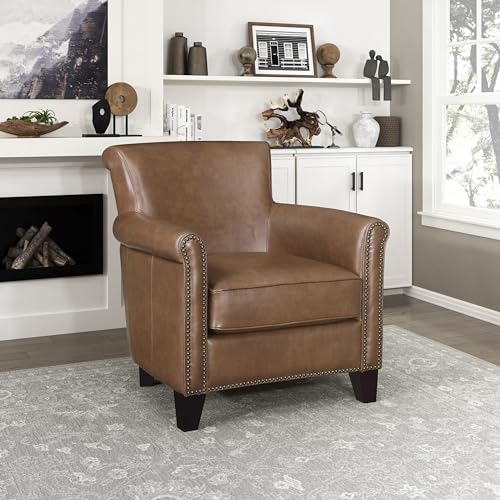


Secure items that come with a warranty. This assurance reflects the manufacturer’s confidence in their product and protects your investment. A reliable return policy can also be beneficial in case the item does not meet your expectations after purchase.
Choosing the Right Piece
Look for high-quality production. Check stitching; it should be tight and consistent without loose threads. Examine the seams for durability. A good piece will have reinforced areas where stress occurs, such as corners or edges.
Evaluate the Material Quality
Inspect the grain. Natural patterns indicate authentic hide, while artificial textures often suggest synthetic substitutes. Smell can also offer clues; genuine hide carries a distinctive scent, unlike plastic alternatives. Test for softness and flexibility; it should feel supple and resilient.
Assessing Comfort and Functionality
Sit down on different options. Comfort varies widely depending on padding and design. Ensure the height and depth suit your body. Consider the intended use; a casual lounging piece will differ in structure compared to a more formal seating arrangement.
Determine the Type of Material You Need
I prioritize understanding the specific type of hide before making any selection. Each variant offers distinct characteristics that influence durability, maintenance, and aesthetics.
Full-Grain vs. Top-Grain
Full-grain options are unaltered and retain natural imperfections, showcasing authentic texture and durability. They develop a unique patina over time, making them ideal for long-term use. Conversely, top-grain options have undergone sanding and finishing processes, providing a more uniform appearance but reducing breathability.
Split and Bonded Alternatives
Split varieties, created from the lower layers of the hide, offer a more economical choice but at a cost of lower durability. Bonded materials, consisting of leather scraps reinforced with adhesives, present an affordable facade but typically lack longevity. For those who seek affordability, these options may suffice, but I prefer the superior quality found in full and top-grain selections.
In my experience, ensuring the right type of hide aligns with your lifestyle and preference significantly enhances satisfaction with the final piece. Prioritizing quality over initial cost often results in a more fulfilling investment.
Assess Your Budget for Quality Seating
Careful planning around financial outlay is crucial. I recommend establishing a precise limit before exploring options. This ensures I focus on pieces that align with my financial parameters.
Break Down Total Costs
Consider the following elements in my expenditure:
- Initial Price: Research average costs of various items to set a baseline.
- Delivery Charges: Account for transport fees, especially for larger items.
- Warranty and Maintenance: Factor in costs associated with protection plans or necessary upkeep for prolonged use.
- Accessories: Include additional expenses for matching pillows or throws that enhance appeal.
Evaluate Financing Options
If upfront payments seem daunting, several merchants offer financing plans. Before opting for credit, I will assess:
- Interest Rates: Compare across multiple retailers to avoid high charges.
- Payment Terms: Identify the length of repayment periods and flexible options.
- Hidden Fees: Scrutinize contracts for any unexpected costs related to financing.
By laying out these financial considerations, I can make an informed decision focused on my comfort and style preferences while staying within my budget constraints.
Choose the Right Style for Your Space
Identify your interior design theme before making a selection. Assess whether your area reflects a modern, traditional, or eclectic style. This clarity will guide your choices.
Modern Aesthetic
- Opt for sleek lines and minimalistic designs.
- Choose neutral colors like gray or black for versatility.
- Consider furniture with metal or glass accents to complement the look.
Traditional Approach
- Look for classic shapes with rich, deep hues such as brown or burgundy.
- Textures and intricate details will add character; think tufted backs or nailhead trims.
- Balance with warm, inviting fabrics and finishes.
For a small space, select compact models that offer functionality without overwhelming the area. Corner units can utilize unused space effectively. If your environment is open concept, consider larger pieces that can visually connect different zones.
Incorporating accessories like cushions or throws will create a cohesive feel. Fabrics in complementary colors or patterns can enhance appeal. Always keep in mind that meaningful combinations can transform your surroundings dramatically.
Research Manufacturers and Brands
Begin with a shortlist of companies recognized for high-quality craftsmanship. Focus on brands that have an established reputation for durability and style. Reviews and testimonials can provide valuable insight into customer experiences.
Evaluate Brand History
- Look for manufacturers with a long-standing presence in the market; this often indicates reliability.
- Investigate any awards or certifications received by the companies which highlight their quality standards.
- Consider brands specializing in certain styles, such as modern or traditional designs, based on your preferences.
Assess Warranty and Service
Review warranty options; a comprehensive warranty speaks to the manufacturer’s confidence in their products. Examine customer service responsiveness to gauge support after purchase. This can be critical if any issues arise.
- Check for lifetime or extended warranties that cover material defects and workmanship.
- Read customer service reviews to identify helpful and prompt assistance from the brand.
Utilize online resources for comparisons. Websites that aggregate user feedback can help reveal trends in satisfaction or common complaints about specific manufacturers. Make a decision based on thorough research and informed choices.
Check the Quality of Leather Materials
I focus on identifying genuine hides versus synthetic alternatives. Real materials typically have an irregular texture, displaying natural scars and imperfections, while synthetics appear overly uniform. To assess their tactile quality, I run my fingers over the surface; authentic hides feel warm and supple. In contrast, faux options can be cold and overly slick.
I pay close attention to the smell. Genuine hides emit a distinctive, rich aroma, while synthetic products often have a chemical scent. Testing flexibility is also important; I gently twist a corner of the material. Real hides should bend without cracking, whereas fakes may show signs of fatigue or peeling.
I examine the thickness by checking the edges. Genuine leather generally has a thicker cut than synthetic varieties. For added assurance, I look for certification tags or documentation verifying the origin and type of hide. Additionally, reputable vendors should provide care instructions tailored to specific materials.
I also consider the finish. Natural finishes enhance durability and character, while overly shiny coatings may indicate lower-grade options. If possible, I inquire about the tanning process used, as vegetable-tanned options are often more desirable than those treated with harmful chemicals.
<pFinally, gathering feedback from previous customers and checking for warranties can guide my decision-making process regarding the longevity of the product. All these steps ensure I'm well-informed about the quality of the material I'm choosing.
Understand Different Leather Finishes
Familiarize yourself with the main types of surface treatments available. Pigmented leather features a protective coating that enhances durability and allows for easier maintenance. This type is ideal for households with pets or children, as it resists stains and scratches effectively.
Aniline leather offers a natural look and feel, showcasing the original grain and texture. However, it’s sensitive to spills and requires regular conditioning to maintain its appearance. If you prefer a more luxurious aesthetic and don’t mind extra care, this option might suit you well.
Semi-aniline leather provides a compromise between durability and natural beauty. It retains some characteristics of aniline but includes a protective layer that makes it more resilient. This choice is practical for those who want elegance with a bit of added resilience.
Pull-up leather, known for its vintage appearance, features a unique trait; it develops a patina over time, making each piece distinct. Be prepared for its susceptibility to scuffs, as these can enhance the character of the material, but it also may require ongoing maintenance to stay looking its best.
Consider the finish that aligns with your lifestyle and preferences. Each option has its benefits and drawbacks, influencing the aesthetic and practicality of the item. Make your decision based on how you plan to use the item and the level of maintenance you’re willing to commit to.
Test Comfort and Durability Before Purchasing
To ensure satisfaction, I recommend personally testing the seating options. Sit down for an extended period, shift positions, and check for pressure points. This helps in assessing the ergonomic design and overall comfort.
Pay attention to the firmness of the cushions. They should provide adequate support without feeling too hard or too soft. I often gauge how well the seat conforms to my shape, which indicates quality craftsmanship.
Additionally, inspect the frame construction. A solid wood or metal frame often signifies durability. I would try rocking or shifting my weight to notice any creaks or instability.
Regarding upholstery, I run my hand over the surface to feel its texture. Genuine hides should exhibit a natural grain, free of excessive imperfections. I also look for stitching quality; tight, uniform stitches reveal skilled workmanship.
Testing features like recliners or adjustable settings is key. I check how seamlessly these functions operate and whether they align with my comfort preferences.
Finally, consider the longevity of the material. Ask the retailer about warranty coverage for structural defects or fading. A robust warranty often reflects confidence in the product’s resilience.
Consider Maintenance and Care Requirements
Prioritize easy-to-follow cleaning routines specific to your type of seating. Regular dusting with a soft, dry cloth helps prevent dirt buildup. For deeper cleaning, use a damp cloth with mild soap and water, ensuring you test it on a hidden area first to avoid discoloration.
Establish a schedule for conditioning the surface. This practice helps maintain moisture balance and prevents cracking. Select a conditioner appropriate for your material, applying it every six to twelve months based on usage.
Be mindful of spills. Quickly blot liquids with a soft cloth; avoid rubbing, which can spread the stain. Depending on the substance, specialized cleaners may be necessary. Always follow the manufacturer’s recommendations for stain removal.
Environmental factors can impact longevity. Avoid placing your pieces in direct sunlight or near heat sources, as such exposure can cause fading and drying. If you live in a humid area, consider a dehumidifier to maintain optimal conditions.
When it comes to pet ownership, invest in protective covers, especially for high-use areas. Select materials designed to withstand scratches and wear from claws. Regular grooming of pets minimizes shedding and dander.
| Care Task | Frequency |
|---|---|
| Dusting | Weekly |
| Deep Cleaning | Monthly |
| Conditioning | Every 6-12 months |
| Stain Treatment | As needed |
| Moisture Check | Seasonally |
Investing time in proper care enhances durability and preserves the aesthetics of your selection for years.
Explore Warranty and Return Policies
Before making a commitment, I carefully review the warranty and return policies offered by the retailer. This step often provides reassurance regarding the investment.
Warranty Details
Typically, warranties for upscale seating can range from one to five years. This coverage generally includes defects in materials and craftsmanship but may exclude normal wear and tear. It’s vital to ask for specifics, such as:
| Type of Coverage | Details |
|---|---|
| Material Defects | Covers flaws in the material supplied by the manufacturer. |
| Craftsmanship Issues | Includes stitching, frame stability, and construction faults. |
| Wear and Tear | Generally not covered; check for exclusions. |
Return Policies
Understanding the return policy helps me feel secure in my decision. A flexible policy allows for adjustments if the chosen piece does not fit as anticipated. I look for specifics like:
| Return Period | Conditions |
|---|---|
| 30 Days | Full refund if returned in original condition. |
| Return Shipping | Costs usually covered by customer unless defective. |
| Exchange Options | Available, typically without extra fees if within the period. |
I ensure to document all agreements and retain receipts, which simplifies any future claims or returns. Having clarity on these policies alleviates potential concerns about my purchase, making it easier to choose confidently.


