Caleb Turner

I recommend sourcing quality reclaimed wood frames for your next project. Begin by selecting ideal sizes that suit your intended design. Look for sturdy pieces that exhibit minimal signs of wear and tear, ensuring durability for your creations.
Next, gather essential tools: a circular saw for precision cuts, a sander for a smooth finish, and wood screws to secure components effectively. Acquiring items like wood glue can also enhance the stability of your assembly, especially in joint areas.


After gathering your supplies, develop a clear plan or sketch of your desired outcome. Sketching your concepts facilitates better visualization and helps prevent miscalculations during the assembly phase. It’s also beneficial to experiment with different layouts before committing to a final design.
As you progress, pay attention to safety procedures. Wearing protective goggles and gloves while working with wood and power tools will help minimize the risk of injury. Ensure your workspace is organized, allowing for easier access to your tools and materials.
The finishing touches are critical for enhancing aesthetic appeal. Consider staining or painting to complement your existing decor. A sealed finish not only improves appearance but also extends the life of your reclaimed materials.
Creating Unique Pieces with Reclaimed Wood
For this project, I recommend selecting sturdy wooden crates that are free of damage. Look for those with the right dimensions to match your intended creation. Make sure to inspect for any loose boards or protruding nails before proceeding.
Preparation Steps
- Disassemble the crates carefully to avoid splintering the wood.
- Sand each piece thoroughly to ensure a smooth finish and eliminate rough edges.
- If necessary, apply a wood treatment to protect against moisture or pests.
Assembly Techniques
- Use strong adhesive for an initial bond, then reinforce with screws or nails to ensure durability.
- Consider using brackets for added structural support, especially for weight-bearing items.
- Mix and match different crate sizes and styles for a customized look.
Always finish with a protective coat of sealant or varnish for longevity. This not only enhances the appearance but also provides a layer of protection against wear and tear.
Choosing the Right Pallets for Your Project
Select high-quality wood structures by looking for those stamped with “HT” (heat-treated) to ensure they are safe and free of harmful chemicals. Avoid pallets with markings such as “MB,” which indicate methyl bromide treatment, as this can pose health risks.
Assess the condition of each piece. Check for any signs of rot, pest damage, or excessive wear. Look for consistent, sturdy boards without significant cracks or splits. Aesthetic appeal matters too; choose pieces with an attractive wood finish that complements your design vision.
Types of Pallets
Consider the type of wood used. Softwoods like pine are more lightweight and easier to work with, while hardwoods, such as oak, offer durability but can be more challenging to handle. Each type comes with its benefits; softwoods are affordable and widely available, while hardwoods provide longevity and strength.
Sizes and Dimensions
Standard sizes vary; the common dimensions are 48×40 inches, but smaller options exist. Choose dimensions according to your project’s needs. Smaller pallets can provide the flexibility to create intricate designs, while larger ones can be more efficient for larger builds.
Essential Tools Needed for Pallet Furniture Making
Investing in quality tools saves time and enhances results. Here are the key instruments I rely on for creating pieces from wooden platforms:
Must-Have Tools
| Tool | Use |
|---|---|
| Electric Saw | Efficiently cuts wood to desired sizes. |
| Screwdriver Set | Easily fastens screws for assembly. |
| Hammer | Driver for nails and removal of old ones. |
| Sandpaper | Smooths rough edges for a polished finish. |
| Measuring Tape | Ensures accurate dimensions throughout. |
| Clamps | Secures pieces together during assembly. |
| Level | Checks for balance and straight lines. |
Optional, but Helpful
Although not mandatory, these tools can enhance the process:
- Drill: Speeds up creating holes for screws.
- Jigsaw: Enables detailed curves and cuts.
- Workshop Vacuum: Keeps the workspace tidy.
Having the right tools at hand streamlines the creation process, resulting in satisfying outcomes. Prepare your toolkit to maximize efficiency and enjoyment while crafting unique items.
Cleaning and Preparing Pallets for Use
Thoroughly inspect each wooden unit for damage, mold, or infestation. Remove any broken boards or protruding nails to prevent injuries during handling.
Start cleaning with a mixture of soapy water and a stiff brush. Scrub all surfaces to eliminate dirt and grime, focusing on crevices where bugs or debris may hide. Follow this by rinsing with a hose, ensuring excess moisture is removed. Allow adequate drying time in a well-ventilated area to prevent mold growth.
Disinfecting the Wood
A solution of vinegar and water works effectively for disinfecting. Spray the mix on the surfaces and let it sit for several minutes before wiping it down. This step is crucial for eliminating unwanted odors and ensuring the wood is safe for use.
Finishing Touches
After the wood has dried, sand any rough areas or splinters using medium-grit sandpaper, creating a smoother surface that’s pleasant to touch. This will also help prepare the wood for any finishing products, should you choose to apply paint, stain, or sealant later on.
Designing Your Furniture Piece: Tips and Tricks
Utilize a sketch to visualize your creation before commencing. This blueprint helps to determine size, proportion, and overall aesthetics, allowing adjustments before materials are cut.
Choose a Style
Decide on a specific style–rustic, modern, industrial–to guide your choices in color, texture, and finish. Research existing designs for inspiration and consider how your piece will fit into its intended environment.
Functionality and Ergonomics
Prioritize usability. Measure the available space to ensure it fits perfectly and meets functional needs. Always consider the height and scale in relation to the intended users; for instance, seating height must accommodate comfort for everyone.
| Tip | Description |
|---|---|
| Material Selection | Opt for high-quality finishes to enhance durability; sanding and sealing improve longevity. |
| Color Scheme | Consider the room’s color palette. Use complementary or contrasting hues to achieve visual harmony. |
| Test Proportions | Create mock-ups using cardboard to visualize dimensions and make necessary adjustments before finalization. |
| Customization | Add personal touches such as stencils, patterns, or fabric to reflect your unique style. |
This approach ensures a unique piece that is both aesthetically pleasing and functional in any space it inhabits.
Step-by-Step Guide to Assembling Pallet Furniture
Select your design to match the intended use and space. Visualize the layout and dimensions required before proceeding.
Begin measuring and cutting the materials according to the design specifications. Always double-check measurements to ensure accuracy.
Use sandpaper to smooth rough edges and surfaces. This not only enhances the appearance but also prevents splinters during handling.
For assembly, choose sturdy screws or nails. Pre-drill holes to avoid splitting the wood while securing each piece together securely.
Create a strong foundation by assembling the base first. Ensure it is level and stable, as this provides the necessary support for the entire structure.
Add additional support beams if necessary, ensuring weight distribution is even across the piece. This step is vital for durability.
Incorporate finishing touches, such as varnish or paint, to protect the wood and elevate the overall aesthetic. Allow adequate time for drying.
Finally, add any necessary accessories or decorative elements that reflect personal style, enhancing the functionality and appeal of the project.
Finishing Techniques for a Professional Look
Applying a proper finish is the key to achieving a polished appearance. I recommend using a combination of sanding, staining, and sealing to enhance the wood’s natural beauty.
Sanding: Start by using coarse grit sandpaper (80-120 grit) to smooth rough surfaces. Progress to finer grits (220-320 grit) for a silky texture. Always sand in the direction of the grain to prevent scratches.
Staining: Choose a wood stain that complements your style. Test on a small, inconspicuous area to see the true color once dried. Apply with a brush or rag, ensuring even distribution. Wipe off excess within the time recommended on the product label.
- For a rustic look, opt for dark stains like walnut or espresso.
- If aiming for a lighter finish, consider natural or honey-toned products.
Sealing: After staining, it’s crucial to seal your project for longevity. Use a clear polyurethane finish in either satin or gloss, depending on your preference. Apply with a brush, working in thin layers to avoid drips.
- Allow each coat to dry thoroughly–usually 4-6 hours.
- Sand lightly between coats with fine grit sandpaper for a smoother finish.
- Apply at least two to three coats to enhance durability.
Final Touch: For added enhancement, consider adding hardware or decorative elements that match your aesthetic. This could include handles, brackets, or decorative knobs. Select finishes that harmonize with the overall design.
By following these finishing techniques, your project will not only look professionally crafted but will also stand the test of time.
Safety Precautions While Working with Pallets
Always wear safety goggles and gloves to protect your eyes and hands from splinters and sharp edges. Ensure that your work area is clear of any hazards that might cause slips or falls.
Check for Chemicals
Inspect the wood for any markings, such as “MB” or “HT.” Markings like “MB” indicate that the wood has been treated with methyl bromide, a toxic pesticide. Choose safe options that are marked as heat-treated (HT) to avoid harmful chemicals.
Stable Work Environment
Make sure the workspace is well-lit and ventilated, especially when using solvents or paints. Position sawhorses or a sturdy table to provide a stable surface for cutting and assembling. Keep tools organized to minimize accidents.
Always use appropriate tools for the job. This includes a reliable saw, drill, and sander. Maintain tools in good condition, and replace any worn-out blades or bits before starting a project.
When lifting heavy pieces, use proper lifting techniques to avoid injuries. Bend at the knees, keeping the back straight, and never lift objects that are too heavy or awkward for you to handle comfortably.
Regularly assess your personal safety equipment and make sure it fits correctly. If any tool or piece of equipment feels uncomfortable or causes strain, stop using it and find a better alternative.
Emergency Preparedness
Keep a first aid kit handy and know how to use it. Familiarize yourself with the location of emergency exits. Inform someone about your project, especially if working alone, so they can check in on your progress.
Ideas for Customizing Your Pallet Furniture
Incorporating unique elements into your reclaimed wood creations adds a personal touch. Consider these customization options:
- Paint and Stain: Applying different shades or stains can drastically change the appearance. Experiment with weathered looks or bold colors to match your interior design.
- Upholstery: Adding cushions or padded tops can enhance comfort. Choose fabrics that complement your space and ensure durability.
- Lighting Integration: Incorporate LED strips or fairy lights within the structure for ambience. Simple additions like these transform utilitarian pieces into decor.
- Hardware Accents: Using decorative screws, knobs, or hinges can elevate the aesthetic. Opt for vintage or industrial styles to create a distinct look.
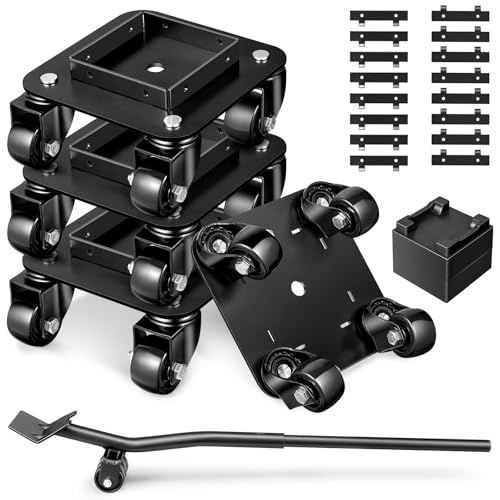
- Casters and Legs: Attach wheels for mobility or switch to stylish legs for a modern appearance. This not only adds versatility but can also enhance the visual appeal.
- Artistic Additions: Personalize with stencils, carvings, or decoupage techniques. This approach lets your creativity shine while making the item uniquely yours.
Experimenting with these ideas allows for endless possibilities. Each piece can become a reflection of personal style, ensuring no two creations are alike.