
 Caleb Turner
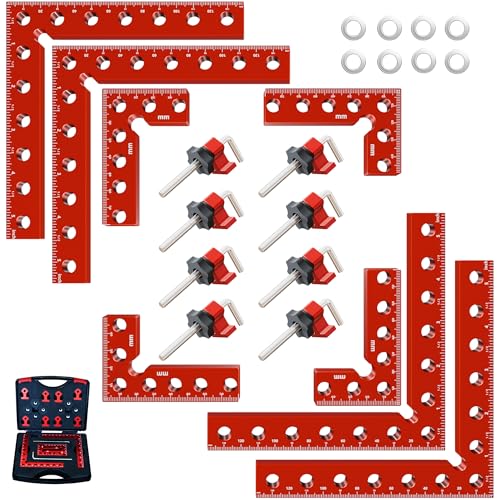
Lay out a solid plan before commencing any project. This involves sketching your design, determining dimensions, and listing materials needed. Careful planning prevents costly mistakes and ensures everything functions as intended.
Selecting the right type of timber is crucial. Opt for sturdy options like oak or maple for durability. Take into account the availability and cost in your area, as this can significantly impact your budget and timeline.

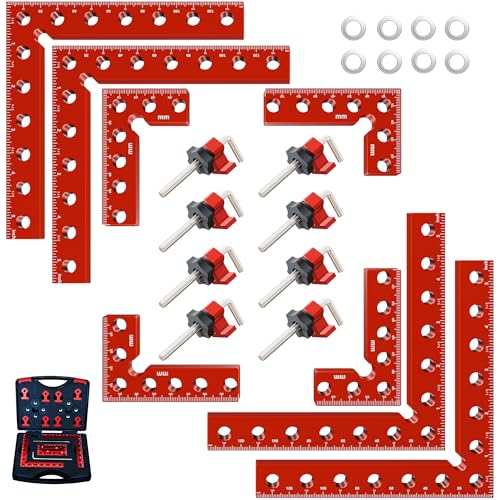

Tools play a significant role in achieving a polished look. Essential items include a table saw for precise cuts, a sander for smooth finishes, and a drill for assembling parts. Investing in quality tools can make a noticeable difference in the final product.
Joinery techniques dictate the strength of connections. Dovetail and mortise-and-tenon joints provide robustness; however, pocket hole joinery is simpler for beginners. Choose methods based on your skill level and desired aesthetic.
Finishing touches elevate the entire piece. Stains enhance the natural beauty of the material, while protective coatings ensure longevity. Test finishes on scrap pieces to achieve the desired look before applying to the final product.
Creating Custom Pieces
Focus on choosing high-quality timber for your projects. Species like oak, maple, and cherry provide durability and beauty. For a project, I often select a combination that balances aesthetics and structural integrity.
Tools Required
Gather essential tools to simplify the crafting process. A miter saw is crucial for precise cutting, while a power drill facilitates quicker assembly. A table saw ensures accurate sizing, and hand tools like chisels and clamps are vital for detailed work.
| Tool | Purpose |
|---|---|
| Miter Saw | Accurate cuts at various angles |
| Power Drill | Fastening joints and drilling holes |
| Table Saw | Uniform cuts and sizing of boards |
| Chisels | Detail work and joint fitting |
| Clamps | Holding pieces together during assembly |
Assembly Techniques
Joinery plays a critical role in the longevity of your creation. Consider options such as dovetail, mortise and tenon, or pocket holes based on the design’s complexity. Each method has its benefits; for example, dovetail joints resist pulling apart, making them ideal for drawer construction. Always ensure joints fit snugly to enhance stability.
Choosing the Right Type of Wood for Your Project
Opt for hardwoods like oak or maple for durability and rich appearance. If your creation requires resilience, these species withstand wear better than softer alternatives.
Pine is suitable for cost-effective solutions, ideal if looking for a lighter weight material. Its ease of handling makes it attractive for beginners.
Consider the intended use; for outdoor items, teak or cedar resist the elements effectively. Their natural oils protect against moisture and pests.
Understand the finish; some woods absorb stains and paints differently. Test samples to see how finishes react to the grain before committing.
Be mindful of sustainability; seek out reclaimed or FSC-certified options that support responsible forestry practices.
Match the grain and color to your overall aesthetic. Distinct grains can add visual interest, while consistent hues create a more uniform look.
Assess the weight for stability; heavier varieties like mahogany offer strong support, while lighter types can make assembly easier.
Finally, check for local availability to minimize costs and support your community. This decision can affect both budget and environmental impact.
Gathering Necessary Tools and Materials
For any crafted piece, assemble a drill, saw, hammer, measuring tape, square, and sandpaper. A circular saw or miter saw provides accurate cuts, while a power drill enables efficient fastening. Include clamps and a level for secure and straight assembly.
Materials to Acquire
Select high-quality boards based on your project requirements. Plywood, hardwoods like oak or maple, and softwoods such as pine offer various aesthetics and durability. Don’t forget fasteners–screws, nails, or brackets–based on the design complexity. Also, protective finishes like stains or varnishes enhance appearance and longevity.
Workspace Preparation
Designate a tidy area with ample room for maneuvering. Ensure adequate lighting for precision work. Having a sturdy workbench facilitates all stages, from measuring to assembly. Organize tools and materials to maintain an efficient workflow.
Creating a Detailed Design and Measurements
Begin with precise sketches. Utilize graph paper to represent scale accurately, ensuring all dimensions are proportionate. I often highlight key features like curves or joints, which aids in visualizing the final piece.
Establish measurements by measuring spaces where the item will reside. Consider height, width, and depth. I recommend using the following steps:
- Measure the area: Use a tape measure to get the exact dimensions of the designated space.
- Account for clearance: Ensure there’s extra space for ease of movement and potential future adjustments.
- Draft a scale mock-up: Create a small-scale version of the design. This method helps forecast proportions and design flaws early.
Detail your design by annotating components. Include:
- Dimensions for each part – specifying length, width, and thickness.
- Materials needed – stipulating the type of timber and any additional elements like hardware.
- Assembly instructions – outlining how each component connects.
Confirm all angles are accounted for to avoid complications during assembly. Use tools like protractors for accurate angle measurements. After drafting, compare your sketches to ensure consistency and make adjustments if necessary.
Lastly, take time to review measurements a second time before beginning the actual creation. This step minimizes mistakes and wastage, leading to a more satisfying outcome.
Preparing Material: Cutting and Sanding Techniques
For precise cutting, I utilize a table saw or circular saw, ensuring I have a stable support system. When setting up the saw, I adjust the fence to the desired measurement, marking my cut line with a square for accuracy. Always use a push stick for safety, especially with narrower pieces, to keep my hands at a safe distance from the blade.
Measuring and Marking
Before any cuts, I take time to measure twice and mark carefully. This includes making straight lines using a chalk line for longer span cuts. For intricate shapes, a jigsaw is ideal, allowing me to navigate curves with precision. I often use a fine-tooth blade for smoother results, minimizing the need for additional sanding later.
Sanding Techniques
Post-cutting, I begin the sanding process with coarser grit paper, like 80 or 100, to remove rough edges. Progressively, I shift to finer grits, such as 220, for a smooth finish. I prefer using an orbital sander for flat surfaces, ensuring even pressure is applied. For corners or detailed areas, hand sanding with a block helps achieve a uniform texture. I conclude by inspecting the surface and filling any imperfections with wood filler before the final sanding process.
Once satisfied with the smoothness, I wipe down the surface with a damp cloth to remove dust. This preparation sets the stage for the next steps in creating an enduring piece.
Jointing Methods for Sturdy Connections
For robust connections in your project, I recommend using a combination of traditional and modern jointing techniques. Mortise and tenon joints provide exceptional strength, especially for frames or load-bearing structures. Cut a square or rectangular hole (mortise) into one piece and a corresponding projection (tenon) on the other. Secure with wood glue and complement with dowels or screws for additional support.
Butt Joints
Butt joints, while simple, can be surprisingly effective if reinforced properly. I apply glue along the edges where the pieces meet and often add corner braces or metal brackets for increased stability. This method works well for shelving and lighter constructs.
Dovetail Joints
Dovetail joints are a classic choice for drawer construction. Their interlocking design enhances resistance to pulling apart. Precision is vital here; I use a dovetail jig for consistent results. Ensure the tails and pins fit snugly, then secure with glue. This technique not only strengthens the joint but also enhances aesthetic appeal.
Lastly, consider using pocket hole joinery for quick and sturdy combinations, especially in cabinetry. A pocket hole jig allows for angled holes that hide screws, providing a clean finish. This method has become a favorite due to its speed and efficiency, making it ideal for various assembly tasks.
Finishing Techniques: Staining and Sealing Wood
A proper finish enhances the aesthetics and durability of your creation. To achieve an optimal result, I recommend following these steps:
- Choose the Right Stain: Test different shades on scrap pieces to see how they interact with the material. Expect variations based on grain, porosity, and moisture content.
- Application Method: Utilize a brush, cloth, or sponge to apply the stain. Work in sections, using even strokes to ensure uniformity.
- Wipe Off Excess: After a few minutes, wipe off the excess stain with a clean, dry cloth to prevent blotchiness and achieve the desired shade.
- Let it Dry: Allow adequate drying time. Refer to manufacturer guidelines, but typically 4 to 8 hours is standard for oil-based stains.
- Sealing the Finish: Select an appropriate sealer, such as polyurethane or varnish, depending on your intended use. Choose between water-based or oil-based for compatibility with the stain.
- Application of Sealer: Using a brush or roller, apply a thin layer of sealer, ensuring to follow the wood grain. Avoid pooling in corners or edges.
- Light Sanding Between Coats: After the first coat dries, lightly sand with fine-grit paper to ensure adhesion of additional layers. Clean off dust thoroughly.
- Multiple Coats: For durability, apply at least two to three coats of sealant. Follow the same application and drying procedures for each coat.
- Final Cure: Allow the final coat to cure according to the manufacturer’s recommendations. This can take from several days to weeks for full hardness.
These finishing techniques will give your projects both a professional appearance and increased lifespan. Consistency in application is key to achieving a seamless finish.
Assembling and Finalizing Your Furniture Piece
Align joints precisely for a seamless fit. Use clamps during the glue setting to maintain pressure until the adhesive cures fully. Ensure all parts are flush to achieve stability and aesthetics. Double-check that every connection is secure before moving on.
Employ wood screws or dowels for additional reinforcement. Pre-drill holes to prevent splitting and make the process smoother. Select appropriate fasteners based on your project’s scale and weight requirements.
After assembly, focus on surface perfection. Inspect for any gaps or imperfections. If you identify them, fill with wood filler that matches the material, then sand gently once dry to blend seamlessly.
Apply the finish methodically. Use a brush or cloth for even application, following the grain to enhance the natural pattern. Consider multiple coats, allowing ample drying time between applications for a durable outcome.
Complete the piece by attaching any hardware like handles or hinges, ensuring they are aligned and function correctly. Apply a final inspection for overall quality and visual appeal, correcting any last-minute issues.


