Caleb Turner
To achieve fluidity in a shared environment, I focus on creating distinct zones for various activities. For instance, using rugs can effectively demarcate a living area from a dining space, fostering a sense of purpose while maintaining an open feel.
Ensuring that pathways between zones remain clear is another priority. I recommend leaving at least 18 inches of space for comfortable movement. This not only enhances accessibility but also keeps the overall atmosphere inviting and spacious.
Incorporating multifunctional pieces serves to optimize both use and aesthetics. Consider a coffee table that doubles as storage or a sofa that can transform into a bed. This approach minimizes clutter and maximizes utility without sacrificing style.


Lighting plays a pivotal role as well. I suggest layering different sources of illumination to enrich each area. Combining ambient, task, and accent lighting creates warmth, while adjustable fixtures allow for flexibility in mood and function.
Finally, personal touches and carefully chosen accessories contribute significantly to the character of the space. Incorporating artwork and plants can provide focal points and enhance the connection between different zones, creating a harmonious atmosphere.
Furniture Placement in a Spacious Design
I recommend utilizing area rugs to delineate separate sections within a large space. A well-placed rug can anchor a seating area, establishing a cozy atmosphere while offering a visual cue for different uses. Choose sizes that fit the intended zones without overpowering the overall area.
Create Traffic Flow
Always consider pathways between zones. Leave at least 24 inches of clearance in high-traffic areas to ensure smooth movement. Arrange seats to face each other, promoting conversation while also allowing for easy transition between sections without interruptions.
Multi-Functional Elements
Incorporate pieces that serve multiple purposes. For instance, ottomans can act as additional seating or storage. A coffee table with shelves can keep essentials handy, reducing clutter. Select items that harmonize with the overall aesthetic while maximizing functionality.
Evaluate Your Space and Traffic Flow
Begin with measurement. Knowing the dimensions of your area allows for precise placement of each piece. Use a tape measure to gather data about length and width, considering doorways and windows to maximize natural light and accessibility.
Next, visualize traffic patterns. Pay attention to how individuals move through the space. Identify primary routes between areas such as the kitchen, living, and dining sections. Ensure that these paths are unobstructed and comfortable for movement.
| Traffic Path Type | Recommendation |
|---|---|
| High Traffic | Avoid placing bulky pieces in this zone to maintain accessibility. |
| Moderate Traffic | Consider slimmer designs that allow for easy passage while still offering utility. |
| Low Traffic | Utilize larger items or clusters, creating conversation areas without impeding flow. |
If hosting gatherings is common, consider accessibility for your guests. Allow for enough distance between seating and tabletop surfaces, creating a comfortable environment for interactions. Maintain balance between functionality and aesthetics; both elements contribute to an inviting atmosphere.
Lastly, perform a walk-through. Move about the space and mentally engage with the layout. Adjust positions until the arrangement feels intuitive, catering to both daily tasks and social interactions. This hands-on approach will lead to a more harmonious setup.
Choose a Focal Point for Each Area
Identify a primary feature for each segment of your space. This could be a fireplace, a piece of art, or a stunning piece of furniture. Position seating arrangements to create a view toward this focal point, ensuring it draws attention and establishes a sense of purpose in the room.
For dining areas, a bold table can serve as a centerpiece. Use lighting, such as a chandelier, to accentuate this area. In relaxation zones, consider a striking lounge chair or a unique coffee table. Balance the room by allowing pathways to wind naturally around these elements.
In multi-functional spaces, consider how each area interacts. A bookcase can provide boundary while remaining visually cohesive. Ensure that each focal point complements the others without overwhelming the overall aesthetic.
Remember to select colors and textures that enhance these main features. Incorporate elements that resonate with your personal style while still aligning with the ambiance of each area. Use rugs or different flooring materials to define spaces and lead the eye toward each focal point.
Select Multi-Functional Furniture
Prioritize pieces that offer versatility and practicality. Items like sofas with built-in storage, extendable dining tables, and ottomans that double as seating or storage reduce clutter and maximize usability.
- Look for modular sofas; they can be rearranged into different configurations based on your needs.
- Choose coffee tables with shelves or hidden compartments for additional storage.
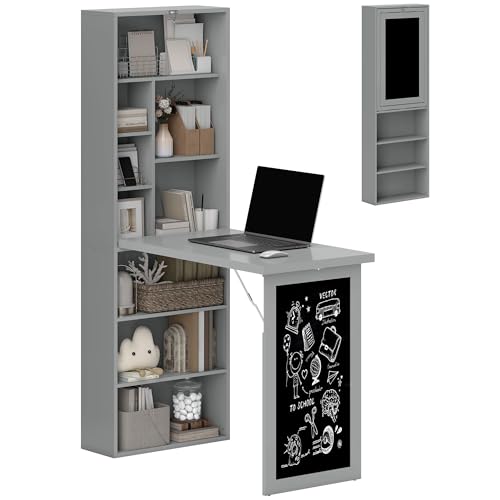
- Consider a fold-out desk that can be easily hidden away when not in use.
- Purchase nesting tables for flexible surface area without taking up too much space.
- Invest in a bed frame with drawers or a lift-up mechanism for discreet storage.
Measure each item to ensure it fits comfortably within your area without making it feel cramped. I find it helpful to visualize the layout before making any purchases.
Utilize multi-functional pieces to define zones while ensuring fluidity between sections. Each item should serve more than one purpose, creating an inviting atmosphere that adapts to various activities.
Define Zones with Rugs or Furniture Placement
Utilizing rugs is an effective way to demarcate specific areas within a vast room. Choosing distinct patterns or colors can visually separate spaces, like a cozy reading nook from a dining area.
Consider arranging seating in a cluster, creating an intimate conversation zone. Positioning a rug beneath the seating will anchor the space, giving it a defined feel while enhancing comfort.
In regions designated for similar activities, such as a workspace or play area, use furniture orientation to establish boundaries. Place desks or shelves to guide flow and indicate separate functions. This will create a sense of order.
Don’t overlook the vertical space; tall bookshelves can delineate one area from another, serving both as storage and a divider. This method contributes to visually clear zones without the need for permanent walls.
Investing in versatile pieces, such as ottomans or benches, can enhance both utility and separation. They allow for flexibility in arrangement while providing multifunctional options.
Finally, maintain a cohesive look by ensuring that chosen rugs and furniture harmonize with the color scheme of adjacent areas. This unity creates an inviting atmosphere while clearly marking distinct zones.
Balance the Scale and Proportion of Furniture
To achieve harmony in your living space, sizes of each item should relate well with one another and the dimensions of the area. Large pieces can overwhelm a smaller space, while tiny items might get lost in a vast room. I prefer considering the height, width, and visual weight of each element when selecting my pieces.
Size Up with Measurements
Before making any purchase, I always measure the room. I take into account the height of ceilings and the layout of windows and doors. For instance, tall shelves can create vertical lines that draw the eye upward and enhance the perception of a larger area. Conversely, low-profile seating can make a small space feel more spacious. Ensuring that all items fit seamlessly is key.
Mixing and Matching Styles
Combining varying styles can create an engaging look, but proportionality must not be overlooked. I often juxtapose contemporary items with vintage ones, ensuring their sizes complement each other. A massive, rustic coffee table paired with sleek, minimalist seating creates an interesting contrast as long as the scale is consistent. Striking the right balance enhances aesthetics while maintaining functionality.
Incorporate Storage Solutions Seamlessly
Utilizing built-in shelves can efficiently free up precious space while adding style. Consider installing floor-to-ceiling units that blend with walls for a seamless look.
Opt for decorative storage boxes or baskets that fit your décor. Place them strategically on shelves or under tables to keep items organized while maintaining an aesthetic appeal.
Transform underutilized areas, such as the space beneath staircases, into hidden storage. Custom cabinetry or open shelving can enhance functionality without disrupting visual flow.
- Use ottomans with hidden compartments for extra seating and storage.
- Invest in furniture that includes drawers or shelves, providing dual-purpose solutions.
- Incorporate wall-mounted hooks to hang items like bags or hats, clearing floor space.
Keeping frequently used items within reach is vital. Arrange storage solutions logically, ensuring easy accessibility while maintaining a clean appearance.
Assess your storage needs as you design each zone. It’s crucial that every piece serves a purpose, ensuring an organized environment that feels cohesive.
Utilize Lighting to Enhance Functionality
I focus on layering light sources to support various activities within the space. Start with ambient lighting, such as overhead fixtures, to provide general illumination. Incorporate task lighting in specific areas, like table lamps for reading or under-cabinet lights in the kitchen for cooking tasks.
Incorporate Dimmers
Dimming switches allow for control over brightness levels, enabling adjustments based on the time of day or the activity being performed. Whether hosting guests or enjoying a quiet evening, the flexibility creates an inviting atmosphere tailored to the moment.
Highlight Architectural Features
Using focused lighting to spotlight architectural details, such as accent walls or artwork, adds depth and interest to the area. Position wall sconces or track lighting strategically to draw attention to these elements, enhancing the overall aesthetic while defining functional spaces.