
 Caleb Turner
Place your seating strategically for maximum utility; consider a loveseat or modular couch that can adapt to your needs. Position it against a wall or in a corner to open up the floor. This creates a cozy nook while maintaining flow throughout the area.
Choose multifunctional pieces that enhance utility. A coffee table with hidden storage can help keep the environment tidy. Stools can serve as extra seating when needed and can be tucked away when not in use, preserving walkable paths.
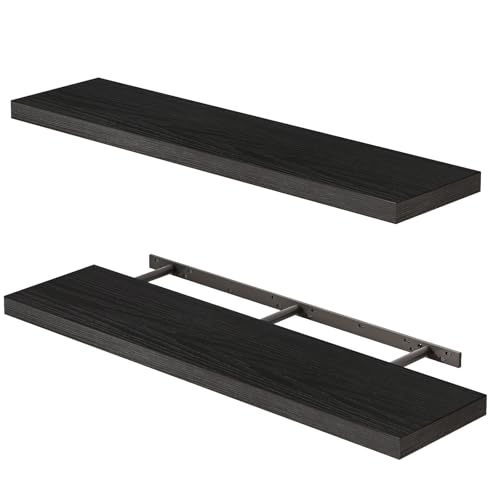
Utilize vertical surfaces effectively. Wall-mounted shelves can display decor and books, freeing up limited surface areas. Mirrors can also create an illusion of spaciousness, making the area feel airier. Consider hanging artwork at eye level to draw the gaze upward, contributing to the perceived height of the walls.


Lighting plays a pivotal role. Use a combination of overhead fixtures and floor or table lamps to create warmth. Soft, ambient light can soften the edges of your compact area, making it feel inviting rather than cramped.
Lastly, maintain a cohesive color palette. Light hues for walls and upholstery can expand the visual feel of the space. Add splashes of color through accessories to inject personality without overwhelming the senses.
Optimal Use of Furniture in Limited Areas
Arrange your essentials by adhering to a clear focal point. This could be a coffee table or a television. Position smaller seating options, like accent chairs or a loveseat, around this centerpiece to create a natural flow of movement.
Multifunctional Items are Your Allies
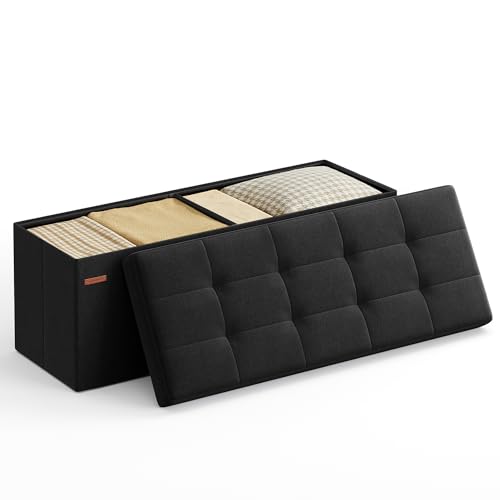
Incorporate pieces that serve multiple purposes. For instance, ottomans with storage capabilities can hold blankets while providing additional seating. Consider wall-mounted shelves for books or decorative elements, maximizing vertical reach without consuming floor area.
Strategic Room Layout
Use a diagonal layout to instill depth. Angling furniture away from walls can make the area feel larger. Ensure pathways are clear and avoid overstuffing with accessories. Limit decorative items to a few impactful pieces to maintain a sense of openness.
Choosing the Right Furniture Scale for Small Rooms
Select pieces that complement proportions. For a compact area, opt for streamlined items that don’t overpower the environment. Low-profile sofas and sleek accent chairs can enhance the visual flow.
Avoid bulky designs; they can make the area feel cramped. Consider multifunctional options, like ottomans that serve as storage or coffee tables that can shift for various needs. This adaptability maximizes utility without sacrificing style.
Lightweight materials contribute to an airy ambiance. Transparencies, such as glass tops or acrylic legs, give an illusion of space, while dark, heavy woods can pull attention downwards, hindering openness.
Ensure balance within the arrangement. Group smaller pieces to create cozy nooks without overwhelming. A pair of slender side tables can replace a substantial coffee table, allowing maneuverability.
Incorporating vertical elements, like tall bookshelves or wall-mounted units, draws the eye upward, creating a sense of height. This tricks the mind into feeling more expansive surroundings.
Always keep functionality in focus. Every addition should serve a purpose beyond decoration. I prioritize items that cater to both comfort and practicality to enhance the experience of the environment.
Optimizing Furniture Layout for Traffic Flow
Prioritize clear pathways to ensure smooth movement throughout the area. Allow at least 24 inches of space between pieces to prevent congestion, especially in high-traffic zones.
Key Traffic Flow Strategies
- Position larger items against walls to maximize central circulation.
- Use rugs to define specific areas while keeping pathways open.
- Orient seating to face one another, promoting conversation while maintaining ease of movement.
- Incorporate multi-functional pieces that can be easily rearranged or stored.
Testing Your Layout
- Walk through the area to see if there are any bottlenecks; adjust positioning based on your experience.
- Consider using masking tape to outline furniture dimensions on the floor before making any permanent changes.
- Aim for a balance between functionality and aesthetic appeal; a well-flowing area will naturally feel more inviting.
Utilizing Multifunctional Furniture Solutions
Incorporate pieces that serve multiple purposes to maximize utility without cluttering. Consider a sofa bed for seating and sleeping, or an ottoman that offers storage and a footrest. This duality conserves area while enhancing functionality.
Examples of Multifunctional Options
| Type | Function |
|---|---|
| Sofa Bed | Seating during the day, sleeping at night |
| Storage Ottoman | Seating, storage for blankets or books |
| Wall-Mounted Desks | Workspace when needed, folds away to save area |
| Nesting Tables | Used together for surface space, stacked for easy storage |
| Convertible Coffee Tables | Transforms to dining or work surface |
Benefits of Multifunctionality
Choosing multifunctional items allows you to create a more open environment. It minimizes the necessity for separate furnishings, which can make the area feel cramped. Prioritize versatile solutions that meet various needs without dominating the surroundings.
Incorporating Vertical Space for Storage
To maximize storage in tight quarters, I always suggest utilizing vertical elements. Tall bookshelves or wall-mounted shelves provide opportunities for both organization and display without consuming floor area. Opt for shelves that reach toward the ceiling to draw the eye upward, creating an illusion of increased height.
Utilizing Wall-Mounted Units
Wall-mounted cabinets or floating shelves can house books, decorative items, or everyday necessities. By anchoring these units at varying heights, I find they add visual interest and accommodate different types of items. Incorporating a mix of closed storage and open shelving allows for both a tidy appearance and personal expression.
Creative Use of Hooks and Pegboards
Incorporating hooks or pegboards is another strategy I like to employ. Hooks can hold everything from bags to hats, while a pegboard can organize tools or art supplies. This not only helps to reduce clutter but also frees up surfaces, allowing for a more open and airy feel in the environment.
Arranging Furniture for Visual Balance
To achieve visual harmony in compact environments, I prioritize the distribution of visual weight. I often choose a focal point, like a fireplace or artwork, and orient all pieces toward it. This creates a cohesive look that draws the eye where I want it.
Incorporate Symmetry
Utilizing symmetrical arrangements can enhance balance. I place similar items, such as two armchairs or matching side tables, on either side of the centerpiece. This method creates an inviting atmosphere and helps to ground the overall aesthetic.
Vary Heights for Interest
Introducing elements of varying heights adds depth. I mix tall and low pieces, such as a slim bookcase alongside a low-profile sofa. This variation breaks monotony and directs attention throughout the area, making it feel more dynamic.
Choosing colors and materials wisely also contributes to visual balance. I often opt for a neutral palette with pops of color in accessories. This approach ensures that no single element overwhelms the space while providing visual interest.
Incorporating open legs on furniture can create an airy feel. When items lift off the ground, I find that the overall look appears lighter, which is especially important in tight quarters.
Lastly, I avoid overcrowding by leaving sufficient space between pieces. Ensuring there’s enough room allows each element to breathe, ultimately fostering an attractive and functional environment.
Using Rugs and Accessories to Define Areas
Choose rugs to delineate areas, creating visual boundaries that can help distinguish between functions like lounging and reading. A well-placed rug can anchor seating arrangements, making the area feel cohesive and inviting.
Selecting the Right Rugs
- Opt for soft textures that invite comfort. Natural fibers like wool or cotton are both durable and pleasant underfoot.
- Consider the size; a rug should extend beyond the front legs of furniture to create a unified look.
- Use color and pattern deliberately; lighter shades can make areas feel spacious, while bold patterns can add personality.
Utilizing Accessories for Zone Definition
- Incorporate floor lamps or side tables to signal different areas; these items can visually separate functions without creating physical barriers.
- Use decorative screens or bookshelves as dividers. They can provide storage and define areas simultaneously.
- Cushions and throws can add comfort and color, helping to visually separate spaces while enhancing the overall aesthetic.
Layer accessories for depth. Combine smaller rugs atop larger ones for added texture and character, drawing attention to specific zones within the area.
FAQ:
What are some tips for arranging furniture in a small living room?
To maximize space, consider using multifunctional furniture like ottomans that can double as storage. Place larger pieces against the walls to create an open feel in the center. Use mirrors to reflect light and give the illusion of more space. Arrange the seating to promote conversation, ensuring that chairs and sofas face each other. Lastly, keep pathways clear to maintain flow throughout the room.
How can I make a small living room feel larger with furniture arrangement?
To create a sense of openness in a small living room, try selecting furniture with slim profiles and light colors. Avoid heavy, bulky pieces that can make the space feel cramped. Position furniture away from the walls to create distinct areas within the room. For instance, a floating sofa arrangement can help delineate different spaces, such as a reading nook or entertainment area. Additionally, incorporating glass or acrylic furniture can also help in making the space feel less cluttered.
Are there specific layouts that work best for small living rooms?
Yes, there are several effective layouts for small living rooms. The L-shape arrangement, where a sofa and chairs form an “L”, is great for maximizing corner space. A circular configuration can also encourage social interaction by placing furniture around a coffee table. If the room is particularly narrow, consider a long, narrow layout, using a sofa along one wall and chairs or a loveseat opposite. This setup can help create a cozy yet functional environment.
Can I use area rugs to define spaces in a small living room?
Absolutely! Area rugs can visually separate sections of a small living room, giving each area its own identity while adding warmth. Choose a rug that fits under at least the front legs of your furniture pieces to unify the space. For a very small room, a larger rug can help make the area feel expansive, while smaller rugs can accentuate cozy corners like a reading nook or workspace. Just ensure the design doesn’t overwhelm the space.
What types of furniture should I avoid in a small living room?
In a small living room, it’s advisable to avoid oversized furniture pieces that can dominate the space. Additionally, bulky armoires or heavy coffee tables can create visual clutter. Instead, opt for lightweight furniture and pieces that can be easily moved. Avoid excessive decor and choose a few focal points instead of many small items that can make the room look crowded. Keeping it simple helps maintain an open and airy atmosphere.


