
 Caleb Turner

If you want to create an aged look on your older pieces, begin by selecting a high-quality chalk or mineral-based coating. These formulations adhere well to surfaces, providing a durable finish that mimics the appearance of finished antiques.
Prior to application, clean the surface thoroughly and sand it lightly to enhance adhesion. After that, apply a primer that suits the material of your objects. This ensures that the final topcoat will adhere properly and result in a smoother finish.
Once the primer dries, you can proceed to apply the chosen coating. I like to use a layering technique; start with a base color that mimics the underlying hue of the original piece. Once this layer is dry, lightly distress the edges with fine-grit sandpaper to reveal the base, creating depth and character.
To enhance the aging effect, consider using a glaze to add a subtle patina. Mix the glaze with an appropriate tint that matches your base hue. Apply it sparingly with a brush or cloth, then wipe away excess. This method allows you to achieve a rich, aged look that reflects the beauty of well-loved items.
Transforming Your Timber Items
Begin by selecting a suitable hue for your surface. I recommend using a matte or semi-gloss formulation that mirrors the vintage aesthetic you seek. A muted tone like off-white, soft blue, or faded green often works well.


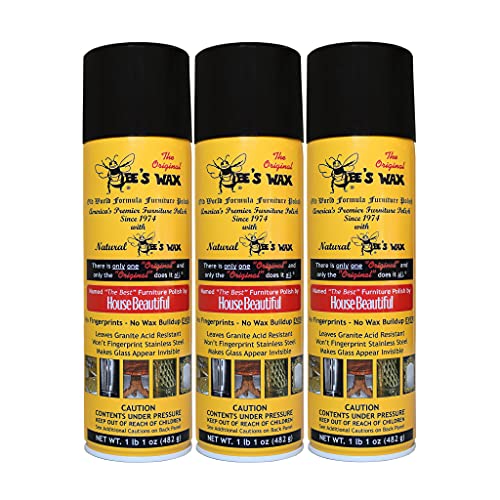
Apply a base coat evenly, ensuring full coverage. Allow this layer to dry completely before proceeding. To create depth, layer a contrasting color lightly on top. For example, if you started with a pale base, consider a deeper shade.
Next, utilize a fine-grit sandpaper to gently distress specific areas, such as edges and corners, to mimic the natural wear of age. The technique should be subtle; focus on high-traffic spots to achieve authenticity. This method gives your piece character and a well-loved appearance.
After distressing, clean the surface thoroughly to remove dust from sanding. Then, consider applying a glaze or a wash to enhance the layered look you’ve created. A diluted dark stain can accentuate crevices and give an authentic patina, elevating the piece’s visual appeal.
Conclude the process by sealing your work with a protective topcoat, such as a matte varnish or wax. This layer will safeguard your finish while preserving the desired aged quality. Allow it to cure fully before usage.
Taking these steps, your heritage-inspired transformations will effortlessly enhance your living space, showcasing the intricate stories of the past. Enjoy the gratifying results of your hard work.
Choosing the Right Type of Paint for Antiquing
Selecting the correct type of coating can significantly influence the outcome of your restoration endeavors. I recommend using acrylic or chalk formulations for their ease of application and quick drying times.
Acrylic options are water-based, providing a smooth finish while allowing for easy clean-up. They are ideal for those who want flexibility in color and finish. Conversely, chalk mixtures create a matte appearance and are excellent for achieving a distressed look.
Consider the following tips to refine your choice:
- Durability: Ensure the applied layer withstands wear over time. Look for options labeled as furniture-grade for added resilience.
- Finish: Decide between matte, satin, or glossy finishes based on your aesthetic preference. Matte tends to conceal imperfections, while glossy reflects light beautifully.
- Color Selection: Select hues that evoke a sense of age. Earthy tones or muted shades work wonders in replicating an antique style.
- Compatibility: If applicable, check that your chosen coating interacts well with any existing finishes. A test patch can prevent unwanted reactions.
Always refer to the manufacturer’s guidelines on application methods and drying times. Staying informed about these details contributes to achieving the desired vintage effect on your project.
Preparing Your Wood Furniture for Painting
Clean the surface thoroughly using a mix of warm water and mild soap. Ensure all dust, grease, and grime are removed for optimal adhesion.
If the piece has a glossy finish, I sand it down lightly using fine-grit sandpaper to promote better paint adhesion. Use a sanding block for flat surfaces to maintain even pressure.
Inspect for any imperfections like scratches or dents. Fill these with a suitable wood filler that matches the shade of the material. After it dries, sand it smooth to create a level surface.
For older items, consider using a primer designed for the specific material. This step can prevent stains from bleeding through and enhance the final appearance.
After prepping, wipe the piece down with a damp cloth to remove any dust particles created during sanding. Let it dry completely before applying any coating. Proper preparation sets the foundation for a stunning finish.
Step-by-Step Guide to Applying Paint for an Antique Finish
Select a high-quality acrylic or chalk mixture for this project. These options lend themselves well to achieving a classic appearance.
Mixing the Color
Blend your chosen hue with a small amount of water if using acrylic. This creates a wash that enhances the grain while allowing the base to peek through. Adjust the ratio based on the desired opacity; a more translucent layer provides a softer look.
Application Techniques
Use a synthetic-bristle brush for smooth application. Dip it lightly in the mixture, then wipe excess paint on a rag. Begin with broad strokes along the surface, then smooth it out in the direction of the grain. Allow each layer to dry completely before applying the next. To encourage wear, you can lightly sand edges and corners after the initial coating dries.
Once the desired depth is achieved, apply a clear finish to protect the surface. An oil-based polyurethane offers durability while maintaining the aesthetic. Allow it to cure completely before use to ensure longevity.
Techniques for Creating a Distressed Look
I find that achieving a timeworn appearance often relies on specific methods that can transform a new surface into something that tells a story. One technique is the sandpaper distressing method. Lightly sanding edges and corners creates a naturally worn effect. I prefer using a medium-grit sandpaper for this, as it effectively wears away the top layer and reveals the underlying material.
Using Glaze for Depth
Applying a glaze can add depth to the finish. I mix a clear glaze with pigments to achieve a subtle hue. After base layering, I brush the glaze on and wipe off excess with a cloth, allowing it to settle into crevices. This enhances the character and gives an aged appearance that looks authentic.
Layering for Authenticity
Layer multiple colors for a richer texture. I find that starting with a base coat of a lighter shade works wonders. Once dry, I add a darker top coat and distress the edges. Experimenting with a softer brush or rag for blending makes the finish even more believable. I often finish with a matte sealer to protect the layers while maintaining a rustic charm.
Sealing and Protecting Your Finished Antique Furniture
Using a clear sealant is crucial after achieving the desired vintage appearance. It will guard against moisture, scratches, and everyday wear. I prefer polyurethane or a natural oil finish for its durability and luster.
Follow these steps for optimal results:
- Ensure the surface is clean and dry before application.
- Choose between water-based or oil-based sealants based on your preference. Water-based dries quickly and is low in odor, while oil-based offers more durability.
- Apply the sealant using a brush or a lint-free cloth. Work in the direction of the grain to avoid streaks.
- Let it dry completely as per the manufacturer’s instructions–usually around 4-6 hours for water-based and longer for oil-based formulas.
- Lightly sand between coats with fine-grit sandpaper to ensure proper adhesion.
- Apply a second coat after sanding, repeating the drying time. More coats can enhance protection.
Consider using a wax finish as an alternative for softer protection and a more natural feel. Here’s how:
- Choose a high-quality furniture wax suitable for your finish.
- Apply a thin layer using a soft cloth, rubbing it into the surface.
- Allow it to cure for 24 hours, then buff to achieve a subtle sheen.
Regular maintenance includes wiping surfaces with a damp cloth and reapplying wax or sealant as needed. Avoid harsh chemicals that can damage the protective layer.
Protective measures ensure the longevity of your vintage pieces while maintaining their charm and character.
Maintaining and Caring for Antique-Finished Furniture
Regular cleaning enhances the charm of your treasured pieces. Use a soft, damp cloth for dusting. Avoid abrasive cleaners, which can damage the finish.
When spills occur, promptly dab the area with a dry cloth instead of rubbing. For sticky residues, a mild solution of water and gentle soap works best. Test any cleaning product on a hidden area first.
Humidity and temperature fluctuations can wreak havoc on these surfaces. Maintain a stable environment, ideally between 60-75°F, and control humidity levels between 30-50% to prevent warping or cracking.
Apply a high-quality wax to sustain the luster of the finish. I recommend doing this every few months. Use a soft cloth to buff the wax, enhancing shine and providing a protective layer.
Inspect for signs of deterioration, such as chipped or worn areas. If necessary, reapply a touch-up finish carefully to maintain continuity in appearance.
| Task | Frequency | Details |
|---|---|---|
| Dusting | Weekly | Soft, damp cloth to remove dirt. |
| Wax Application | Every 3-6 months | High-quality wax; buff to a shine. |
| Inspection for Damage | Monthly | Check for chips or wear; touch up as needed. |
| Spill Management | As Needed | Dab spills; use mild soap solution for residue. |
Store pieces away from direct sunlight, as UV light can fade and deteriorate the finish over time. Use protective coasters or mats under objects to prevent scratching.
Finally, when moving a valuable piece, lift instead of dragging to avoid destabilizing joints and finishes. Proper handling extends the life and beauty of your beloved creations.
FAQ:
What materials do I need to antique wood furniture with paint?
To antique wood furniture with paint, you will typically need acrylic or chalk paint, a clear wax or glaze for finishing, sandpaper or a sanding block, a paintbrush or sponge, and a soft cloth for applying the wax or glaze. Additionally, you might consider using a primer if you’re working with a surface that isn’t already painted or sealed.
How do I prepare my wood furniture before painting it for an antique look?
Preparation is key to achieving a successful antique finish. Begin by cleaning your furniture thoroughly to remove any dust or grease. If the wood has a glossy finish, lightly sand it to create a rough surface for better paint adhesion. If necessary, fill in any dents or scratches with wood filler and allow it to dry completely. Finally, consider applying a coat of primer if you’re working with bare wood or if the surface is very shiny.
Can I use any type of paint to achieve an antique effect on wood furniture?
While you can use various types of paint to create an antique effect, chalk paint and acrylic paint are among the best options. Chalk paint provides a matte finish that can easily be distressed to reveal the wood underneath, while acrylic paint offers a more durable surface. Choosing the right color is also important; muted tones or earthy shades often work best for an antique appearance.
What techniques can I use to create an aged look on my painted furniture?
To create an aged look, consider distressing the painted surface after it’s dried. You can lightly sand edges and corners to reveal the wood beneath or use a wet cloth to wipe away some of the paint in certain areas for a more worn effect. Another technique is to apply a dark glaze over the dried paint, allowing it to settle into the crevices before wiping away the excess. The combination of these methods can simulate years of wear and tear, giving your furniture a beautifully antiqued look.
How do I finish antique wood furniture with paint to ensure durability?
To ensure your antique finish is durable, apply a protective layer after painting. You can use clear wax, which provides a soft sheen and a slight protective barrier, or a polyurethane sealant for a stronger finish. If you opt for wax, allow it to cure for at least 24 hours before using the furniture. If using a sealant, make sure the paint is fully dry, and apply it with a clean brush. Both options will help protect your work from scratches and wear while enhancing the antiqued look.
What are the steps to antique wood furniture with paint?
To antique wood furniture with paint, you can follow these steps: First, clean the furniture thoroughly to remove any dust or grease. Next, apply a coat of primer to help the paint adhere better. Once the primer is dry, choose a base color for your antique finish and apply it evenly. After the base coat dries, use a contrasting color for the top layer. Lightly sand or distress the edges to reveal the base color underneath. Finally, seal your work with a clear topcoat to protect the finish and enhance durability.
Can I use regular paint for antiquing wood furniture, or does it need to be specific paint?
You can use regular latex or acrylic paint for antiquing wood furniture, but using chalk paint or acrylic paints designed for furniture can provide a better finish and ease of distressing. Chalk paint offers a matte finish and is easy to sand down for that vintage look, while traditional paints may require more effort to achieve the same effect. Always make sure to let the paint cure fully before sanding or applying additional layers.


