
 Caleb Turner
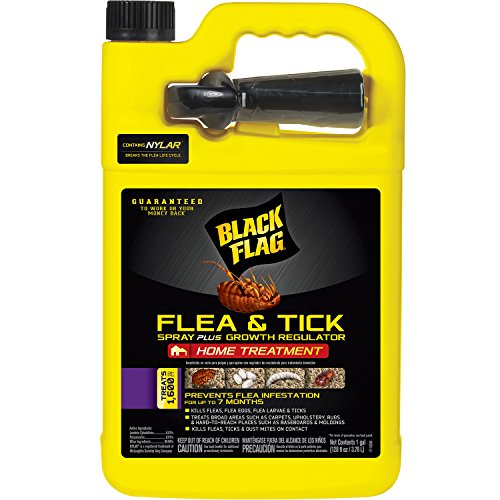
Typically, these small pests can endure up to a week or more on various household items in the absence of a blood source. The exact period varies based on environmental factors such as temperature and humidity levels. Under optimal conditions, they may persist longer than a week, while drier or cooler settings can reduce their lifespan significantly.
It’s essential to maintain a clean living space, as regular vacuuming and thorough cleaning diminish the chances of flea infestation. Items like upholstered furniture or carpets provide a welcoming environment, retaining heat and moisture, which increases their survival time. Investing in protective measures such as professional treatments or safe insecticides can help eliminate any lingering risks.


Understanding their lifecycle can aid in prevention; adult fleas lay numerous eggs, which can hatch into larvae, further complicating management efforts. By addressing both adult individuals and their offspring, I effectively reduce their presence on home surfaces.
Understanding Flea Life Cycle Stages
Eggs, larvae, pupae, and adults represent the four distinct phases in the life cycle of these insects. Each stage has unique characteristics and survival strategies.
Egg Stage
After a female has fed, she lays approximately 20 to 50 eggs per day on the host or in the environment. These eggs are tiny, white, and oval-shaped, falling off pets into carpets, bedding, or other areas. The incubation period lasts from two days to two weeks, depending on environmental conditions such as temperature and humidity.
Larval and Pupae Stages
Upon hatching, larvae emerge and begin to feed on organic debris, including adult flea feces, which contains undigested blood. This stage lasts from one week to several months. When conditions are favorable, larvae will pupate, forming a protective cocoon. The pupal stage can remain dormant for several months, surviving until vibrations, heat, or carbon dioxide indicate a potential host nearby.
| Life Cycle Stage | Duration | Key Characteristics |
|---|---|---|
| Egg | 2-14 days | White, oval, laid in environment |
| Larva | 1 week to several months | Feeds on organic material, molting occurs |
| Pupa | Up to several months | Cocoon formed, dormant until host is detected |
| Adult | Up to 100 days (or longer with access to hosts) | Feeding on blood, capable of reproduction |
Being aware of this cycle is key to effectively manage and eliminate these pests from living spaces. Regular cleaning, vacuuming, and targeted treatments during all stages can significantly reduce their population.
Average Lifespan of Adult Fleas Without a Host
Typically, adult insects survive up to two weeks to a month in the absence of a blood meal. Factors such as environmental conditions greatly influence this duration; higher humidity and cooler temperatures can extend their lifespan. Under optimal circumstances, some may endure even longer, but generally, this survival is limited.
In the absence of a nutrient source, these creatures enter a state of dormancy, conserving energy. While they can remain inactive, the likelihood of re-emergence to secure a meal diminishes over time. Effective pest control requires an understanding of their resilience, as even a brief survival period can lead to an infestation if conditions become favorable.
Monitoring areas where pets often rest or where previous infestations have occurred is crucial. Regular cleaning and treatment of these spaces help in minimizing any potential resurgence of the population.
Endeavor to maintain cleanliness and consider professional treatments if signs of infestation or their eggs appear. These measures effectively reduce chances of encountering the problem again, ensuring a comfortable living environment.
Factors Influencing Survival on Various Surfaces
Humidity plays a significant role; higher moisture levels extend the duration of these pests in their dormant state. Keeping the environment dry can drastically reduce their chances of survival. Similarly, temperature affects resilience. Warmer conditions may accelerate development stages, while colder climates often lead to quicker termination of life processes.
Material Composition
The type of surface where these parasites rest matters. Textiles, carpets, and upholstered items provide more favorable habitats due to their fibrous nature, allowing for better retention of moisture and heat. In contrast, hard surfaces such as wood or tile lead to quicker desiccation and unfavorable conditions for these insects.
Presence of Organic Matter
Organic residues like pet hair or skin flakes can contribute to nourishment, thus prolonging survival. Regular cleaning of these organic materials diminishes available resources, further inhibiting their persistence. Implementing a thorough cleaning routine can be a powerful strategy for reducing their lifespan in the environment.
Signs of Flea Infestation in Your Home
If I notice small, reddish-brown insects jumping around on surfaces, it’s an immediate signal of a pest problem. These tiny creatures are often about 1/8 inch long and can be easily overlooked. Their quick, agile movements make them challenging to spot, but vigilance pays off.
Presence of flea droppings, resembling tiny black specks, on pet bedding or upholstery is another indicator. When I find these particles, they typically indicate an existing issue. Wetting them with a drop of water can reveal a reddish stain, confirming their association with blood meals.
Frequent scratching or biting by pets is a telltale sign. If my cat or dog constantly licks or scratches, it’s crucial to examine their fur closely. Finding live pests or eggs in their coat is a clear warning that action is necessary.
Unexpected bite marks on my skin–often warm, itchy, and clustered–suggest that I might also be a target for these pests. I pay attention especially if the bites appear on my ankles or lower legs, as these are common areas for attacks.
A distinctive, musty smell in certain areas of my home can also signal an infestation. This odor is often a result of flea waste and remains a discreet but noticeable clue.
Regularly inspecting places where pets rest or frequent has become a habit. Deep cleaning these areas and observing whether any signs arise can help me stay one step ahead. Timely detection of the problem allows for swift remediation.
Best Practices for Eliminating Fleas from Furniture
I recommend vacuuming upholstery and fabrics thoroughly. Utilize a vacuum cleaner equipped with a HEPA filter to capture tiny particles, including flea eggs and larvae. Pay attention to crevices and seams where these pests may hide.
After vacuuming, dispose of the vacuum bag or empty the canister outside your home to prevent any re-infestation. Sealing the bag is crucial to containing any potentially emerging insects.
Next, treat your textiles with a suitable insecticide specifically designed for indoor use. Ensure the product targets the life cycle stages of these parasites. Follow the manufacturer’s instructions meticulously for optimal safety and effectiveness.
A steam cleaner can be beneficial as high temperatures kill eggs, larvae, and adults. Aim for a temperature above 130°F to ensure all life forms are eradicated. Focus on areas where pets frequent or where you’ve noticed signs of activity.
Frequent washing of removable covers, cushions, and blankets is key. Use the hottest water setting available, as it effectively eliminates any residual eggs or insects.
Consider using diatomaceous earth as a natural deterrent. Sprinkle it on furniture and leave it for at least 24 hours for maximum impact. Vacuum it up afterward to remove debris and any trapped insects.
Regularly inspect your pets and their belongings for signs of these unwanted visitors. Implementing preventive measures, such as using topical treatments on pets, will minimize future occurrences.
A systematic approach combining these recommendations can significantly reduce and eliminate the problem efficiently.
Preventative Measures to Reduce Flea Presence
Vacuuming regularly is crucial. I typically vacuum carpets, rugs, and upholstery at least once a week to eliminate eggs and larvae. Make sure to dispose of the vacuum bag or empty the canister outside immediately after cleaning.
Declutter Areas
Minimizing clutter helps reduce hiding spots. I often remove unnecessary items from floors and furniture, as these can harbor insects.
Wash Fabrics Frequently
Washing pet bedding, blankets, and any removable upholstery in hot water at least once a week is another key step. This practice helps kill any life stages present.
- Use a dryer on high heat after washing to ensure any remaining pests are eliminated.
- For fabrics that cannot be washed, consider using a steam cleaner to treat them.
Outdoor measures are equally important. I keep my lawn trimmed and clear of debris where these critters might thrive. Also, if pets spend time outdoors, regularly treating them with veterinarian-recommended products can prevent infestations getting into the home.
Being proactive and monitoring pets for signs of these invaders can be beneficial. I conduct regular checks and baths, which not only keeps them clean but also helps with early detection.
- Consult a veterinarian for tailored treatments.
- Consider using flea repellents or collars as a preventive measure.
Choosing the right cleaning products is essential. I make it a point to use safe, effective insecticides in areas where infestations are more likely to occur. Always following the manufacturer’s instructions for proper use ensures safety.
Maintaining these practices consistently helps create an environment less conducive to these tiny nuisances and can greatly reduce their prevalence in my surroundings.


