
 Caleb Turner
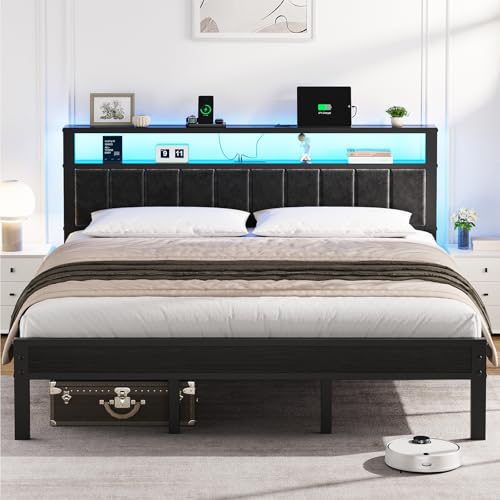
The correct term for household items in Spanish is muebles. This word encompasses various pieces used to furnish living spaces, including chairs, tables, and cabinets.
Recognizing the different types of muebles can enhance conversation and comprehension. For instance, “silla” refers to a chair, while “mesa” denotes a table. Incorporating these terms enriches vocabulary and facilitates smoother communication regarding home decor.
Utilizing resources like language apps or practice with native speakers can greatly aid in mastering this terminology. Engaging with content related to interior design in Spanish also provides context and practical usage of the term.


Translation Insights: Items for Home and Office
In Spanish, the term for items that furnish spaces is “muebles.” This word encompasses various categories, ranging from seating to storage solutions.
Common Vocabulary
- Sofa – Sofá
- Chair – Silla
- Table – Mesa
- Bed – Cama
- Cabinet – Gabinete
- Dresser – Cómoda
Usage Tips
When discussing furnishings, adjectives often play a role. For example:
- Modern sofa – Sofá moderno
- Wooden table – Mesa de madera
- Comfortable chair – Silla cómoda
Pay attention to gender and number: “mueble” is singular and masculine, while “muebles” is the plural form. Use correct agreements when pairing with adjectives.
Common Spanish Terms for Furniture
Here are some key words related to home items that are useful to know:
Sofa translates to Sofá. It’s essential for any living room setup.
Chair is referred to as Silla. Whether for dining or lounging, this term comes in handy.
Table translates to Mesa, a central piece for dining areas or offices.
Bed is known as Cama. Comfort during sleep is paramount.
Cabinet can be translated to Gabinete or Armario, depending on the context.
Desk is referred to as Escritorio. An essential for study or workspaces.
Drawer translates to Cajón. Useful for organizing items.
Shelf is called Estante. Perfect for storage and display.
Familiarity with these terms will enhance communication and understanding in various contexts involving household items. This vocabulary forms a foundation for further exploration of interior design discussions or shopping experiences.
Understanding Gender and Articles
In the Spanish language, every noun is categorized as either masculine or feminine. This classification affects the articles and adjectives associated with those nouns. Effective communication requires familiarity with these gender rules.
Grammatical Gender and Articles
Masculine nouns generally use the article “el,” while feminine nouns employ “la.” Recognizing the gender of a word often requires memorization, although some patterns exist. For instance, nouns ending in “-o” are typically masculine, while those ending in “-a” are usually feminine. Exceptions are common, so memorization is key.
| Article | Masculine Example | Feminine Example |
|---|---|---|
| el | el libro (the book) | la casa (the house) |
| un | un perro (a dog) | una gata (a cat) |
Practical Tips for Mastering Gender
To enhance proficiency in identifying grammatical gender, consider associating nouns with their corresponding articles during practice. Flashcards can facilitate memorization. Frequent exposure to spoken and written forms of the language reinforces understanding and retention. Engaging with native speakers and consuming media in Spanish can further solidify this knowledge.
Furniture Vocabulary for Different Rooms
In the living room, key terms include sofá (sofa), sillón (armchair), and mesa de café (coffee table). For the dining area, focus on mesa (table), sillas (chairs), and aparador (sideboard).
For bedrooms, it’s essential to know cama (bed), mesita de noche (nightstand), and armario (wardrobe). In kitchens, key vocabulary consists of mesa de cocina (kitchen table), taburete (stool), and gabinete (cabinet).
Outdoor Space Essentials
For patios or balconies, look for muebles de jardín (garden furniture), sombrilla (umbrella), and sillones reclinables (recliners). Knowing these words makes it easier to discuss home design and enhance conversations about living spaces.
Office Vocabulary
In a workspace, important terms include escritorio (desk), silla de oficina (office chair), and estantería (shelf). Familiarity with these words aids in effective communication regarding office arrangements.
Common Phrases Using Furniture Vocabulary
In conversations regarding home decor, familiarity with specific phrases enhances communication. Here are some practical expressions incorporating terms related to household items:
- ¿Dónde está el sofá? – “Where is the couch?”
- Me gusta esta mesa de comedor. – “I like this dining table.”
- ¿Puedes ayudarme a mover la silla? – “Can you help me move the chair?”
- El armario es muy grande. – “The wardrobe is very big.”
- Necesito una lámpara nueva. – “I need a new lamp.”
Including adjectives can enrich these expressions:
- El sofá gris es muy cómodo. – “The gray couch is very comfortable.”
- La mesa de café es de madera. – “The coffee table is made of wood.”
Discussing preferences can also shine a light on choices:
- Prefiero un sillón reclinable. – “I prefer a recliner.”
- Me encantan los muebles de estilo moderno. – “I love modern style furnishings.”
Inquire about features for better understanding:
- ¿Qué color tiene la lámpara? – “What color is the lamp?”
- ¿Es esta cama king size? – “Is this a king-size bed?”
Using these phrases will significantly improve conversations about general home décor and selections. Mastery of these terms elevates discussions and promotes clear understanding.
Regional Variations in Furniture Terms
In various Spanish-speaking regions, the terminology for household items can differ significantly. In Mexico, “silla” refers to a chair, while in some parts of South America, the same item may sometimes be called “butaca,” particularly for larger, more comfortable seating. These distinctions highlight the importance of understanding local dialects.
The concept of a “cama” (bed) may also vary; in Spain, it is often simply referred to as “cama,” whereas in parts of Central America, specific types such as “litera” (bunk bed) might be more commonly used.
Table types illustrate another interesting variation. While “mesa” is universally recognized, more specific terms emerge depending on the context. For example, “mesa de comedor” is frequently used in dining contexts in Argentina, whereas “mesa auxiliar” might be favored in everyday conversations in Colombia for side tables.
Additionally, certain regions have created unique terms for specific pieces. In the Caribbean, “mueble” is a prevalent term encompassing various types of items, while in Spain, distinctions may be made with terms like “mueble de salón” specifically referring to furniture for the living room.
For anyone exploring the Spanish lexicon around household items, being aware of these regional nuances can enhance communication and cultural understanding. Familiarizing oneself with local terms can lead to more meaningful interactions and a deeper appreciation of the language.
Tips for Memorizing Vocabulary Related to Household Items
Create Flashcards: I design flashcards with images on one side and the corresponding terms on the other. This visual method enhances retention.
Group by Room: Organizing vocabulary by specific areas like the living room, kitchen, or bedroom aids in recalling terms associated with a particular environment.
Use Mnemonics:
Developing creative associations for each term significantly boosts memory. For instance, associating “silla” (chair) with “silly” helps quick recall.
Practice with Real-Life Scenarios:
Incorporating terms into daily conversations or writing scenarios that include each item reinforces learning. Describing a room and mentioning its contents solidifies the vocabulary in my mind.
Engage with Media: Watching movies or series in the target language, while focusing on scenes featuring household items, is beneficial. Noting how the terms are used contextually enhances understanding.
Regular Review: I establish a routine for reviewing previously learned vocabulary. Frequent interaction with the material ensures it remains fresh and accessible.
Labeling Objects: I label items around my home with their corresponding terms. This constant exposure reinforces my knowledge and makes the learning process immersive.
Useful Online Resources for Learning Furniture Terms
For acquiring vocabulary related to home decor in another language, I recommend using Duolingo. It’s engaging and provides specific examples relevant to daily life.
Memrise offers flashcards that help reinforce memory retention of terms associated with home furnishings. The spaced repetition system is particularly useful for long-term learning.
The website Quizlet has numerous user-generated sets focused on items found in households. I often utilize their games for quick recall and practice.
YouTube has channels dedicated to language instruction, featuring videos specifically about living space vocab. Watching these can enhance comprehension through context and visuals.
Online dictionaries like WordReference not only offer translations but also include pronunciation guides, which aid in correct articulation of specific terms.
An additional resource is the app Anki, which allows creating personalized flashcards to target specific vocabulary areas, including home-related lexicon.
Joining language exchange platforms can provide real-life practice with native speakers. Engaging in conversations about interior design or home organization can reinforce terms effectively.
Lastly, Pinterest can inspire and introduce various decor styles while simultaneously allowing exploration of vocabulary through image labeling.
Pronunciation Guide for Spanish Furniture Words
Focusing on clear articulation can significantly enhance communication regarding household items. Here are some tips to master the pronunciation of key terms related to these objects.
Common Pronunciations
For simple descriptors like “mesa” (table), emphasize the first syllable: MEH-sah. The “e” is pronounced like the “e” in “met.” In contrast, “silla” (chair) is pronounced as SEE-yah, where the double “l” creates a “y” sound similar to “yes.” Practicing these sounds can help in everyday conversation.
Phonetic Examples
For “cama” (bed), articulate as KAH-mah, with a short “a” sound. The word “sofá” (sofa) is pronounced so-FAH, stressing the last syllable. When saying “escritorio” (desk), use es-kree-TOH-ree-oh, ensuring clarity in each syllable. Listening to native speakers can reinforce proper intonation and rhythm.
Recording yourself and comparing with pronunciation guides can also be beneficial. It allows for immediate feedback, crucial for improvement.
Finally, frequent practice with these terms in context will aid retention and increase confidence in conversations about living spaces.
Practice Exercises for Furniture Vocabulary
To enhance vocabulary related to household items, I created targeted exercises that focus on recognition and application. Begin by labeling furniture pieces around your space. Use sticky notes to write terms, ensuring daily exposure.
Flashcards are effective for memorization. On one side, place an image or term in English; on the opposite side, include the equivalent word in Spanish. Regularly shuffle and test yourself to reinforce memory.
Engagement through practical contexts is beneficial. Describe your ideal living room or bedroom in Spanish, incorporating various items. For example, “En mi habitación hay una cama, una lámpara, y un armario.” This strengthens sentence structure while using the subject matter.
Create matching exercises by pairing images of items with their Spanish names. Online resources or printed materials work well for this purpose. Set a timer to challenge your recall speed.
Incorporate listening activities by watching Spanish-language home improvement shows or videos. Jot down terms you recognize and verify their meanings afterward.
Lastly, consistent practice is key. Dedicate a few minutes each day for vocabulary review. This steady approach will reinforce retention and boost confidence in conversational skills regarding household items.
FAQ:
What is the Spanish word for ‘furniture’?
The Spanish word for ‘furniture’ is ‘muebles’. This term is used broadly to describe various types of furniture items, including chairs, tables, sofas, and cabinets. It’s a plural noun, so when you refer to furniture in general, you would use ‘los muebles’.
Are there different words for specific types of furniture in Spanish?
Yes, in Spanish, there are specific terms for different types of furniture. For example, ‘silla’ means ‘chair’, ‘mesa’ refers to ‘table’, ‘sofá’ translates to ‘sofa’, and ‘cama’ means ‘bed’. Each of these words helps to describe the particular type of furniture you are talking about. Even though ‘muebles’ refers to furniture as a whole, knowing these specific terms can be very helpful for more detailed conversations.
How do you use the word ‘muebles’ in a sentence?
You can use ‘muebles’ in various contexts. For example, you might say, “Necesitamos comprar nuevos muebles para la sala de estar,” which translates to “We need to buy new furniture for the living room.” Another example could be, “Los muebles en esta casa son muy modernos,” meaning “The furniture in this house is very modern.” By understanding how to incorporate ‘muebles’ into sentences, you can effectively communicate about furniture in Spanish.
Is learning furniture vocabulary in Spanish useful for travel?
Absolutely! Knowing furniture vocabulary is quite useful, especially if you’re traveling and need to discuss accommodations or rental properties. If you’re staying at a hotel or renting an apartment, being able to articulate preferences regarding furniture can enhance your experience. For instance, asking if a place has a ‘cama cómoda’ (comfortable bed) or a ‘silla cómoda’ (comfortable chair) can help ensure a more pleasant stay. Understanding this vocabulary can significantly improve communication in various situations related to housing and comfort.


