
 Caleb Turner
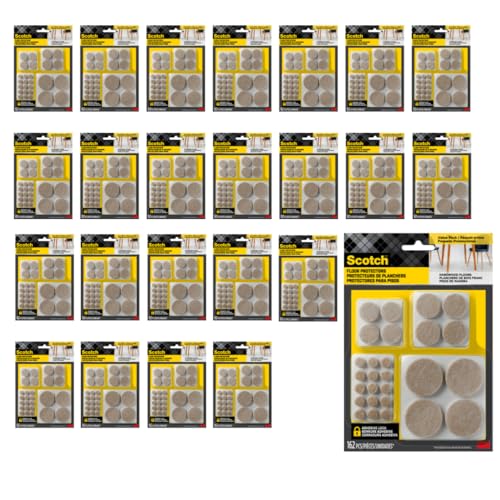
The simplest and most effective method involves utilizing felt pads under the legs of tables and chairs. These pads significantly reduce friction between the surfaces and prevent scratches during movement. They are widely available in various sizes and shapes, ensuring a perfect fit for any piece of furniture.
Regularly rearranging the layout can also minimize wear patterns. By changing the positioning of furniture, areas subjected to pressure are altered, helping to maintain the integrity of the timber. This practice not only protects the material but also refreshes the aesthetic appeal of a room.
Consider investing in area rugs as an additional layer of defense. Placing rugs in high-traffic zones acts as a cushion, absorbing impacts and shielding the wood beneath. Opt for non-slip padding to ensure safety and further stability.
Lastly, maintaining proper humidity levels in the environment is crucial. A dehumidifier can help control moisture, reducing the risk of warping over time. Keeping the space consistent helps preserve the natural beauty and longevity of the timber.
Understanding the Impact of Furniture on Hardwood Surfaces
Furniture placement can directly affect the integrity and appearance of wooden surfaces, leading to scratches, dents, and discoloration. A few strategies are vital for minimizing these risks.

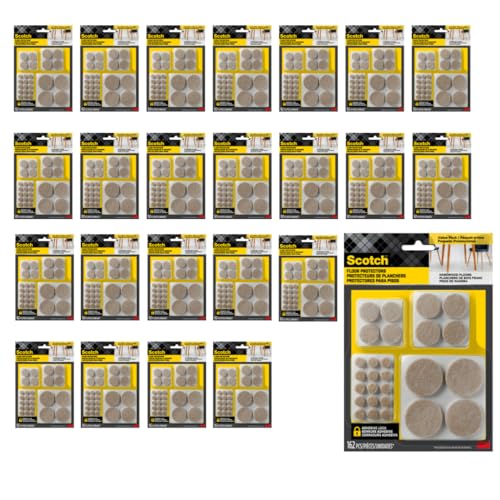

- Utilize felt pads or rubber stoppers beneath legs. These materials act as a barrier, significantly reducing friction and preventing damage during movement.
- Regularly rearranging seating and tables can distribute pressure evenly, preventing permanent indentation.
- Incorporate area rugs in high-traffic zones, offering additional cushioning and protecting the underlying surface from wear over time.
- When moving heavy items, lift rather than drag them to prevent surface scratches and dents.
Understanding the weight and structure of furniture also informs appropriate care. Heavier pieces exert more pressure, making protective measures crucial.
- Consider weight distribution. Spread out heavy items to avoid concentrated pressure points.
- Regularly inspect and maintain pads, replacing any that are worn out to ensure ongoing protection.
Awareness of environmental factors can further aid in preserving the beauty of wooden surfaces. Keeping humidity levels stable prevents warping and minimizes expansion and contraction of the wood.
Invest time in choosing the right leg attachments and verifying their condition to maintain the quality and aesthetics of the wooden surface.
Selecting the Right Furniture Pads and Protectors
Choosing the appropriate furniture pads is crucial for safeguarding surfaces. Opt for felt pads with adhesive backing for easy application. These pads effectively reduce sliding and scratching.
Consider the weight and size of furniture pieces. For heavier items, select thicker pads to distribute weight evenly. Rubber pads offer excellent grip, especially on chair legs, minimizing movement and damage.
For items that are frequently moved, transparent polyurethane protectors create a buffer while remaining inconspicuous. They prevent scratches without altering aesthetics.
Regularly inspecting and replacing worn pads ensures continued protection. Dust and debris can degrade the effectiveness of pads, so keeping them clean is key.
Additionally, exploring furniture glides can be beneficial, especially for larger furniture. These allow for easy repositioning while providing consistent surface protection.
Prioritize products made for specific surface types to guarantee compatibility. Some pads are better suited for textured surfaces, while others cater to smooth finishes. Choosing wisely safeguards against potential damage.
Strategies for Reorganizing Furniture Placement
Evaluate furniture arrangement carefully. Position heavier pieces in areas where traffic is minimal to reduce wear. Distribute weight evenly across surfaces to minimize concentrated pressure points, preventing indentations.
Keep in mind the balance of sections within the space. Arrange items symmetrically to provide visual stability while avoiding excessive strain on any single area. This can mitigate potential damage over time.
Use rugs or mats to define zones and shield the surface beneath. Choosing appropriate sizes ensures that furniture placement isolates it from direct contact with the wooden base.
Incorporate adaptivity into the layout by utilizing modular furniture. This flexibility allows for quick reconfiguration, promoting even exposure across various sections as the layout changes.
Regularly rotate and shift smaller items periodically. This practice prevents permanent impressions and preserves the quality of the polished surface beneath.
Engage in periodic assessments of the arrangement. Small adjustments based on usage patterns can extend the longevity and appearance of the wooden platform.
Regular Maintenance: Cleaning and Caring for Surfaces
Routine cleaning is crucial for preserving the condition of wood surfaces. Utilize a microfiber mop or cloth for regular dusting, ensuring that dust and debris don’t scratch the surface. For deeper cleansing, opt for a pH-balanced cleaner specifically formulated for wooden surfaces. Avoid harsh chemicals that can damage the finish.
Spot Cleaning and Immediate Action
Address spills and stains immediately. Blot the area with a soft cloth, avoiding excessive moisture. A mixture of vinegar and water can help remove stubborn spots; however, it should be used sparingly to prevent any long-term damage.
Routine Care and Protective Measures
Apply a protective coating, such as wax or a sealant, every 3-6 months based on foot traffic. Inspect furniture pads regularly to ensure they remain intact. Replace them if they show signs of wear. Keep the humidity level in your living space between 30-50% to avoid warping or cracking, especially during seasonal changes.
Lastly, rearranging furniture periodically can also alleviate uneven pressure points, ensuring uniform wear on the surface. Regular care will extend the life of the finish and maintain the beauty of wooden surfaces.
Using Area Rugs to Shield High-Traffic Zones
Incorporating area rugs in frequently used spaces significantly minimizes wear and tear on surfaces. Select durable materials that can withstand foot traffic and provide a cushioning effect.
- Opt for rugs made from synthetic fibers like nylon or polyester for enhanced durability and stain resistance.
- Choose appropriate sizes that cover ample ground areas, especially beneath dining tables and seating arrangements.
- Look for nonslip backing to prevent movement and reduce the risk of accidents while walking.
Regular cleaning of rugs will maintain their appearance and extend their life. Vacuum weekly to eliminate dirt and debris, and consider professional cleaning once or twice a year to address deeper stains and refresh fibers.
Layering rugs can create additional protection. This technique allows the use of a less expensive rug underneath a more decorative piece, further safeguarding against scratches.
Position rugs strategically in entryways or hallways, as these areas typically endure the most wear, providing an effective barrier against scuffs and markings.
Choosing the right designs contributes to an aesthetic appeal while serving a functional purpose. Patterns can help conceal minor imperfections and dirt.
Ultimately, integrating area rugs serves a dual purpose of elevating decor while offering a proactive solution for maintaining pristine conditions in high-impact areas.
DIY Solutions for Custom Furniture Feet
Consider crafting custom feet for your seating and tables using PVC caps. These can be cut and painted to match existing decor while providing a cushioned barrier that minimizes damage to the surface beneath.
Wooden blocks or scrap pieces can also be transformed into sturdy legs. Sand them down to smooth edges, and apply a sealant for added durability and aesthetic appeal.
Cork pads can be attached to the bottom of any furniture item, offering a soft yet durable option that reduces scratches and scuffs. They can easily be cut to size and stuck on with a strong adhesive.
If mobility is a concern, wheels can be added to the bases of heavier items. Using rubber-coated wheels will not only ease movement but also lessen impact on underlying surfaces.
For a more eco-friendly approach, fabric threads or felt can be sewn onto existing feet. This provides a soft layer that absorbs shock and prevents marks. Regularly check and replace them as needed to maintain efficiency.
Utilizing old tennis balls by cutting a slit and placing them on the feet serves as another simple yet effective method. They provide cushioning and allow easy movement across surfaces.
Long-term Considerations for Floor Longevity
Regularly monitoring the condition of wooden surfaces is crucial for maintaining their beauty over the years. Assessing the impact of wear and tear, as well as changes in humidity and temperature, ensures early detection of potential issues.
Using climate control systems can significantly reduce environmental fluctuations, which are detrimental to timber integrity. Installing humidifiers or dehumidifiers aids in maintaining a stable moisture level, crucial for preventing warping or cracking.
Opting for a maintenance routine that includes periodic refinishing extends the life of each plank. This process not only rejuvenates the surface but also acts as a protective barrier against daily use and accidental spills.
Being mindful of cleaning agents is essential. Many commercial products contain harsh chemicals that can damage the topcoat of any installed species. Utilizing pH-balanced cleaners or natural alternatives helps preserve the finish.
| Cleaning Method | Benefits |
|---|---|
| pH-Balanced Cleaners | Gentle on finishes, prevents stripping protective layers. |
| Vinegar and Water Mixture | Natural option, effectively removes dirt without harsh chemicals. |
Choosing the right finish is significant for ongoing endurance as well. Oil-based finishes offer durability and a warm appearance, while water-based options dry faster and emit fewer odors. Each choice presents different maintenance needs and lifespan.
Implementing a protective regimen assists in prolonging life. Regular check-ups can identify minor scratches or dents early, making repair easier and less costly. A proactive approach significantly enhances the long-term outlook of any wood installation.


