Caleb Turner
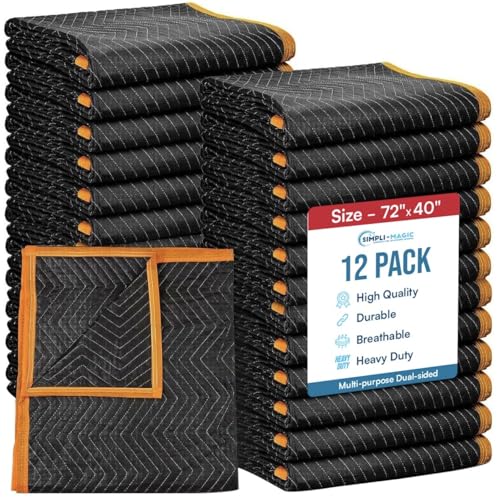
Consider using a freight service specifically designed for large items. I have found that many companies offer tailored options for transporting oversized goods, ensuring safety and proper handling. Researching various carriers will help identify the best fit for your needs, as some specialize in residential deliveries while others may focus on commercial shipments.
Ensure that you measure each piece carefully before arranging transport. Inaccurate dimensions can lead to significant complications during transit and delivery. Packaging is equally vital; using high-quality materials can prevent damage. Wrapping items in bubble wrap and securing them in sturdy boxes is a practice I recommend every time.
Investigating insurance options can provide peace of mind. While some carriers include basic coverage, considering additional insurance may be wise, especially for high-value items. Detailed inventory lists and photographs of your belongings before departure can aid in case of disputes during delivery.


Choosing the right time for transportation can save costs. Off-peak periods often yield better rates and availability. Planning ahead and booking in advance enhances the likelihood of securing ideal arrangements. Connecting with the customer service team of your chosen transport provider can also clarify any concerns or additional requirements during the process.
Shipping Large Items Nationally
I recommend assessing your options thoroughly before proceeding. Choosing a reliable service with experience in transporting bulky goods is essential. Here are some steps I follow:
- Measure Dimensions: Document the size and weight of each piece. This aids in getting accurate quotes from transport companies.
- Protective Materials: Use bubble wrap, moving blankets, and packing tape to safeguard items from damage during transit.
- Transportation Method: Decide between freight shipping, a moving company, or using a rental truck based on your budget and the item’s size.
- Insurance: Always opt for insurance coverage to protect against potential loss or damage while in transit.
- Flexible Scheduling: If possible, select a shipping window that allows for greater flexibility. This can result in lower costs.
Once I’ve chosen a service provider, I schedule a pickup. Clear communication with the carrier about pickup and delivery locations is crucial to ensure a smooth process.
Finally, I inspect the items upon arrival to verify that they are in the same condition as before transport. Taking pictures can serve as proof if any disputes arise.
Choosing the Right Shipping Method for Furniture
Evaluate your options before deciding on a transport solution. For large pieces, full-service movers provide professionals who handle lifting, packing, and loading, minimizing stress and the risk of damage.
Considerations for Selecting a Carrier
Research carriers specializing in heavy items. Look for reviews and ratings. Inquire about insurance policies to protect your items during transit. Additionally, confirm if they offer tracking so you can monitor your items’ location throughout the process.
Cost Factors to Keep in Mind
Compare estimates from different services. Costs typically hinge on size, weight, distance, and any extra services chosen. Getting multiple quotes allows you to find a balance between quality and budget.
Preparing Your Furniture for Long-Distance Transport
I recommend disassembling larger pieces whenever possible, such as bed frames and dining tables. Keep all screws and smaller components in labeled bags to prevent loss.
Wrap each item in moving blankets or bubble wrap to guard against scratches and dents. Secure the protective layers with packing tape, ensuring they remain intact during transit.
For glass surfaces and mirrors, use foam corner protectors and sturdy cardboard to shield against impacts. It’s wise to place them upright in the transport vehicle to minimize the risk of breakage.
Label each package with its contents and the room it belongs to in your new location. This makes unloading simpler and ensures items are placed correctly.
If you have delicate pieces, consider adding extra cushioning, such as packing peanuts, to absorb shocks. For antiques or valuable items, professional crating services may provide enhanced security.
Ensure that nothing is overpacked. All items should fit snugly without excessive pressure that could lead to damage. Checking the load capacity of the transport method helps maintain safety during the trip.
Finally, take photos of your belongings before departure. This can serve as documentation should any issues arise during transport.
Understanding Shipping Costs and Quotes
To accurately gauge transportation expenses, I always gather quotes from multiple providers. This allows for comparison and helps identify the most cost-effective solution. Typically, costs will depend on factors such as the size and weight of the items, distance to the destination, and selected transport method.
It’s vital to consider additional charges that might be included in the quotes. These could range from packing fees, specialized handling, loading and unloading services, to potential insurance costs for valuable items. I make sure to ask each company for a detailed breakdown to avoid unexpected fees later.
Furthermore, being aware of peak seasons can influence rates. For instance, busy periods like summer or holidays may result in increased costs. I’ve often found that booking services well in advance can result in substantial savings.
The dimensions and weight of the items also play a crucial role in determining the price. I weigh and measure everything accurately to ensure quotes reflect actual conditions. Sometimes, opting for a less conventional size may reduce costs significantly.
Lastly, many services provide online calculators to estimate potential costs. I utilize these tools for a preliminary understanding before engaging with providers. This step has proven useful in budgeting effectively and selecting appropriate transportation options.
Selecting a Reliable Moving Company
I recommend checking for a valid license and insurance as a primary step in finding a trustworthy mover. The Federal Motor Carrier Safety Administration (FMCSA) provides a database where you can confirm the legitimacy of moving companies. Ensure that any selected entity has a U.S. Department of Transportation (DOT) number registered properly.
Read reviews on various platforms like Google, Yelp, and the Better Business Bureau (BBB). These insights help in understanding the experiences of previous clients regarding their services. Pay attention to recurring themes in feedback, whether positive or negative, as they can reveal important aspects of their operations.
Compare Estimates
Solicit quotes from multiple movers. A reputable firm will generally provide a free, non-binding estimate based on a thorough inspection of your items. Be wary of estimates that seem unusually low; they may indicate hidden fees that are revealed later in the process. Review each item included in the quotation to ensure everything is accounted for.
Inquire About Experience
Experience is paramount. Reach out to potential companies and ask about their track record with transporting large items. A moving team with significant experience will possess the skills necessary for secure handling and proper loading techniques, reducing the risk of damage during transit.
Ask specifically about their policies on delay and damage. Understanding how such situations are handled in advance can save you considerable stress. Finally, ensure there’s a clear line of communication for any questions that may arise during the moving period.
Tracking Your Shipment and Expected Delivery Times
To stay informed about your items during transport, utilize the tracking system provided by the chosen logistics service. Most companies offer online tracking tools that allow you to monitor the real-time status of your package, providing peace of mind.
Here are some steps to make the most of shipment tracking:
- Obtain your tracking number at the time of booking. This unique identifier is crucial for following your delivery.
- Visit the carrier’s website or download their mobile app. Enter the tracking number to access detailed information about your shipment.
- Check for updates regularly. Carriers often provide notifications for important events such as departure, arrival at hubs, and anticipated delivery times.
Additionally, be aware of potential delivery timelines. Most carriers provide an estimated arrival window, which can vary significantly based on distance and weather conditions:
- Local deliveries might take 1 to 3 days.
- Regional transfers typically require 3 to 7 days.
- Long-distance deliveries can span from 7 to 14 days or longer.
Some factors that might affect delivery schedules include:
- Traffic conditions.
- Weather disruptions.
- Demand spikes during peak seasons.
If there are delays or unexpected changes in the timeline, promptly contact the logistics provider for clarifications and updates to ensure transparency. Always keep the lines of communication open to address any potential issues that may arise during the process.
Handling Insurance for Your Furniture During Transit
Opt for coverage through your moving company or an independent insurer. Compare policies to ensure comprehensive protection against potential damage or loss. Review your existing home insurance policy; it may provide some level of coverage for belongings during transportation.
Document all items thoroughly. Take high-quality photos before packing. Create an inventory list detailing each piece, including its condition. This information will be essential in case of a claim.
Understand the types of insurance available:
| Insurance Type | Description |
|---|---|
| Basic Liability | Covers only a limited amount based on weight; not sufficient for valuable items. |
| Declared Value | Allows you to declare a specific value for your items; provides better protection. |
| Full Coverage | Offers comprehensive protection against any damage or loss, usually at a higher cost. |
Verify the policy details, including deductibles and claim processes. Ask about timeframes for claims processing to avoid delays. Keep in close contact with your insurer throughout the transit period to monitor status and report any issues immediately.
Consider additional protections, such as custom crates or specialized packing solutions for fragile items. Investing in these measures may minimize the risk of damage and enhance your overall peace of mind.
What to Do Upon Arrival: Unpacking and Assembling
Begin unpacking immediately upon delivery. This keeps your new space organized and allows you to identify any damages or missing items quickly. Start with the most essential components needed for your daily life.
1. Inspect Each Item
Carefully check each piece for any signs of damage. Take photos for documentation if you notice anything amiss. This will be helpful for claims if you purchased coverage for potential transit issues.
2. Gather Tools for Assembly
Secure necessary tools before starting assembly. Typically, you might need a screwdriver, wrench, or Allen key. Having these at hand prevents delays and streamlines the process.
Assemble larger items first, as they usually require more space and time. Follow the assembly instructions closely, and if you encounter difficulties, consider finding instructional videos online.
After completing your setup, take time to arrange your layout. Keep flow and functionality in mind, ensuring each piece serves its intended purpose in the space.
Once everything is in place, it’s wise to check for stability and comfort. If something feels off, don’t hesitate to make adjustments to enhance your experience in your newly arranged environment.
Finally, responsibly dispose of packaging materials. This keeps your new area tidy and shows respect for the environment.