
 Caleb Turner
Begin with a vacuum cleaner equipped with a soft brush attachment to remove dust and debris. This method ensures that dirt doesn’t become embedded in the fabric fibers, making the next steps more effective.
For deeper stains, prepare a mixture of mild soap and water. Dampen a clean cloth with the solution and gently blot the affected area, avoiding excessive moisture. This prevents the fabric from becoming overly wet, which can lead to mold or mildew.
Consider using a stain remover specifically designed for delicate materials if soap and water fail. Always test any cleaning product on a hidden area to ensure it does not discolor or damage the fabric.


Once the stain is treated, refresh the appearance with a microfiber-specific brush or cloth. This will restore the texture and fluffiness of the material, providing a clean and maintained look.
Understanding Microfiber Material Properties
Choosing an appropriate cleaner for this fabric relies heavily on its structure. Made from synthetic fibers, this material combines polyester and polyamide, featuring a unique weave that creates a soft, durable surface. This composition contributes to excellent stain resistance and ease of maintenance.
The tightly woven fibers form a protective barrier, allowing for quick drying and preventing moisture retention, which reduces the likelihood of mold growth. Its low-friction surface minimizes wear and tear, making it an ideal choice for high-traffic areas.
Static electricity can sometimes attract dust and pet hair, necessitating regular brushing or vacuuming to maintain appearance. This fabric is also known for its breathability, which helps keep it comfortable in various temperatures.
When considering protection against spills, applying a suitable fabric protector can enhance stain resistance, prolonging the life of the textile. Avoiding harsh chemicals is crucial; instead, selecting products designed specifically for synthetic fibers will yield better results without compromising the integrity of the material.
Gathering the Necessary Cleaning Supplies
Choosing the right tools is crucial for maintaining the appearance of fabric surfaces. I recommend assembling the following items:
Basic Supplies
| Item | Purpose |
|---|---|
| Vacuum cleaner with brush attachment | Removes dust and debris |
| White microfiber cloths | Gentle wiping and absorption |
| Spray bottle | Application of cleaning solutions |
Cleaning Solutions
| Solution | Use |
|---|---|
| Water | Basic spot cleaning |
| Liquid soap (mild) | Removing tougher stains |
| Isopropyl alcohol | Disinfecting and stain removal |
Having these items on hand ensures a straightforward cleaning process, enabling efficient upkeep of the upholstery’s quality and appearance.
Removing Loose Debris from Microfiber Furniture
Begin by utilizing a vacuum with a brush attachment to effortlessly lift pet hair, crumbs, and dust from the surface. This method ensures that small particles don’t settle into the fibers, making further cleaning tasks easier.
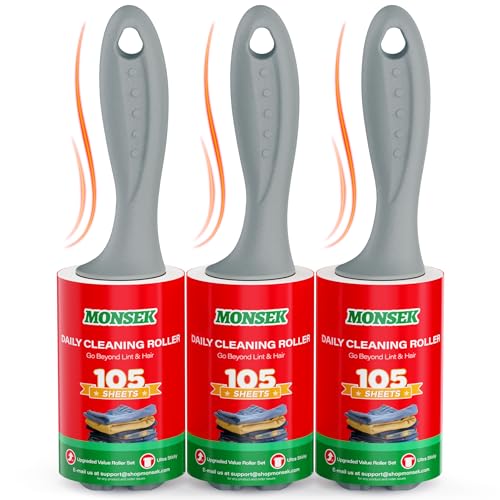
If a vacuum isn’t available, a lint roller serves as an effective alternative for picking up lightweight debris. Gently roll it over the surface, paying attention to seams and corners where dirt tends to accumulate.
For more stubborn debris, a soft-bristled brush can loosen material clinging to the fibers. Move in short, gentle strokes to avoid damaging the texture.
Regular maintenance every week will help maintain a pristine appearance, as it prevents grime buildup that can be challenging to tackle later. Using these techniques will ensure that upholstered pieces remain inviting and fresh.
Choosing the Right Cleaning Solution for Stains
Selecting an appropriate cleaning agent is fundamental for treating unsightly marks on upholstery crafted from synthetic fibers. Assessing the type of stain is the first step in making an informed choice.
Identifying Stain Types
- Water-based Stains: These include beverages, food spills, and sweat. A mild soap solution mixed with water works effectively on these.
- Oil-based Stains: Grease, makeup, and certain sauces fall into this category. A solution containing rubbing alcohol or a specialized upholstery cleaner formulated for oil removal is suitable.
- Ink Stains: For ink or dye marks, try using isopropyl alcohol applied with a cotton ball. Test it in a discreet area to ensure no damage occurs.
Homemade vs. Commercial Cleaners
Both commercial products and DIY mixtures can yield excellent results:
- DIY Solutions: A mixture of white vinegar and water can effectively target odor and light stains. Combine equal parts, apply gently with a cloth, and blot.
- Commercial Cleaners: Products specifically designed for synthetic materials often come with detailed instructions. Ensure the label indicates compatibility with the fabric type.
Always conduct a patch test before applying any new cleaning solution to avoid discoloration or damage. This careful approach will help maintain the integrity and appearance of the textile surface.
Spot Cleaning Techniques for Fabric Damage
If a stain appears, acting quickly is key. Blotting with a clean cloth should be the first step, absorbing excess liquid without rubbing.
- For grease stains, sprinkle cornstarch onto the affected area and let it sit for about 15 minutes. Gently brush off the powder and repeat if necessary.
- Ink marks can be treated with isopropyl alcohol. Dampen a cotton ball and blot the stain, being careful not to spread it further.
- Food spills often require mild dish soap mixed with water. Apply this solution using a soft cloth, then blot dry with a clean towel.
- If a wax stain forms, place a paper towel over it and use a warm iron on low. The wax will transfer to the paper towel. Allow the area to cool before gently brushing away any residue.
Always test any solution on an inconspicuous spot prior to full application to prevent discoloration or damage.
After spot cleaning, allow the fabric to air dry completely to avoid moisture-related issues like mildew or odor.
Deep Cleaning Methods for Microfiber Upholstery
For thorough sanitation of fabric surfaces, a steam cleaner can be a powerful ally. Use it on a low setting, targeting crevices and seams where dirt accumulates. Ensure the upholstery is not too damp afterward to prevent mold growth.
An alternative involves using a mixture of white vinegar and water. Combine equal parts and apply lightly with a spray bottle, ensuring not to oversaturate. Allow it to sit for a few minutes before blotting dry with a clean cloth.
For a more extensive clean, consider mixing warm water with a few drops of dish soap. Apply this solution using a soft brush, scrubbing in circular motions. Rinse the brush frequently in clean water to avoid reapplying dirt.
Finally, to restore the fabric’s texture post-cleaning, utilize a soft-bristle brush to gently lift the fibers back into their original position once dry. This technique revitalizes the appearance and feel of the upholstery.
Drying and Restoring the Texture of Microfiber
After cleaning, ensuring textiles dry properly is vital. Use a fan or open windows to enhance air circulation, expediting evaporation. Avoid direct sunlight to prevent fading.
Restoration Techniques
Once the material dries, gently brush the surface with a soft-bristled brush. This technique helps lift the fibers, restoring their original appearance. For stubborn areas, lightly rub with a clean microfiber cloth in a circular motion, promoting texture maintenance.
Additional Tips
Keeping upholstery in optimal condition involves occasional vacuuming. This practice removes dirt and maintains fiber structure. Allocating time regularly for this simple upkeep prolongs the lifespan and beauty of the material.
Should the fibers remain flat after drying, lightly mist them with water and fluff with fingers. This method revives the plush feel while preparing for everyday use.
Maintaining Microfiber Furniture for Longevity
Regularly brushing the surface with a soft-bristle brush keeps the fibers upright and prevents them from flattening. For optimal results, I do this weekly to maintain the fresh look. In between deeper cleans, I use a lint roller to remove dust and pet hair effectively.
Avoid placing items with high temperatures directly onto the fabric, as this can lead to damage. Using coasters and placing fabric pads under hot items helps protect the upholstery. In addition, rotating cushions and seat covers periodically ensures uniform wear.
If exposure to direct sunlight is unavoidable, consider using window treatments or UV-protective sprays. This minimizes fading and deterioration of the fabric over time. Maintaining optimal humidity levels in the room contributes to the longevity of the material; I use a humidifier during dry seasons.
Spot-test any new cleaning products on a hidden area before applying widely. Following the manufacturer’s care instructions is crucial for ensuring longevity. Additionally, seeking the services of a professional cleaner every couple of years can help maintain the overall appearance and condition.
Regular maintenance is key. Scheduling periodic checks for stains or damage allows for prompt attention, preventing more significant issues later. Keeping a dedicated cleaning kit nearby makes addressing spills and accidents swift and straightforward.
FAQ:
What is the best method for cleaning microfiber furniture?
The best method to clean microfiber furniture involves using a soft brush or a vacuum with an upholstery attachment to remove dust and debris. For deeper stains, a mixture of water and a small amount of mild dish soap can be applied with a cloth. Make sure to dampen the cloth rather than soaking it, and gently rub the stain until it lifts. Afterwards, use a clean, damp cloth to remove any soap residue and let the furniture air dry.
Can I use vinegar to clean microfiber furniture?
Yes, vinegar can be used to clean microfiber furniture but it should be done carefully. Mix equal parts of water and white vinegar in a spray bottle. Lightly spray the solution onto a microfiber cloth, not directly onto the furniture, and then gently wipe the affected areas. After cleaning, it’s helpful to brush the fabric with a soft brush to restore its texture. Make sure to spot test in an inconspicuous area to ensure no discoloration occurs.
Are there any products I should avoid when cleaning microfiber furniture?
Yes, avoid using harsh chemicals or bleach-based cleaners as they can damage the microfiber fabric. Also, products containing oil can leave a residue that attracts more dirt and dust. It’s best to use mild, water-based cleaning solutions or those specifically designed for microfiber upholstery. Always check the manufacturer’s guidelines for any additional recommendations or restrictions on cleaning products.
How often should I clean my microfiber furniture?
Cleaning frequency for microfiber furniture depends on usage and the environment. Generally, it is a good idea to vacuum or brush off dust and crumbs weekly. For deeper cleaning, aim for every 3 to 6 months, but this can vary if you have pets or small children. If you notice stains or spills, clean them up promptly to prevent them from setting in. Regular maintenance helps prolong the lifespan and appearance of the furniture.


