
 Caleb Turner
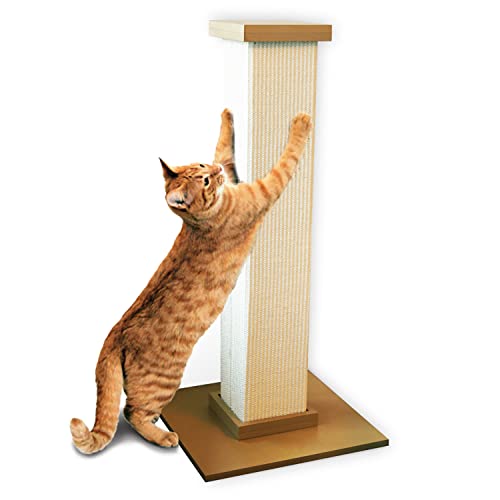
I recommend investing in a high-quality scratching post as a primary solution. Unlike basic options, these are designed to cater to your pet’s natural instincts, offering both texture and stability. Look for one made from durable materials such as sisal or corrugated cardboard, and position it in a prominent spot where they spend most of their time.
Another approach is to utilize deterrents. Sprays specifically formulated to discourage unwanted behavior can be applied to surfaces at risk. Ensure they are safe for pets, and reapply them regularly to maintain effectiveness. In parallel, consider using double-sided tape on areas that often attract interest; the sticky texture is unappealing, steering attention elsewhere.


Redirecting your furry friend’s habits is equally crucial. Engage them in play with interactive toys that mimic prey, allowing for an outlet for their energy. When they scratch the designated post instead of your belongings, reward them with treats or affection to reinforce this behavior. Consistency in this training makes a significant difference.
Protective covers can also be useful for pieces you want to safeguard. These should be made from materials that are resistant to wear and tear while being easy to remove and wash. Consider options that blend with your decor to maintain aesthetic appeal while fulfilling their purpose of defense.
Combining these strategies not only safeguards your belongings but also enriches your pet’s environment. By facilitating positive behavior and providing suitable alternatives, you’ll create harmony in your living space.
Strategies for Preventing Damage to Your Home
Invest in scratching posts made of varied materials. Sisal and cardboard are often favored, as they mimic natural textures your pet loves. Place them in high-traffic areas where your furry friend spends time.
Utilize Deterrents
Incorporate pet-safe sprays designed to deter unwanted behavior. These products emit scents that can discourage interaction with your belongings. Regular application reinforces the notion that your possessions are off-limits.
Provide Engaging Alternatives
Introduce interactive toys that stimulate mental and physical activity. Engaging your companion with stimulating playtime reduces boredom, creating less temptation to target your items. Rotate toys periodically to maintain interest.
Train Consistently by redirecting attention during moments of exploration. Use treats or affections to reinforce desired actions. Consistency in this approach ensures learning occurs effectively over time.
Lastly, consider furniture covers or throws for added protection. These can shield surfaces while also being easy to remove and clean, preserving your decor and minimizing damage.
Understanding Your Feline’s Clawing Behavior
Recognizing that these actions are instinctual is fundamental. Cats claw primarily to maintain their claws, help reduce stress, and establish territory. I have observed that vigorous pawing helps them shed old claw sheaths, keeping their claws healthy and functional.
Another aspect is territory marking. Cats have scent glands in their paws, and by scratching, they deposit their scent on surfaces, claiming those areas as their own. Understanding this can shift my perspective on the behavior; it’s less about destruction and more about communication.
Physical fitness also plays a role. Venting energy through clawing can help alleviate boredom or anxiety. I find that a lack of stimulation may lead to excessive attention on my possessions. Providing multiple play opportunities can redirect this energy positively.
To redirect this natural behavior effectively, I ensure that suitable alternatives, such as scratch posts or pads, are readily available. Placing them in strategic locations encourages my pet to use them instead of my belongings.
Observing my pet’s preferences reveals their favorite textures or angles, which aids in choosing the right scratching options. Encouragement through positive reinforcement when using designated items enhances this redirecting process.
Choosing the Right Scratching Posts
Opt for vertical and horizontal options; variety keeps it interesting. Look for materials like sisal or corrugated cardboard that offer a satisfying texture. Ensure stability; a wobbly post can deter use. A height of at least 32 inches is advisable for larger breeds. Position them near your pet’s favorite resting spots or close to desired areas for scratching. Experiment with different shapes and sizes to see what appeals most.
Consider multi-level structures that provide climbing and scratching opportunities. If space is limited, wall-mounted alternatives are a great choice. Additionally, scented or attractant-infused posts may draw attention. Regularly rotate placement to maintain interest and prevent monotony.
Monitor usage with a keen eye; adjust choices if certain designs go ignored. Replace worn-out posts to keep scratching enticing. Investing in diverse options maximizes the chance of satisfying natural instincts, redirecting attention away from prized items in your home.
Training Your Pet to Use Scratching Alternatives
Introduce a designated scratching post or pad by placing it in areas your furry friend frequents. Consider the height and texture, as preferences vary among different pets. Encourage interest by using treats or toys, creating positive associations with these alternatives.
Reinforcing Positive Behavior
Utilize rewards when the animal uses the scratching substitute. Offer praise, treats, or playful interactions immediately after they scratch the correct surface. Consistent reinforcement enhances their desire to choose the right option.
Redirecting Scratching Habits
In moments when you observe behavior aimed at your belongings, gently redirect them to their scratching alternatives. Use a calm voice to guide them away and direct their attention towards the designated post or pad. Patience during this process is important, as habits take time to adjust.
| Approach | Details |
|---|---|
| Placement | Position alternatives near favorite resting spots. |
| Rewards | Consistently use treats or playtime to encourage use. |
| Redirecting | Calmly divert attention back to the post during inappropriate scratching. |
| Texture Variety | Experiment with different surfaces, such as sisal or cardboard, to find a preferred one. |
Applying Furniture Protectors and Deterrents
Utilize adhesive strips specifically designed to deter clawing. I place these on vulnerable surfaces, which discourages unwanted behavior due to their sticky texture. Cats often dislike the feeling under their paws, prompting them to seek alternative surfaces.
Consider applying protective covers made of thick fabric or vinyl. I found that slipcovers specifically marketed as pet-proof provide an effective barrier against sharp nails. These can be easily removed for cleaning while safeguarding against damage.
Incorporate citrus-scented sprays as a natural deterrent. Many felines are repelled by citrus aromas. I spritz targeted areas regularly, greatly reducing interest in attacking these spots.
Another option involves using a motion-activated deterrent device. These gadgets emit a harmless burst of air or sound when they detect movement, startling pets and discouraging them from approaching.
Finally, getting a textured rug can be beneficial. Choosing a rug that feels uncomfortable under claws can redirect activities while providing a designated area that feels acceptable for them to interact with.
Maintaining a Proper Environment for Your Feline Companion
Establish dedicated spaces with appropriate surfaces for your pet’s activities. Select soft carpets or mats that can withstand wear and provide comfort. This encourages habitual use of these areas instead of your treasured possessions.
Incorporating vertical structures like cat trees satisfies the innate desire for climbing and surveying territory, diverting attention from household items. These structures should be easily accessible and placed strategically near windows or busy areas, providing stimulation.
Regularly rotate toys and entertainment options, as novelty can keep interest piqued. Utilize interactive toys that require physical engagement; this not only occupies their time but also promotes exercise, reducing anxiety-driven behaviors.
Create a tranquil atmosphere with cozy hideaways where your pet can retreat. Providing a private space helps alleviate stress, potentially reducing unwanted habits. Ensure these areas are stocked with soft bedding and familiar scents for reassurance.
Consistent cleaning of living spaces also plays a crucial role. Remove lingering scents from past behaviors, as these can trigger repeat actions. Use enzymatic cleaners to thoroughly eradicate any traces that may entice regression into old habits.
Monitor environmental factors such as noise levels and activity, adjusting as needed to suit your companion’s temperament. A calm home supports better behavior and ultimately fosters a more harmonious coexistence.
Regular Nail Trimming and Care Techniques
Trim nails every 2-4 weeks to maintain a manageable length. Use a specialized pet nail clipper for precision and safety.
Steps for Safe Trimming
- Familiarize the animal with the clipper. Allow sniffing and playing with it to reduce anxiety.
- Hold the paw gently and press on the pad to extend the nail.
- Clip just the tip, avoiding the quick–the pink area within the nail that contains blood vessels.
- Reward with a treat to create a positive association post-trim.
Nail Care Options
- Regular scratching on appropriate surfaces naturally wears down claws.
- Introduce nail caps as an alternative. These cover the tips and prevent damage during play.
- Consider a pet-safe file for smoothing rough edges after trimming.
FAQ:
What are some effective ways to prevent my cat from scratching the furniture?
There are several strategies you can try. First, provide your cat with a scratching post made of materials they enjoy, like sisal or cardboard. Position it near the furniture they usually scratch. You can also use catnip to attract them to the post. Additionally, consider using furniture protectors like slipcovers or special sprays designed to deter cats from scratching. Regular nail trimming can help reduce damage, and rewarding your cat for using the scratching post will encourage the behavior.
Why does my cat scratch furniture, and how can I address this behavior?
Cats scratch furniture for a variety of reasons, including marking territory, stretching their bodies, and maintaining their claws. To address this behavior, first ensure your cat has appropriate outlets for scratching, such as designated scratching posts or pads. You can also make the furniture less appealing to scratch by using deterrents like double-sided tape or commercial sprays. It’s essential to understand that scratching is a natural behavior, so providing alternatives is key.
Are there specific types of scratching posts that work best for cats?
Yes, different cats may prefer different types of scratching posts. Generally, tall and sturdy posts are more appealing since cats like to stretch up while scratching. Some cats prefer horizontal surfaces, while others like vertical ones. Materials play a role too—many cats enjoy sisal-wrapped posts or cardboard scratchers. You may need to experiment with a few options to find out what your cat prefers. Positioning the post near their favorite lounging spot can also help.
Can I train my cat to stop scratching the furniture?
Training a cat to change its scratching habits is possible, but it requires patience. Use positive reinforcement by praising and rewarding your cat when they use the scratching post instead of the furniture. You can also gently redirect them to the scratching post when you catch them scratching the furniture. Consistency is important; make sure to provide ample opportunities for them to scratch in appropriate areas. Over time, with patience and encouragement, many cats can learn to modify their behavior.
What are some DIY solutions to deter my cat from scratching furniture?
There are various DIY methods you can try. One option is to apply double-sided tape to the areas of furniture they tend to scratch; cats dislike the sticky texture. Another idea is to create a homemade citrus spray using water and citrus juice, as many cats are repelled by citrus scents. You can also cover the furniture with a blanket or fabric that’s less inviting for scratching until they learn where to scratch. These solutions can discourage the behavior while providing your cat with acceptable scratching alternatives.


