Caleb Turner
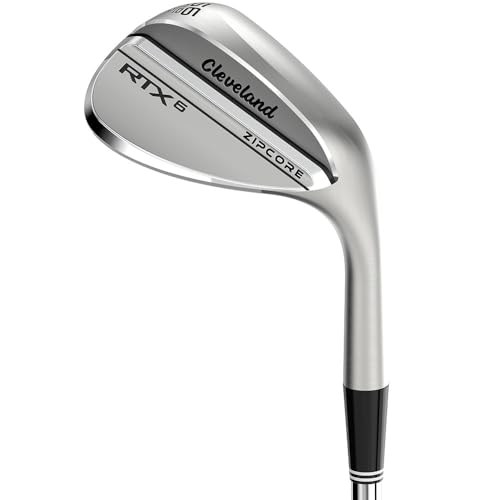
Choosing a club with 54 to 58 degrees of angle is optimal for effective shots from the sand. This range allows for a better approach to overcoming hazards while providing a good balance for short and delicate touches around the green.
In tandem with the angle, an attribute around 10 to 14 degrees of floor angle enhances control and smooth movement through the sand. Finding the right combination here drastically improves your ability to navigate tricky lies and execute high, soft landings on the putting surface.
Your personal comfort and playing style should significantly influence the final decision on these specifications. Testing different combinations can lead to a preference that enhances confidence and overall performance during your game.
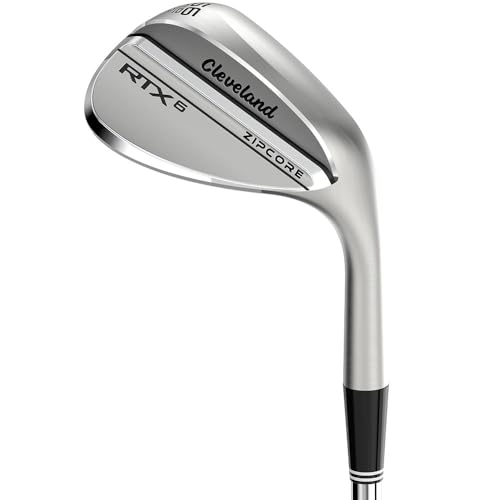


Loft and Bounce Selection for a Sand Club
For optimal performance with a sand club, I suggest choosing a loft between 54° and 58°. This range allows for effective elevation from various lies in the bunker and around the greens. Higher lofted options, like 60°, are suitable for skilled players seeking extra height on their shots.
The bounce angle, typically ranging from 10° to 14°, is equally crucial. A greater bounce helps prevent digging into soft sand, providing better glide through the surface. For softer conditions or fluffy bunkers, I recommend a higher bounce around 12° to 14°. Conversely, a lower bounce of 8° to 10° might be beneficial on firmer surfaces, enabling tighter lies.
Tailoring to Playing Style
Your specific playing style greatly influences your choice. If I prefer a more open face and delicate touch shots, a medium bounce may suit my needs best. However, if I struggle with making clean contact in the sand, a higher bounce gives me added forgiveness.
Course Conditions and Considerations
It’s essential to consider the typical course conditions when selecting specifications. In softer, softer bunkers, opting for a wedge with more loft and bounce supports versatility. Conversely, on hard ground or tightly maintained courses, reducing these angles can enhance control and precision in shots.
Understanding Loft in Sand Wedges
I recommend using a club with a 54° to 58° face angle for optimal performance in various short game situations. This range allows for effective high shots over obstacles while maintaining a reliable distance control. A 56° club is often considered the most versatile choice; it can handle both delicate chips and deeper greenside pitches effectively.
Choosing the Right Angle
Selecting the precise angle significantly impacts your approach around the green. A 58° option provides a steeper ascent, perfect for fluffy lies or bunker escapes, while a 54° provides a flatter angle, ideal for harder turf or lower trajectory shots. Personal comfort and swing style greatly influence this choice. I strongly suggest testing different options on the short game area to find what feels most natural.
Effect on Flight and Spin
The face angle determines how high and how much spin the ball generates after contact with the club. A steeper face can impart higher spin rates, enhancing control over stopping distances on the green. However, pairing this with the correct bounce will help prevent digging into soft turf. Experiment with ball positions and swings to see how each angle affects your overall performance.
Optimal Angle Settings for Varying Course Conditions
I recommend choosing a higher angle, around 58-60 degrees, for playing on soft, fluffy surfaces like well-maintained bunkers. This setting allows for better interaction with the sand, leading to efficient lifts and softer landings.
On firm, compact ground, a lower angle, such as 54-56 degrees, will work better. This configuration helps maintain distance and provides control over the roll-out after landing on harder surfaces.
In windy conditions, consider opting for a slightly lower angle to reduce the effects of the wind on the shot trajectory. A 54-degree model can aid in achieving a straighter flight path while compensating for gusts.
When the grass is thick and dense, a steeper angle, like 58 degrees, can help slice through the turf more effectively. This choice can facilitate a smoother entry into the ball and help with backspin.
During wet conditions, using a mid-range angle, around 56 degrees, can provide a balance. This setting promotes a blend of control and distance while minimizing the likelihood of skidding in soft grass or wet sand.
The type of challenges faced on the course greatly influences the ideal specifications. Always assess the terrain and adjust your choice to suit the specific needs of the moment.
The Role of Bounce in Sand Wedges
An ideal bounce angle for your short game is typically between 10 to 14 degrees. This figure allows for effective contact with the turf and provides versatility across different lie conditions. A lower bounce, around 8 to 10 degrees, suits firm ground, while a higher bounce in the 12 to 14-degree range excels in softer, fluffier sand or rough terrains.
Choosing the Right Bounce for Your Style
Your swing type significantly impacts ideal bounce selection. A steep, descending swing benefits from lower bounce, enabling better digging into the ball. Conversely, players who swing shallow or have a more sweeping motion will find higher bounce favorable, as it helps glide over the surface and prevents digging too deeply.
Common Bounce Options Explained
| Bounce Degree | Ideal Conditions | Recommended Swing Type |
|---|---|---|
| 8-10 degrees | Firm Ground | Steep Swing |
| 10-12 degrees | Mixed Conditions | Versatile Swing |
| 12-14 degrees | Soft Sand/Rough | Shallow Swing |
Ultimately, personal experimentation can refine your choice. Testing wedges across varied lies will enhance your understanding of how bounce interacts with your swing, leading to improved performance on the course.
Ideal Bounce Angles for Smooth Sand Shots
For optimal performance from a sand club, a bounce angle between 10° and 14° suits various conditions. This range helps facilitate smooth entry into the sand, promoting better interaction with the surface.
For softer, fluffy sand, I find a higher bounce around 12° to 14° particularly beneficial. This allows the club to glide rather than dig, improving shot consistency. In contrast, when facing firmer sand, a lower angle of about 10° to 12° provides more control and penetration, enabling effective contact.
Understanding the environment is key. If I’m confronted with a wet or packed bunker, leaning towards lower angles helps maintain stability. Conversely, deeper, softer sand demands a higher elevation to avoid getting stuck.
Experimenting with different angles can lead to better discovery of personal preferences. I suggest testing various setups and observing how each performs under diverse playing conditions, as this will enhance overall comfort and capability around the greens.
How Loft Affects Shot Trajectory and Control
Choosing the right angle on your clubface greatly influences the path of your shots. Higher angles typically result in a steeper ascent, allowing for more accurate landings on the green. Conversely, a lower angle promotes a flatter trajectory, increasing the distance traveled but risking overshooting your target.
Consider the following aspects:
- Distance Management: Higher angles help in stopping the ball quickly after landing, which is beneficial on well-manicured greens.
- Shot Precision: A tilted surface gives more control on approach shots, particularly when targeting narrow pins.
- Wind Resistance: Shots with lower angles are less affected by wind, making them reliable in gusty conditions.
Adjusting the angle can also enhance your play in various circumstances:
- On soft ground, use a higher setting to ensure optimal contact.
- On firm surfaces, a lower setting allows the ball to roll more after landing.
Experimenting with different club angles during practice rounds will reveal the best options for your particular style and the environmental conditions you face. Ultimately, mastering these aspects can dramatically elevate your short game performance.
Evaluating Bounce Options for Various Courses
For soft, fluffy surfaces, a higher angle for the sole is beneficial. Look for a model with around 10-14 degrees; this helps prevent digging and ensures smooth execution from the bunker or thick rough.
On firm, compact terrain, opt for a lower angle, typically between 4-8 degrees, which allows for better contact with the ground and reduces the chance of skidding. This configuration offers more control when playing tight lies or hard sand.
In wet conditions, a moderate angle of around 8-10 degrees strikes a balance, allowing for versatility. It prevents the club from becoming too grabby while also offering a stable performance on softer patches.
Consider the type of grass predominant on the course as well. For Bermudagrass, which is dense and resilient, a mid-range angle often performs best. Conversely, if the course has more fescue or fine grasses, a higher angle might be necessary to navigate effectively.
Learning to evaluate your circumstances will involve trial and tweaking your tools based on your experiences across different settings. Keeping track of your performance with various configurations can help refine what setup suits you best.
Recommendations Based on Skill Level and Swing Style
For beginners, a higher angle of elevation along with increased surface area underneath the club is advisable. This ensures that shots are launched with enough height to clear obstacles and land softly on greens. Opting for a model with 56 degrees of elevation and 12 degrees of surface slope typically works well.
For intermediate players, selecting a 54-degree club with a surface angle of around 10 degrees strikes a balance between versatility in various conditions and control. This setup allows for better manipulation of shot trajectories while still providing assistance in challenging lies.
Experienced golfers should consider using a lower elevation of around 52 degrees paired with a lower surface angle of 8 degrees. This combination offers greater precision and control, particularly beneficial for delicate shots around the green, as it enables a lower trajectory and more aggressive play.
Specific Considerations for Swing Styles
Players with a sweeping swing style can benefit from more pronounced surface angles, likely around 10 to 12 degrees, as this facilitates smoother interaction with the ground. Conversely, a more descending angle through impact would prefer a flatter surface, possibly in the range of 6 to 8 degrees, enabling cleaner strikes and better ball control.
Understanding personal preferences and course characteristics can further refine these suggestions. Adjusting equipment based on skill and swing mechanics leads to improved performance and enhanced confidence in play.
Common Mistakes in Choosing Loft and Bounce
Choosing the wrong angle for clubface tilt is a frequent misstep. Beginners often opt for higher angles, assuming they will enhance flight height, while advanced players may choose too low an angle, impacting landing control. It’s crucial to match the angle with your typical shot style and course conditions.
Another error involves disregarding ground interaction mechanics. Insufficient attention to the sole curvature can lead to difficulties in varying turf types. A wider sole may seem appealing but can cause problems in tighter lies. A balanced adjustment is needed based on your usual playing environments.
Ignoring Swing Characteristics
Understanding personal swing traits is essential. I notice that many players underestimate how their swing path influences performance with the chosen setup. For instance, a more upright swing pattern may benefit from increased angle on the leading edge, while a flatter swing might perform better with features designed for versatility.
Not Testing Options
Failing to experiment with different setups before purchasing can lead to the wrong decision. I recommend hitting several models with diverse angles and designs at a local store or during practice rounds. Personal feel often outweighs specifications in achieving successful outcomes during play.