Caleb Turner
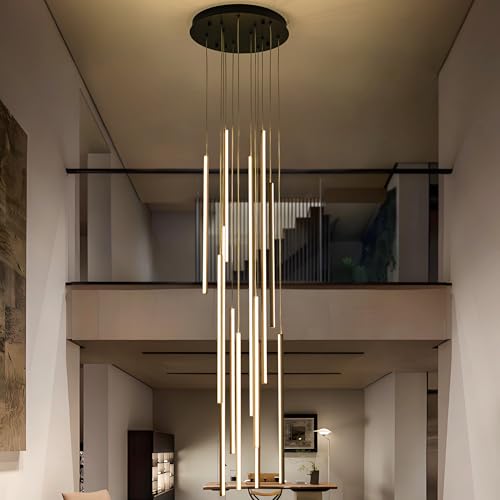
The spacious atmosphere created by high ceilings and expansive windows immediately captivates me. This architectural choice not only invites natural light to flood the interior but also enhances the sense of openness. A well-structured area allows for creative layouts that can accommodate various activities, making it a versatile setting ideal for both relaxation and productivity.
Attention to detail sets this aesthetic apart. The use of raw materials, such as exposed beams and brickwork, adds character and a sense of authenticity. These elements contrast beautifully with modern furnishings, creating an inviting blend of styles. Thoughtfully chosen accents further contribute to a warm and welcoming environment, perfect for hosting gatherings or enjoying solitary moments.
Another aspect I appreciate is the potential for personalization. The blank canvas encourages individual expression through art, decor, and greenery. Plants thrive in well-lit spaces, bringing a touch of nature indoors and enhancing the air quality. Such choices reflect personal taste while fostering a mood that aligns with one’s lifestyle.


Lastly, the community surrounding this type of environment often embodies a creative spirit. Engaging with neighbors who share similar interests can lead to enriching experiences and collaborations. This sense of belonging enhances the overall enjoyment of the space and cultivates meaningful connections within the neighborhood.
What I Appreciate in This Setting: Loft
To enhance the ambiance of a loft, I recommend incorporating layered lighting. Using a mix of pendant lights, floor lamps, and wall sconces can create a warm and inviting atmosphere. Choose fixtures that complement industrial design while adding a touch of personal flair.
Textiles play a significant role in achieving comfort in a loft space. I suggest using a variety of textures, such as soft throws, plush rugs, and decorative cushions, to create visual warmth against the often stark backdrop of brick and metal.
Bringing in greenery is another effective method for softening the aesthetic. Select easy-to-care-for plants like snake plants or pothos, which thrive in various lighting conditions and add a refreshing touch to the environment.
Creating designated zones can improve functionality within a loft. Using area rugs to delineate specific spaces, such as a reading nook or dining area, helps to establish a sense of order amidst an open layout.
| Element | Recommendation |
|---|---|
| Lighting | Layered lighting with various sources |
| Textiles | Diverse textures for comfort |
| Greenery | Low-maintenance indoor plants |
| Zones | Area rugs to define spaces |
Understanding the Concept of Loft Living
Research specific characteristics unique to this lifestyle. High ceilings and open spaces typically dominate this type of residence. I particularly enjoy the industrial aesthetic often found in such environments, which feature exposed brick, ductwork, and large windows that allow natural light to flood the space.
Focusing on the layout can enhance the overall experience. Consider versatile furniture arrangements that promote flow. A minimalistic approach often works best, allowing the architectural elements to take center stage without overwhelming the senses.
Incorporating greenery within the surroundings brings life to the environment. Indoor plants not only improve air quality but also create a tranquil atmosphere that balances the starkness of the industrial design.
Lighting plays a crucial role in transforming these environments. Using a mix of fixtures–such as pendant lights, floor lamps, and wall sconces–can create depth and warmth, making the area welcoming and comfortable.
Utilizing multifunctional furniture is another recommendation. Pieces that serve dual purposes can maximize space and enhance functionality, especially in larger areas that require effective space management.
Finally, personal touches in decor will define the space and reflect individuality. Collecting artwork, vintage items, or handmade pieces can create a unique character, making the place feel inviting and distinctly yours.
Key Features That Attract Me to Loft Spaces
One standout feature is the expansive open layout, which offers limitless potential for personalization. I appreciate how these environments allow me to design functional areas that suit my lifestyle, whether for relaxation, work, or entertainment.
The high ceilings create an atmosphere of airiness and freedom, making spaces feel larger and more inviting. Natural light pouring in through large windows enhances this feeling, providing ideal conditions for plants and artwork to flourish.
Architectural details like exposed beams and brick walls infuse character into every corner. These elements tell a story, giving the space a unique charm that mass-produced designs can’t replicate.
Location and Accessibility
Accessibility is another appealing aspect. Many of these residences are situated in redeveloped industrial areas, offering proximity to vibrant neighborhoods filled with culture, dining, and retail options.
Creative Potential
Moreover, I am drawn to the artistic vibe present in these living spaces. They often inspire creativity and innovation, encouraging me to explore new ideas and projects. The canvas of neutral colors serves as a backdrop for my personal style to shine through with furniture, decor, and artwork.
Ultimately, these residences provide a blend of style, practicality, and inspiration, making them a perfect fit for my urban living experience.
Enhancing Natural Light in Open Spaces
Utilizing large windows is a primary method to maximize sunlight in these versatile environments. I prefer designs featuring expansive glass panels that allow sunlight to pour in, creating an airy atmosphere. The integration of skylights further amplifies brightness, ensuring no corner is left dim.
Choosing lighter colors for walls and furnishings can significantly reflect light throughout the room. I often opt for soft whites or muted pastels, which transform the space into a sunlit retreat, enhancing the feeling of openness.
Incorporating mirrors strategically can amplify the light. Placing mirrors across from windows or near light sources creates the illusion of greater depth while bouncing natural light around. This simple addition has a profound impact on the overall ambiance.
Open floor plans contribute to fluidity in light distribution. The absence of obstructive walls permits seamless light movement across the area, making the environment feel larger and more welcoming. I gravitate towards layouts that promote this connection.
Adding greenery also plays a role. Plants not only purify the air but their placement near windows adds life to the design. I enjoy the contrast of lush greenery against the backdrop of bright spaces, fostering a harmonious balance.
Maximizing Space in a Loft: Practical Tips
To truly make the most of the available area, I suggest incorporating multi-functional furniture. A sofa bed or a table that extends can serve various purposes, reducing clutter while providing necessary amenities.
Vertical storage solutions are key. Installing shelves up to the ceiling not only draws the eye upward but also increases storage without occupying floor space. Decorative boxes or baskets can hide less appealing items while enhancing the aesthetic appeal.
Creating designated zones is another effective strategy. Use area rugs to define spaces for different activities, such as a work corner or a cozy reading nook. Partitioning with open shelving units can add privacy without making the setting feel closed off.
Lighting plays a significant role in space perception. I recommend using layered lighting–combining overhead fixtures, floor lamps, and accent lights can create depth and warmth, making the environment feel more expansive.
Mirrors are not just decorative items; they can visually double the space. Placing a large mirror strategically can reflect light and create an illusion of openness, enhancing the overall ambiance.
Lastly, decluttering is essential. Regularly evaluate items and remove those that no longer serve a purpose or bring joy. This practice not only frees up space but also promotes a more streamlined and peaceful atmosphere.
The Benefits of Open Floor Plans in Converted Spaces
Embracing an open layout can dramatically enhance the living experience in converted areas. One significant advantage is the seamless flow between areas, which fosters easier movement and interaction among residents and guests.
1. Enhanced Social Interaction
The absence of walls encourages communication and connectivity. It enables effortless conversations during gatherings, making the home feel more inviting and social.
2. Flexibility in Design
This layout allows for versatile furniture arrangements. I can reconfigure spaces according to my current needs–whether moving furniture for a party or creating a cozy reading nook without the constraints imposed by traditional walls.
3. Increased Perception of Space
Wide-open areas give the illusion of expansiveness. I find that this openness not only visually enlarges the interior but also contributes to a sense of freedom and creativity in how I personalize the space.
- Unobstructed sightlines create a more cohesive environment.
- The feeling of spaciousness is particularly beneficial in smaller dwellings.
- Natural light travels unhindered, illuminating all corners effectively.
4. Improved Functionality
Efficient use of space is another notable benefit. I can designate specific zones for various activities, such as cooking, dining, or relaxing, without the limitations typical of compartmentalized designs. This enhances everyday functionality.
- Cooking and dining become part of a single continuum, making meal preparation more enjoyable.
- Entertainment and relaxation areas blend seamlessly, allowing for spontaneous social interactions.
In summary, opting for an open design in converted spaces leads to enhanced social interactions, flexibility, a feeling of greater space, and improved functionality–all essential elements for a well-loved home environment.
Creating a Cozy Atmosphere in Open Spaces
Incorporating warm colors is crucial. Opt for earthy tones like terracotta or muted greens to create a sense of warmth. Pair these with textured elements such as knitted throws or woven baskets for added comfort.
Strategic Lighting Choices
Utilize a mix of ambient and task lighting. Floor lamps with soft bulbs and pendant lights can provide a welcoming glow, while fairy lights can add a touch of whimsy. Consider dimmer switches to easily adjust brightness according to mood or occasion.
Furniture Arrangement for Intimacy
- Group seating to promote conversation.
- Use a large rug to define the living area.
- Position furniture away from walls to create a more inviting layout.
Incorporating plants also enhances air quality and adds life. Choose low-maintenance varieties like snake plants or pothos for easy care. Decorative planters can further heighten the aesthetic while making the environment feel homely.
Layering artwork and personal items on shelves or walls can add character. Use a mix of frames and sizes to create an engaging gallery that reflects personal interests. This helps to create a narrative that draws people in.
Incorporate areas designated for relaxation with cozy nooks furnished with cushions and soft blankets, inviting people to unwind. A small reading corner or window seat can instantly make the space feel like a retreat.
Lastly, consider scent. Introduce candles or diffusers with calming fragrances such as lavender or vanilla. The right scent can significantly influence the ambiance and create a more inviting space.
Incorporating Personal Style into Loft Décor
Choose a color palette that resonates with your personality; for instance, bold hues can create an energizing space while muted tones offer tranquility. Layer these colors through accents such as pillows, rugs, or artwork that reflect your unique tastes.
Consider incorporating statement furniture pieces that showcase individuality. A vintage chair or an artisanal table can serve as focal points, inviting conversation and interest. Make effective use of textiles; mix patterns and textures to enhance coziness and warmth, transforming an open area into an inviting home.
Art displays can profoundly influence ambiance. Create a gallery wall using personal artwork, photographs, or curated pieces from local artists to narrate your story visually. Even a single large canvas can command attention and define a space.
Utilize plants to breathe life into interiors. Selecting greenery that aligns with your style–whether minimalistic succulents or lush ferns–adds a natural touch and purifies the air. Group plants in various heights to create dynamic visual interest.
The lighting setup plays a crucial role. Opt for versatile fixtures, like a stylish floor lamp or unique pendant lights, to shape the mood. Dimming options can further enhance versatility, allowing easy adjustments from bright task lighting to soft ambient glows.
Incorporating personal artifacts strengthens the narrative of your space. Display travel souvenirs or cherished books to reflect interests and invoke memories, creating a personalized environment that feels uniquely yours.
| Element | Recommendation |
|---|---|
| Color Palette | Bold hues for energy, muted tones for tranquility |
| Furniture | Statement pieces that reflect individuality |
| Textiles | Mix patterns and textures for warmth |
| Art Displays | Curate a personal gallery for storytelling |
| Plants | Select greenery that aligns with style and aesthetics |
| Lighting | Use versatile fixtures with dimming options |
| Personal Artifacts | Display items that invoke memories |
Choosing the Right Furniture for Your Urban Space
Opt for multifunctional pieces that serve more than one purpose. For instance, a stylish sofa bed allows transformation of the living area into a guest room without compromising aesthetics.
Consider lightweight furniture that can be easily rearranged. This flexibility accommodates gatherings and creates an inviting atmosphere. Folding tables and stackable chairs can be great choices for maximizing available space.
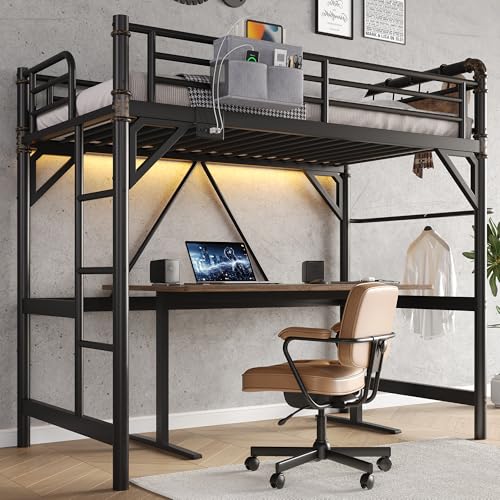
Select furniture with an industrial or minimalist design to complement high ceilings and open spaces. Metal frames or reclaimed wood not only enhance the character of the area but also maintain a cohesive look.
Incorporate vertical storage solutions. Shelves that extend to the ceiling free up floor space while showcasing books and decor. Wall-mounted units can provide extra storage without feeling bulky.
Emphasize comfort. Plush seating options with inviting fabric increases warmth, making the environment feel lived-in and welcoming. Choosing softer tones can help soften the starkness of hard surfaces.
Personal touches matter. Include accent pieces that resonate with your personality, like unique side tables or decorative cushions. These details infuse character and charm.
Maximize natural light by choosing light-colored furniture. Pale hues bounce light around the space, making areas feel larger and brighter.
Prioritize quality when selecting key pieces. Investing in a durable dining table or ergonomic chair pays off in the long run. Opt for items that blend functionality with style to ensure longevity.
Exploring the Community Aspect of Loft Living
Engagement with neighbors enhances the experience of residing in an open space. Building connections is straightforward, especially in communal areas like shared rooftops or art studios that foster interaction. Regular social gatherings help cultivate relationships, making each resident feel more integrated.
Community Activities to Consider
- Organizing monthly potluck dinners to share culinary skills and recipes.
- Creating interest-based clubs, such as book or movie nights, allowing for deeper connections.
- Implementing seasonal events, like summer barbecues, to celebrate the community spirit.
Benefits of a Supportive Network
A strong community network can lead to collaborations, whether for artistic endeavors or joint projects. Residents often share resources, helping each other with home improvement or maintenance tasks. This supportive atmosphere not only enhances individual living conditions but also contributes to a more vibrant and cohesive environment.
Encouraging neighborly interactions through shared interests transforms an ordinary living situation into an enriching communal experience. By prioritizing community building, the benefits ripple through everyone’s daily life, making the space truly feel like home.