
 Caleb Turner
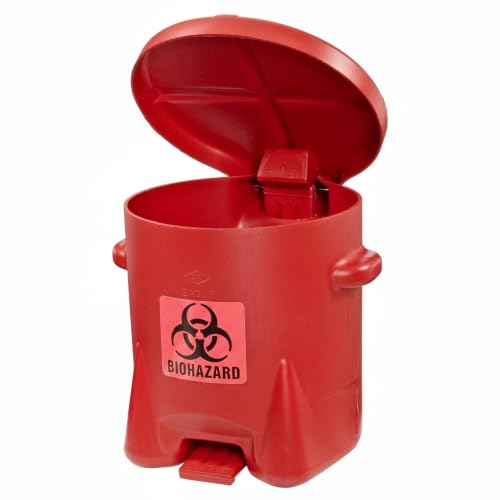
In my experience, the classification of insulation material removed from attics as hazardous is often a misconception. Many homeowners may be concerned about potential dangers associated with these substances, particularly if they are older. However, the materials themselves determine the level of risk. Common types, like fiberglass and mineral wool, generally do not fall under the hazardous category.
It’s essential to evaluate the specific type of material before disposal. For instance, if the substance contains asbestos, it is crucial to follow strict local regulations and guidelines for safe handling and removal. I recommend contacting local waste management authorities for advice tailored to your situation, as regulations can vary significantly by location.
To ensure safety during the removal process, I suggest wearing appropriate personal protective equipment (PPE), such as gloves and masks, particularly if you suspect the presence of harmful materials. Proper disposal methods are equally important; many regions provide designated facilities for specific waste types. Always adhere to local laws to avoid legal complications and to protect the environment.
Is Loft Insulation Hazardous Waste
When replacing any thermal barrier material, it’s essential to determine its classification. If I encounter materials containing fiberglass or mineral wool, I know these do not fall under harmful material regulations; however, specific products may need special handling based on local guidelines.
If the barrier was treated with certain chemicals or contains elements like asbestos, then my approach definitely changes. I would immediately consult with waste management authorities to check the proper disposal methods. It’s critical to always wear protective gear, such as gloves and masks, to mitigate any exposure risks while handling these materials.


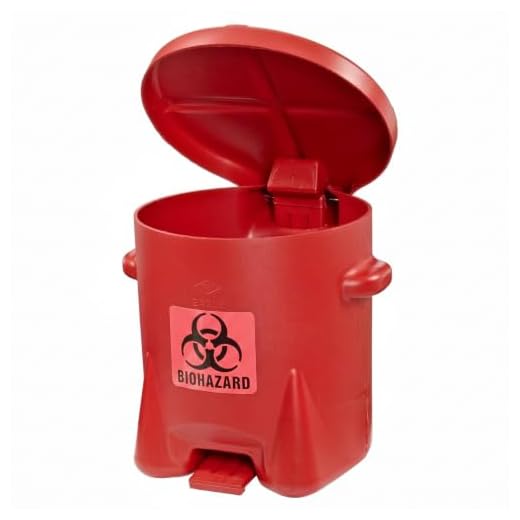
Local regulations often provide clear distinctions. I ensure to verify if the old material requires adherence to specific disposal protocols. If in doubt, contacting environmental services can offer guidance tailored to my situation.
Should I find debris or contaminants during the removal process, I must be prepared to isolate those substances and conduct tests, if necessary. Keeping records of materials and their origins helps establish the safest path to disposal.
Lastly, engaging with professionals experienced in this area can streamline the process and ensure compliance with environmental standards. It’s wise to prioritize safety and legality over convenience when dealing with insulation materials.
Identifying Materials in Loft Insulation
To determine the components of the material in question, I recommend conducting a visual examination. Look for signs of fiberglass, mineral wool, cellulose, or foam boards. Fiberglass typically appears as fine strands, while mineral wool has a more felt-like texture. Cellulose often consists of recycled paper and may feel soft and fluffy.
Testing Techniques
In case of uncertainty, I suggest using a sample testing method. Take a small piece of the material and send it to a laboratory for analysis. Professionals can identify harmful substances such as asbestos or formaldehyde. This step is critical for understanding any potential health risks.
Safety Precautions
While handling unknown materials, I always use personal protective equipment, including gloves, masks, and safety goggles. This minimizes exposure to potential contaminants. Additionally, ensure the area is well-ventilated during examination or removal.
Assessing the Safety of Common Insulation Types
I recommend thoroughly examining the most commonly used materials for their safety profiles. Fiberglass, widely employed due to its cost-effectiveness, poses minimal health risks when undisturbed, but can release fine particles that may irritate skin, eyes, and lungs if handled improperly.
Cellulose, made from recycled paper products, is treated with fire retardants and is generally safe. However, verifying the specific additives used is crucial, as some may introduce unwanted chemicals. Additionally, ensure it is free from signs of mold or infestation.
Mineral wool is another option favored for its fire resistance and soundproofing capabilities. Handling it can result in skin irritation similar to fiberglass, so protective gear is advisable during installation or maintenance.
Loose-fill materials, such as expanded polystyrene and polyurethane foam, offer excellent thermal properties. Still, it’s essential to assess their environmental impact during disposal and insulation performance over time. Choose those with low VOC emissions to mitigate indoor air quality issues.
Conducting a thorough assessment includes checking for potential asbestos in older installations. If identified, professional removal is necessary to ensure safety. Understanding the composition of your insulating materials allows for informed decisions regarding installation, maintenance, and replacement.
Legal Regulations on Disposal of Loft Insulation
I recommend reviewing the specific guidelines set forth by local environmental authorities before disposing of any insulating materials. Each region has distinct regulations regarding the removal, transport, and disposal of these substances to ensure safety and compliance with environmental laws.
The disposal process typically falls under waste management legislation. It’s crucial to classify the materials correctly, as this classification dictates the disposal method. In many jurisdictions, materials such as those containing fiberglass or wood fiber may be subject to stringent disposal rules.
| Material Type | Disposal Method | Compliance Requirements |
|---|---|---|
| Fiberglass | Landfill (specialized) | Must be sealed and tagged |
| PIR Board | Incineration (in specific facilities) | Pre-approval for disposal locations |
| Cellulose | Recycler (if uncontaminated) | Documentation of origin and content |
| Mineral Wool | Landfill | Must follow local guidelines |
Before I dispose of these materials, obtaining guidance from professionals is advisable. This includes contracting certified waste disposal companies who are familiar with municipal regulations. They can provide necessary documentation and help mitigate legal risks associated with improper disposal.
I also encourage keeping updated on regulations, as legal requirements can change based on new environmental policies. Regularly consulting with local waste management authorities ensures I have the latest information on acceptable disposal practices.
Classifying Hazardous vs. Non-Hazardous Waste
I classify materials based on their physical and chemical properties, influence on health and environment, and regulatory guidelines. This helps determine whether materials require special handling or disposal methods.
First, I assess the composition. If a material contains harmful substances like asbestos or certain chemicals, it may be considered dangerous. On the other hand, materials like cellulose or mineral wool, depending on their treatment and additives, are often deemed safe.
Next, I analyze the potential for harm. Materials that pose risks during handling, installation, or degradation often fall into the category of restricted materials. This includes those that release toxic fumes or particles when disturbed.
I also refer to existing regulations specific to different types of materials. Organizations often define strict criteria for classification, helping ensure that disposal practices align with local and national guidelines.
Lastly, I keep abreast of research updates. New findings may lead to a shift in classification as more information about material safety becomes available. Regular checks on regulatory frameworks are essential for staying compliant.
Based on these criteria, I can accurately determine the classification, ensuring safe handling and compliance with relevant regulations.
Best Practices for Removing Loft Insulation
Begin by assessing the area thoroughly for any signs of contamination or deterioration. Use protective gear such as gloves, masks, and goggles throughout the process.
Preparation
- Ensure proper ventilation in the workspace. Open windows and use fans if necessary.
- Gather tools: utility knife, vacuum designed for loose materials, and dust sheets.
- Have appropriate disposal bags ready to contain the removed material.
Removal Process
- Carefully cut through the material with a utility knife, creating manageable sections.
- Use a vacuum to collect loose particles as you work to minimize dust.
- Seal removed sections in bags to prevent spillage during handling.
- Before leaving the area, thoroughly clean up any residual particles.
Following the removal, promptly consult local regulations for disposal guidelines to ensure compliance.
Safe Disposal Options for Hazardous Insulation
I recommend contacting local environmental agencies to identify suitable disposal services available in your area. Many municipalities offer specialized programs for the safe management of materials deemed unsafe for regular waste collection.
If dealing with extensive amounts, I suggest working with licensed waste management companies that specialize in transferring toxic materials, ensuring compliance with local regulations. These professionals can provide proper containment and transport, minimizing risks to health and the environment.
For small quantities, consider utilizing local recycling centers that accept specific insulation types. Some facilities accept biodegradable insulation options or can guide on alternative recycling paths.
Another option is to check for any household hazardous waste collection events. These events provide an opportunity to safely dispose of dangerous materials and often have no associated costs.
It’s crucial to avoid discarding potentially harmful materials in standard bins, as improper disposal can lead to severe environmental contamination and legal repercussions. Adhering to guidelines protects both my community and myself from possible exposure to harmful substances.
Before disposal, I always ensure to check the manufacturer’s guidelines related to the material, since certain products may have specific disposal instructions that should be followed. This helps streamline the process and ensures safety standards are met.
Impact of Improper Disposal on Health and Environment
Improper disposal of thermal barriers can lead to severe health risks and environmental hazards. By neglecting correct disposal methods, we increase exposure to toxic substances and pollutants, directly affecting both public health and ecological integrity.
Health Risks
- Respiratory Issues: Particulate matter from mismanaged materials can become airborne, leading to respiratory illnesses and aggravating asthma.
- Chemical Exposure: Many materials contain harmful chemicals such as formaldehyde or asbestos, which can cause chronic health conditions, including cancer.
- Allergic Reactions: Mold and contaminants may proliferate in improperly disposed materials, triggering allergies or skin irritations.
Environmental Consequences
- Soil Contamination: Toxic substances can leach into the ground, contaminating soil and affecting plant and animal life.
- Water Pollution: Improperly discarded materials can enter waterways, leading to pollution that endangers aquatic ecosystems.
- Air Quality Deterioration: Emissions from burning waste can significantly diminish air quality, contributing to climate change and posing a risk to all living organisms.
To mitigate these hazards, it is crucial to follow local regulations and utilize designated disposal facilities that handle problematic materials appropriately. Adopting responsible practices will safeguard public health and preserve environmental quality.


