Caleb Turner

For optimal storage of dry fodder, ensure proper airflow by incorporating ventilation. I recommend placing vents near the eaves, allowing moisture to escape and preventing mold growth. This simple adjustment aids in maintaining the quality of the stored material.
In addition, organizing the storage area enhances accessibility. Create designated sections for different types of feed or materials, utilizing pallets to elevate stacks off the floor. This method also facilitates cleaning and minimizes pest infestations.


Regular monitoring is key. Schedule inspections every few weeks to check for signs of spoilage or pest activity. By addressing issues promptly, I can extend the lifespan of my supplies and keep them in excellent condition.
Lastly, consider utilizing a pulley system for efficient lifting and lowering of heavy bales. This technique not only saves time but also reduces the risk of injury from heavy lifting.
Optimal Strategies for Managing a Storage Area
For efficient organization, I recommend dividing the space into sections based on usage. Creating designated areas for various supplies helps in easily locating items when needed. Labeling each section with clear signs simplifies the process and ensures quick access during busy times.
Regular Maintenance and Inspection
Conduct routine checks to ensure stability and safety. I keep an eye out for signs of pests or moisture, both of which can significantly damage stored materials. Addressing minor issues promptly avoids costly repairs or loss of supplies in the long run.
Maximizing Space Efficiency
Utilizing vertical space can greatly increase storage capacity. I stack bales or boxes strategically, ensuring they are secure and accessible. Also, employing shelving units allows for better organization while keeping frequently used items at eye level. Using clear containers for smaller items prevents clutter and makes inventory management straightforward.
Assessing the Structural Integrity of Your Hay Loft
Regularly inspect all supporting beams and joists for signs of rot, cracks, or warping. Pay close attention to areas exposed to moisture.
I always check for pest infestations, especially termites, as they can compromise the structural components. Signs include small holes in wood or frass, which resembles sawdust.
Evaluate the load capacity by calculating the weight of stored materials. Ensure that it does not exceed the maximum load specified in the building’s design, typically indicated in construction documents.
Ensure proper ventilation to prevent moisture buildup, which can weaken the framework over time. Look for adequate airflow and consider installing vents if they are lacking.
Examine the condition of the access points, like ladders and trapdoors. They should be sturdy and accessible without risks of falling or causing injury.
Consider consulting a structural engineer if there are any doubts about safety or stability. A professional assessment can provide peace of mind and necessary recommendations.
Lastly, perform routine maintenance, such as painting or sealing surfaces, to protect against weather-related wear and tear.
Choosing the Right Feed for Storage
Selecting the right material for storage significantly influences quality and longevity. I assess factors such as moisture content, type of grasses or legumes, and the stage of growth at harvest. Ideal feed has a moisture level below 15%, which prevents mold development.
Types of Forage
Timothy, alfalfa, and clover are popular options. Timothy offers good fiber and is suitable for horses, while alfalfa provides higher protein content, perfect for lactating animals. I tend to opt for mixes to balance nutrition effectively.
Storage Practices
During packing, I ensure a compact, uniform structure. Loose or unevenly packed feed can lead to air pockets and spoilage. Regularly check for signs of deterioration, such as discoloration or odor, and adapt storage conditions accordingly.
Organizing Hay Bales for Optimal Space Utilization
I recommend stacking bales in a staggered formation to maximize airflow and stability. Instead of aligning them in straight rows, offset each layer slightly to create a more solid structure. This technique helps prevent the bales from collapsing while making room for air circulation, reducing mold risks.
Group similar types of forage together, allowing for easier access and identification. Assign specific sections for different forage types based on their moisture content and nutritional value. Label each section clearly; this will save time and effort when retrieving bales.
Utilize vertical space effectively by employing shelving or pallets, elevating bales off the ground. This practice helps with air circulation and protects against moisture accumulation. Ensure any shelving is sturdy enough to support the weight of the bales.
Implement a rotational system for accessing bales. Store older bales at the front and newer ones at the back. This way, you will consistently use the oldest forage first, preventing spoilage and loss. Regularly check the condition of stored bales to address any issues promptly.
Finally, create aisles between stacks for easy movement and to facilitate inspections. These pathways can also aid in maneuvering machinery, making the process more streamlined and safer while working in the area.
Using Upper Storage for Livestock Feeding
Feeding livestock from elevated storage can enhance efficiency and maintain quality. Here’s an actionable approach:
Selecting Appropriate Bales
- Prioritize fresh and mold-free selections.
- Consider nutritional content based on the specific dietary needs of your animals.
- Rotate stock regularly to minimize waste and deterioration.
Feeding Techniques
To optimize feeding from this elevated space:
- Utilize a feeder system that allows easy access for the animals.
- Adjust quantity based on the size and consumption patterns of your herd.
- Monitor feeding times. Regularity aids in digestive health.
Managing distribution helps in tracking consumption and minimizing spillover. Ensure that tools and equipment are handy for efficient operations. Routine checks on feed quality directly impact livestock health, thus regular assessment is paramount.
Creating a Ventilation System in Your Hay Loft
To ensure optimal air circulation, install vents at both the eaves and peak of the structure. This setup promotes airflow and reduces moisture build-up.
Types of Ventilation Systems
I prefer a combination of natural and mechanical ventilation. Natural ventilation can be achieved through passive vents, while mechanical systems, like fans, can provide additional airflow if necessary.
| Vent Type | Advantages | Disadvantages |
|---|---|---|
| Passive Vents | Cost-effective and low maintenance | Depends on wind direction and temperature |
| Mechanical Fans | Consistent airflow | Higher energy costs and maintenance |
Installation Tips
Ensure all vents are unobstructed and positioned properly to avoid air stagnation. Regularly check for debris or obstructions around the openings. For expedited airflow, consider angling your fans to push air horizontally across the space.
With a well-planned system, moisture content and temperature levels can be maintained at healthy levels, promoting the longevity and quality of stored materials. Regular monitoring of airflow is key to ongoing effectiveness.
Maintaining Temperature and Humidity Levels
For optimal storage conditions, I monitor the temperature between 60°F and 80°F (15°C to 27°C) while ensuring that humidity stays below 15%. This range helps prevent mold growth and maintains quality.
Regular Monitoring
I utilize a reliable hygrometer and thermometer to consistently check these metrics. Placing them in various areas provides a comprehensive understanding of the internal environment. I check readings at different times of day since fluctuations may occur.
Implementing Insulation and Ventilation
Proper insulation does wonders in regulating temperatures. I ensure that walls and the ceiling are well-insulated, minimizing heat loss during colder months or excess heat during warmer months. Ventilation plays a crucial role as well; I create openings that allow for cross-ventilation while avoiding direct exposure to rain. This combination is key for airflow, allowing moisture to escape.
Sealing gaps or cracks in the structure prevents unwanted drafts, which contribute to temperature imbalances. My proactive maintenance approach aids in preserving the quality of my stored materials over time.
Implementing Pest Control Measures in Hay Loft
Inspect the area regularly for signs of pest activity, such as droppings or damaged bales. Immediate action minimizes potential infestations.
Seal cracks and gaps in walls and ceilings to prevent entry. Use materials like steel wool or caulk for effective sealing. Pay attention to doors and windows; installing screens can help keep unwanted guests out.
Utilize traps and baits strategically. Place them in corners and near suspected nesting areas. Opt for non-toxic options to avoid harm to livestock and the environment.
Maintain cleanliness by removing debris and leftover feed. This deters rodents and other insects from taking up residence. Regular cleaning routines should include sweeping and checking storage conditions.
Implement natural deterrents such as essential oils. Oils from peppermint or lavender can repel insects without harmful chemicals. Spraying diluted solutions around entry points can provide additional defense.
Consider introducing beneficial organisms like certain predatory beetles or nematodes that target specific pests. This biological control can reduce pest populations without chemicals.
Store bedding materials and feed in airtight containers to inhibit pests from accessing them. Regularly check these containers for signs of damage or infestation.
When selecting materials for storage, focus on those treated to deter insects and rodents. Ensure that all items are dry before storing to minimize spoilage and pest attraction.
Regularly monitor temperature and humidity levels, as fluctuations can create ideal conditions for pests. Maintaining stable, dry conditions reduces attractiveness to unwanted visitors.
Keep an organized storage system to limit clutter, making inspections easier and reducing potential hiding spots for pests. Frequent audits can also help identify problems early on.
Collaborate with a professional pest control service if infestations persist. Their expertise can tailor solutions specifically to the unique needs of your storage area.
Utilizing Hay Loft for Equipment Storage
I recommend using the upper space primarily for the storage of farm implements and tools. Ensure that all equipment is cleaned and dried before placement to prevent rust and deterioration. A designated area with shelves and hooks can help in organizing smaller items efficiently.
Maximizing Space
Implement vertical storage solutions, such as racks for hoses and hooks for hand tools. Place heavier machinery on lower shelves or near the entrance for ease of access. Utilize bins or containers labeled clearly to group similar items, reducing clutter.
Access and Safety
Install sturdy ladders for safe access, ensuring they’re securely anchored. Clear pathways to avoid tripping hazards. Regularly inspect the weight-bearing capabilities of the beams to support any stored equipment. Implementing a routine check will help maintain safety and order.
Converting Hay Loft into a Multi-Functional Space
I recommend transforming this area into a versatile zone that serves multiple purposes. Begin by identifying key functions you want to incorporate, such as storage, workshop space, or relaxation area.
Planning the Layout
- Determine the primary function – prioritize what is most important for your needs.
- Sketch a basic floor plan to visualize the arrangement of furniture or storage units.
- Include pathways for easy movement between different sections.
Storage Solutions
- Invest in shelving units that utilize vertical space, providing room for tools, supplies, or seasonal items.
- Consider modular storage options that can be reconfigured if needs change.
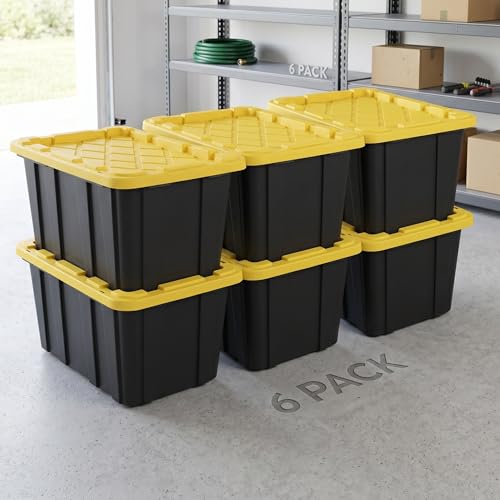
- Utilize bins and containers to keep smaller items organized and accessible.
Incorporating natural light can enhance the atmosphere significantly. Install windows or skylights, if possible, to brighten the surroundings. When setting up a workspace, ensure it is well-illuminated and ventilated to facilitate productivity.
Additionally, think about adding seating arrangements for social gatherings or quiet moments. A small lounge area with comfortable chairs can transform the space even further, inviting relaxation and creativity.
With careful planning and the right organization, this area can evolve into a dynamic environment that meets various demands efficiently.